

Nov . 24, 2025 15:09 Back to list
Understanding Light Hose: Applications, Benefits & Global Impact
The Growing Importance of Light Hose in Global Industries
When you say “light hose,” you might imagine a garden accessory or a simple tube for watering plants. But in reality, the concept of light hose stretches far beyond that—touching sectors from emergency relief to high-tech manufacturing around the globe. Understanding what makes a light hose special, and why it matters today, opens doors to innovations in efficiency, safety, and sustainability.
In an increasingly interconnected world with growing infrastructure demands and disaster response needs, light hoses are critical. They address the challenge of moving fluids—whether water, fuel, or chemicals—in ways that are both practical and adaptable. The benefits include faster deployment, less strain on transport networks, and cost-effective durability, especially in harsh environments.
Why Light Hose Matters Globally: Context and Challenges
On a global scale, industries and humanitarian agencies face the problem of transporting fluids in challenging conditions. According to UN reports, access to water and fuel remains a bottleneck during crises and remote operations. Additionally, the World Bank estimates billions invested annually into infrastructure improvements that often rely on effective hose technologies for fluid transfer.
Light hoses are offering notable relief in these contexts. The ability to rapidly deploy flexible, durable, and lightweight hoses reduces downtime and labor costs. The ISO standards on hose manufacturing (ISO 8331, ISO 4649) also push for materials that enhance the safety and sustainability of hose products worldwide.
What Exactly Is a Light Hose?
Simply put, a light hose is a flexible conduit designed to transport fluids, characterized primarily by its reduced weight compared to traditional hoses. This reduced weight stems from the materials used, often synthetic fibers combined with specialized polymers, which maintain strength while cutting down bulk. They are engineered to be flexible, weather-resistant, and durable—even in extreme conditions.
In industry, these hoses link pumps to tanks, fuel lines to machinery, or water supplies to firefighting systems. In humanitarian terms, they serve vital roles delivering potable water or drainage solutions in post-disaster zones. The key is their ease of handling and transport, which means speedier deployment and more efficient operations.
Main Features of Light Hose That Impact Real-World Use
1. Durability
Unlike older rubber or metal hoses, light hoses resist UV radiation, chemicals, and abrasions with remarkable tenacity. Many are reinforced with braided polyester or Kevlar, which makes them withstand high pressure and rough terrain without cracking or breaking down. For example, industries like oil & gas require hoses that won’t degrade after weeks of continuous use.
2. Flexibility & Portability
The lightweight materials allow hoses to bend easily without kinking — this is crucial in confined spaces or temporary setups. This flexibility translates into easier storage and transport — a big plus in remote regions where every kilogram counts.
3. Cost Efficiency
Material innovations and streamlined manufacturing reduce both raw material usage and shipping costs. Additionally, these hoses often have longer lifespans, decreasing replacement frequency and downtime—a double win.
4. Safety
Light hoses minimize fatigue-related injuries for workers due to their weight, and the use of non-toxic materials ensures that they’re safe around drinking water or sensitive chemicals. Some are even fire-retardant, adding another layer of protection.
5. Environmental Impact
Many modern light hoses incorporate recyclable elements and biodegradable coatings to align with growing environmental regulations. This means fewer waste disposal issues post-use, a factor increasingly prioritized by international agencies.
Global Applications of Light Hose
Light hoses turn up everywhere — from massive construction sites in Southeast Asia to emergency water distribution in sub-Saharan Africa. They’re indispensable in:
- Disaster Relief: Post-earthquake zones demand rapid water supply lines. Lightweight hoses that can withstand rough handling and quick assembly reduce setup times dramatically.
- Industrial Operations: Remote mining or oil extraction fields rely on flexible hoses to move fuel and process fluids, where traditional rigid pipes would be impractical.
- Agriculture: Automated irrigation systems increasingly use durable, light hoses to improve water efficiency and crop yields.
- Firefighting: Quick deployment fire hoses need to be light for rapid response, especially in wildland fires.
For instance, in California’s forestry services, developing drought-resistant firefighting hoses helped reduce response times by nearly 30%, as reported in local government publications.
Advantages and the Long-Term Value of Choosing Light Hose
Investing in quality light hoses brings a raft of benefits that combine practicality with ethical and environmental value:
- Cost Savings: Reduced labor and transport expenses, longer service life.
- Improved Sustainability: Using recyclable materials supports circular economy goals.
- Enhanced Safety: Less injury risk and better chemical compatibility.
- Operational Agility: Facilitates quicker setup and more flexible industrial processes.
- Enhanced Trust: NGO partners and clients feel assured using physically robust, tested products.
Ultimately, these factors build a reliable infrastructure foundation — something every operation, large or small, depends on.
What's Next? Trends Shaping the Future of Light Hose Technology
Innovations keep pushing limits here. Material science is advancing with nano-reinforcements that boost tensile strength without weight penalty. Some hoses now embed sensors for real-time pressure and flow monitoring, feeding data to operators remotely — imagine the possibilities in automated industries and emergency setups.
Sustainability is another buzzword not to ignore. Biodegradable polymers and manufacturing processes powered by renewable energy are increasingly common, aligned with global carbon reduction goals like those championed by the ISO.
Addressing Challenges: Common Hurdles and Smart Solutions
Of course, no technology is free from issues. Light hoses sometimes face challenges like wear in abrasive environments, or limited chemical compatibility in specialized fields. Experts suggest combining material layering techniques or using detachable couplings to upgrade hoses on demand rather than fully replacing them.
Ongoing testing protocols and quality certifications are critical — they ensure that hoses perform as needed. And I noticed many firms now co-develop products with end-users, which results in custom solutions that better meet specific demands rather than one-size-fits-all.
Product Specifications of a Typical Industrial Light Hose
| Specification | Details |
|---|---|
| Material | Polyurethane with polyester braid reinforcement |
| Diameter | 1 inch to 6 inches (custom sizes available) |
| Working Pressure | 150 PSI (typical), up to 300 PSI for heavy duty |
| Temperature Range | -40°C to +80°C |
| Length | 10 meters standard; roll options available |
| Weight | Approx. 0.5 kg/meter |
Vendor Comparison for Light Hose Solutions
| Vendor | Material Quality | Customization | Lead Time | Price Range | Notable Clients |
|---|---|---|---|---|---|
| JY Hose | High-grade polyurethane | Full-size, color, coupling options | 2–3 weeks | Mid-range | Major oil companies, NGOs |
| GlobalFlex | Standard PVC blends | Basic lengths and diameters | 1–2 weeks | Low | Small agriculture firms |
| FlexiTech | Kevlar reinforced hoses | Advanced custom solutions | 4–6 weeks | Premium | Military, aerospace |
FAQ: Common Questions About Light Hose
- What makes light hose different from regular industrial hoses?
- Light hoses use advanced materials that reduce overall weight without compromising durability or pressure ratings. This allows easier handling and faster deployment compared to traditional rubber or metal-reinforced hoses.
- Are light hoses suitable for hazardous chemical transfer?
- Many light hoses are engineered with chemical-resistant linings and comply with ISO guidelines for transferring specific fluids. However, it’s important to select a hose rated for the particular chemical and pressure involved.
- How can NGOs effectively procure and deploy light hoses in disaster zones?
- NGOs often partner with specialized vendors offering rapid shipment and customized hose solutions. Pre-planning supply chains and having modular hose kits ready for transport facilitates faster deployment during emergencies.
- Can light hoses withstand extreme temperature changes?
- Yes, quality light hoses are rated for a wide temperature range, often from -40°C up to +80°C or more, making them suitable for diverse climates and industrial processes.
- What maintenance is required to prolong a light hose’s service life?
- Routine inspections for abrasions, kinks, and fittings are recommended. Proper draining and storage away from direct sunlight or chemicals help preserve hose integrity over time.
Wrapping It Up: Why Light Hose Is Worth Your Attention
At the end of the day, light hoses are more than mere tubing—they're enablers of smarter, leaner, and safer fluid management worldwide. Whether in a factory floor, a drought-ridden village, or a wildfire frontline, they offer flexibility, reliability, and innovation in one tidy package. If you’re in the market or just curious, it’s worth checking out the options at JY Hose. They combine quality with the adaptability that the future is demanding.
And truly, when you see the impact a simple but well-designed light hose can have, it kind of makes you appreciate the little components that keep big things moving.
References:
Latest News
Steel Wire Reinforced Hydraulic Hose SAE 100 R1 / EN853 1SN S
NewsOct.17,2024
Two Layers Steel Wire Reinforced Hydraulic Hose SAE 100 R2 / EN853 2SN
NewsSep.03,2024
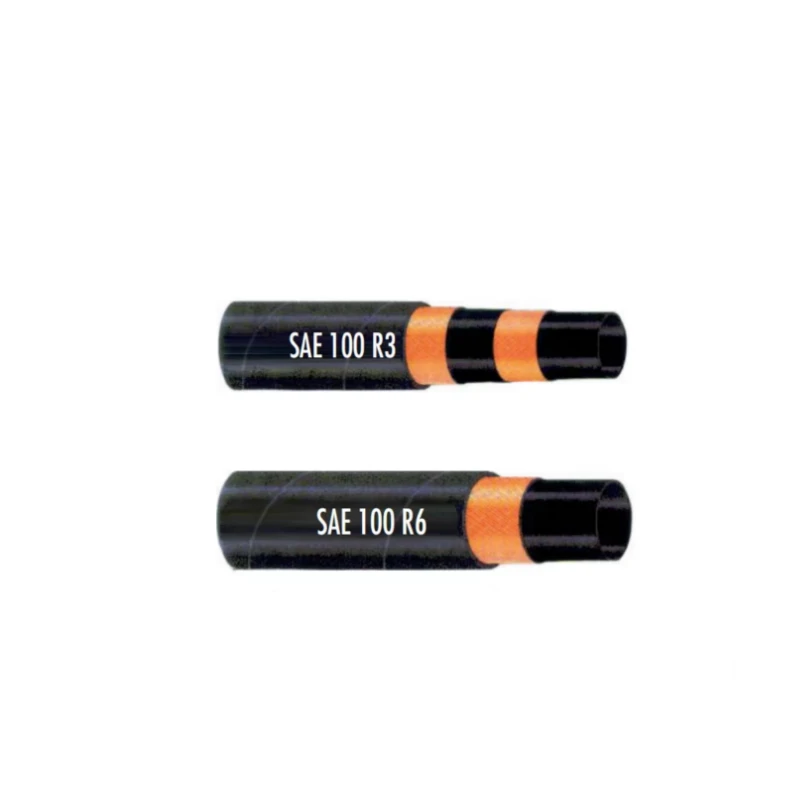
Textile Braid Reinforced Hydraulic Hose SAE100 R3+R6
NewsSep.03,2024
Textile Reinforced Hydraulic oil Suction Hose with embedded Steel Wire SAE 100 R4
NewsSep.03,2024
Single Wire Braid and Textile Covered Hydraulic Hose SAE 100 R5
NewsSep.03,2024
High Pressure Thermoplastic Hydraulic Hose SAE 100 R7 / EN855 R7 - SAE 100 R8 / EN855 R8
NewsSep.03,2024
Heavy Duty Four-layer Steel Wire Spiral Reinforced Hydraulic Hose SAE100R9+R10+R12
NewsSep.03,2024
Heavy Duty Multi-layer Steel Wire Reinforced Hydraulic Hose SAE100R13 SAE100R15
NewsSep.03,2024
Latest Products
-
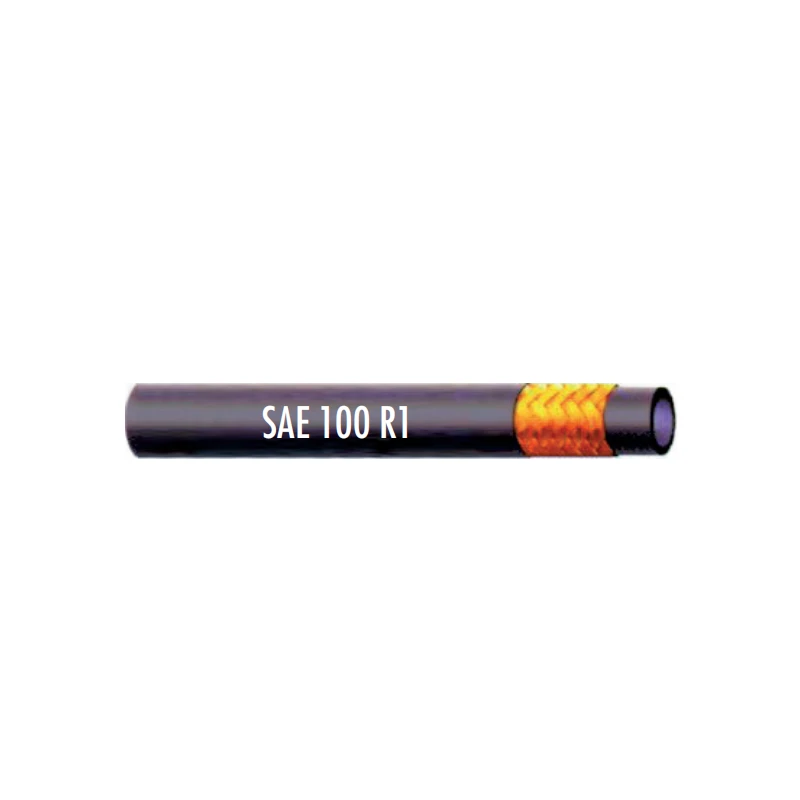
Steel Wire Reinforced Hydraulic Hose SAE 100 R1 / EN853 1SN S
-
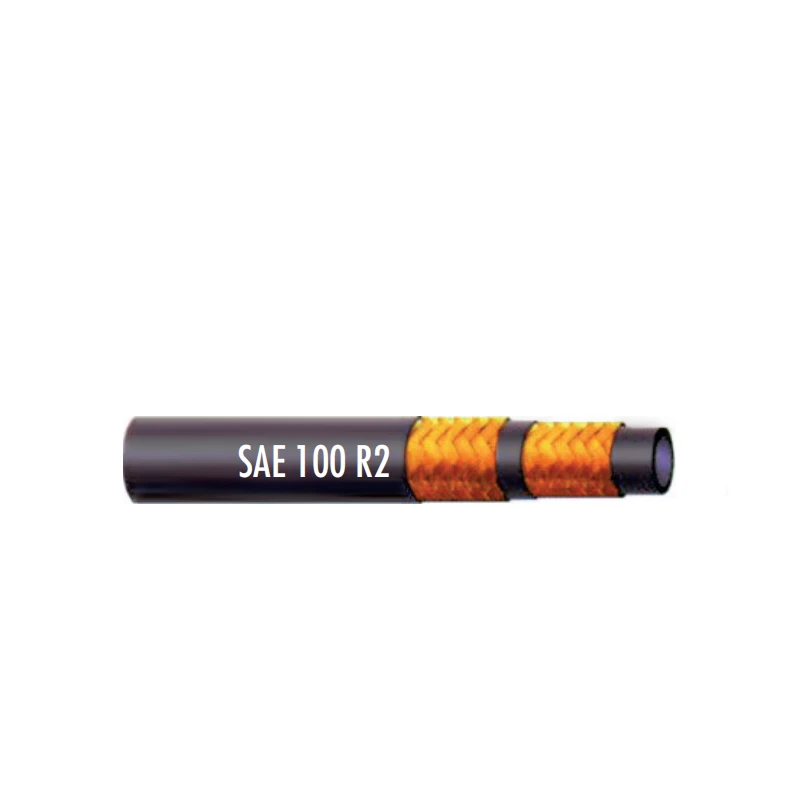
Two Layers Steel Wire Reinforced Hydraulic Hose SAE 100 R2 / EN853 2SN
-
-
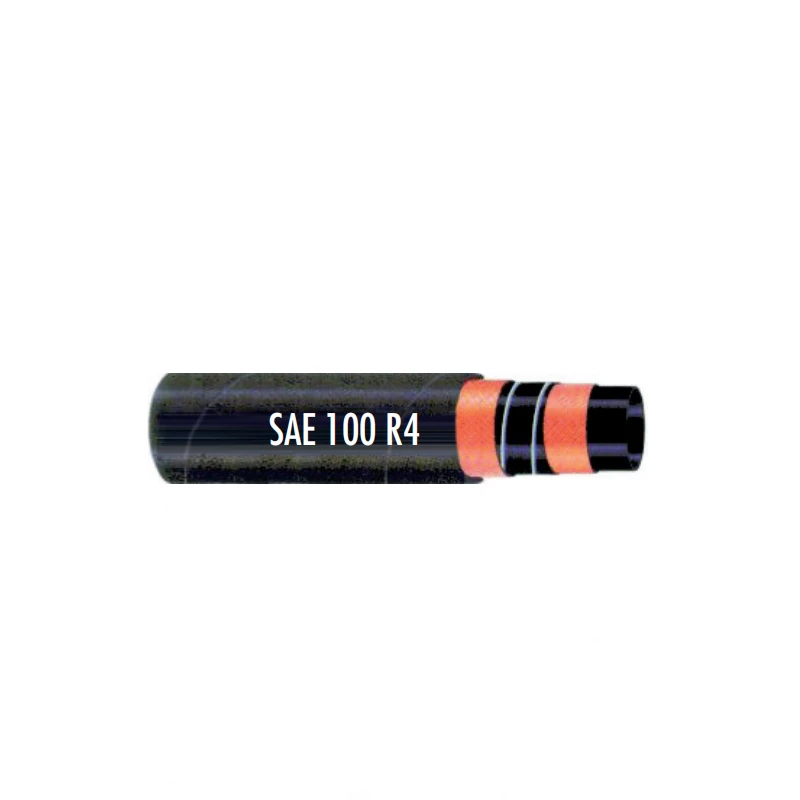
Textile Reinforced Hydraulic oil Suction Hose with embedded Steel Wire SAE 100 R4
-
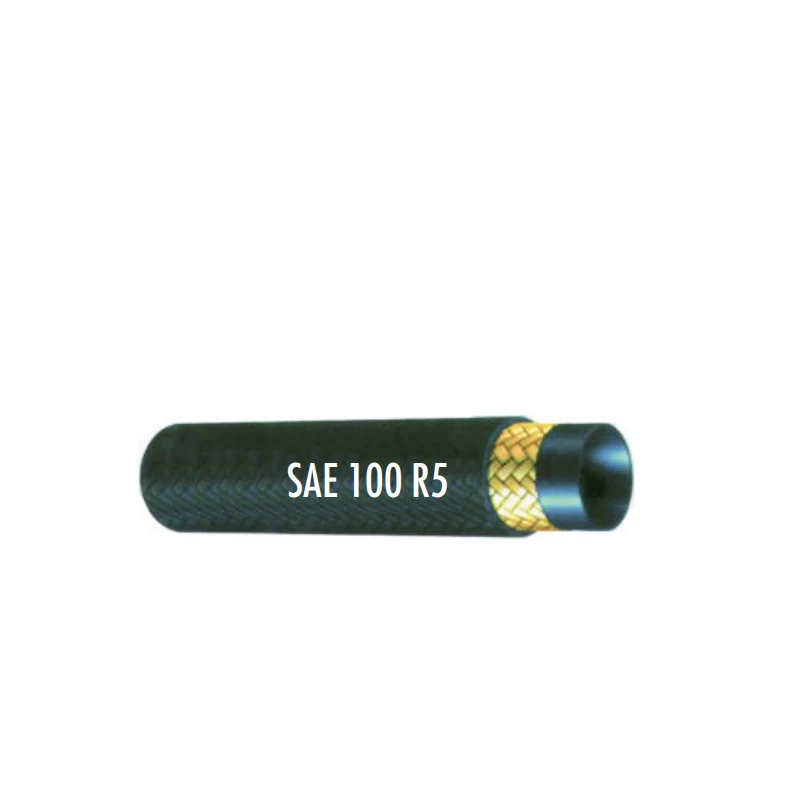
Single Wire Braid and Textile Covered Hydraulic Hose SAE 100 R5
-
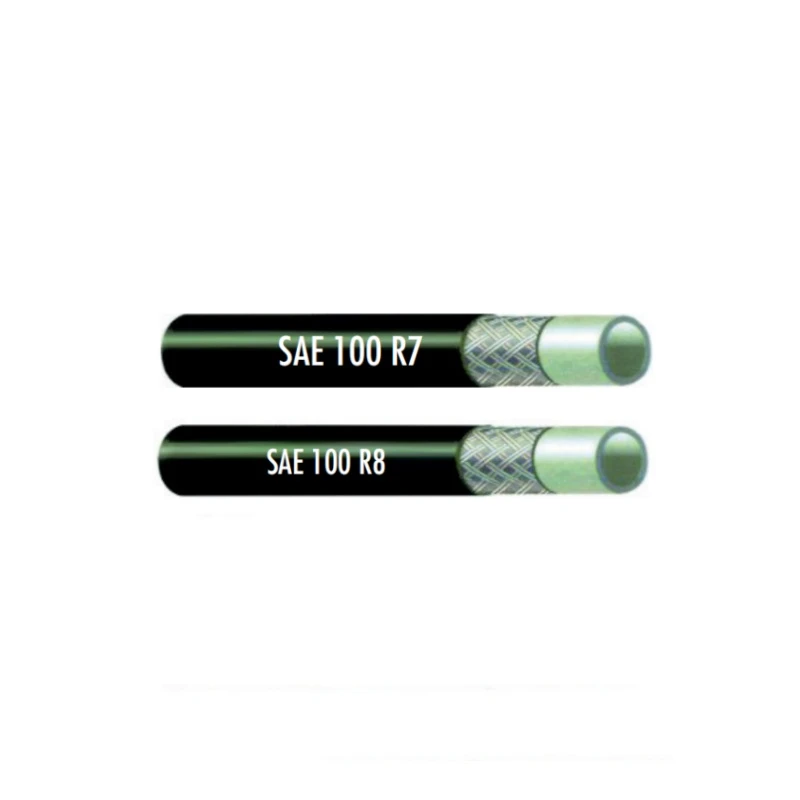
High Pressure Thermoplastic Hydraulic Hose SAE 100 R7 / EN855 R7 - SAE 100 R8 / EN855 R8
-
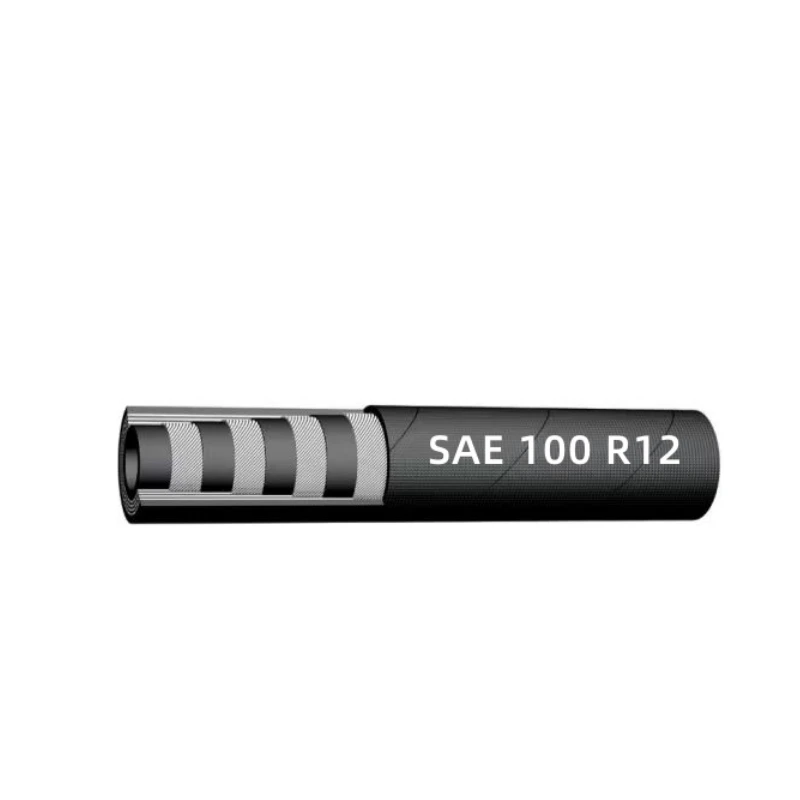
Heavy Duty Four-layer Steel Wire Spiral Reinforced Hydraulic Hose SAE100R9+R10+R12
-
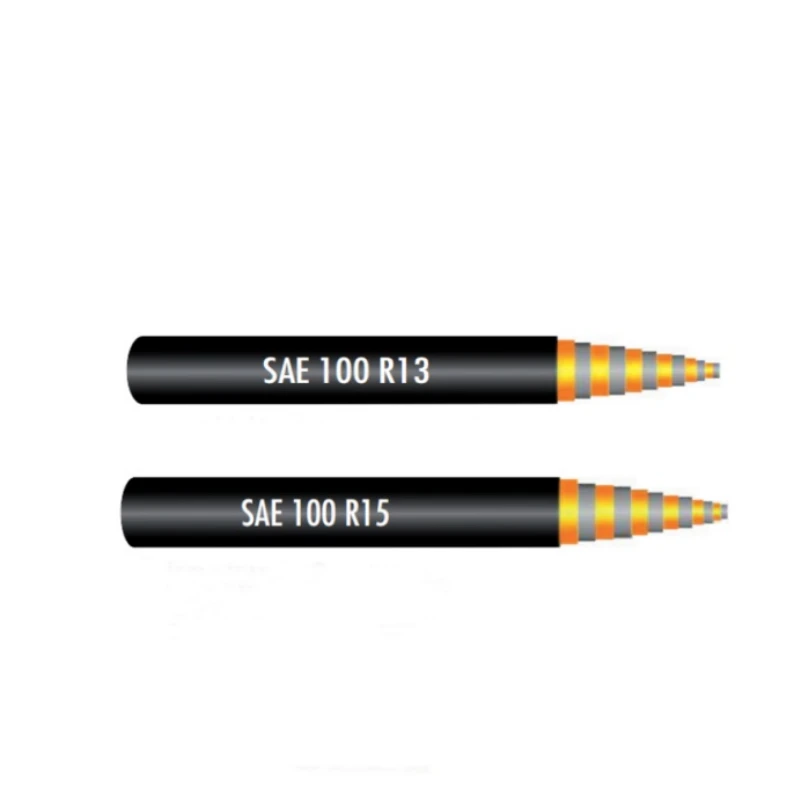
Heavy Duty Multi-layer Steel Wire Reinforced Hydraulic Hose SAE100R13 SAE100R15


