

Sep . 19, 2025 18:40 Back to list
Premium Composite Hoses: Flexible & Chemical Resistant
 Introduction to Advanced Fluid Transfer Solutions
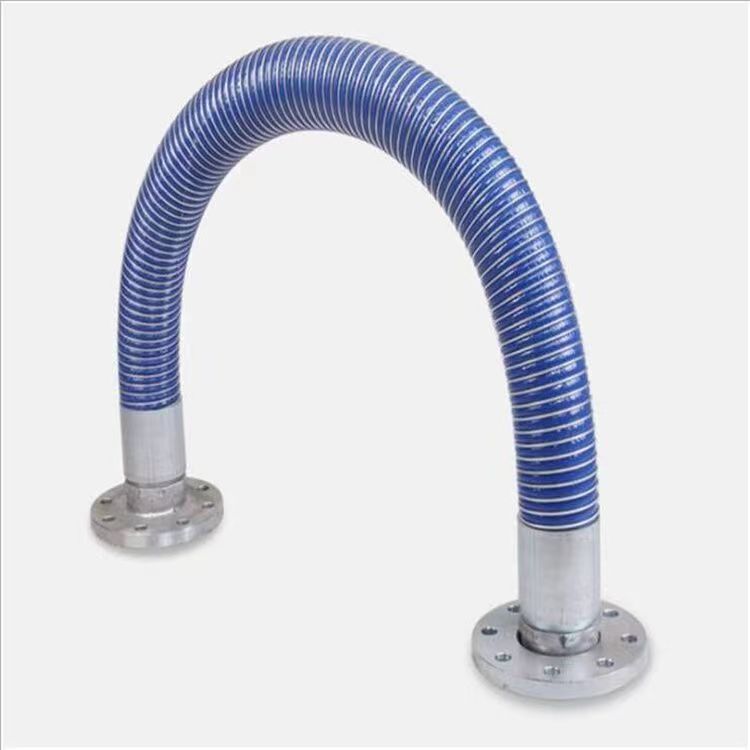
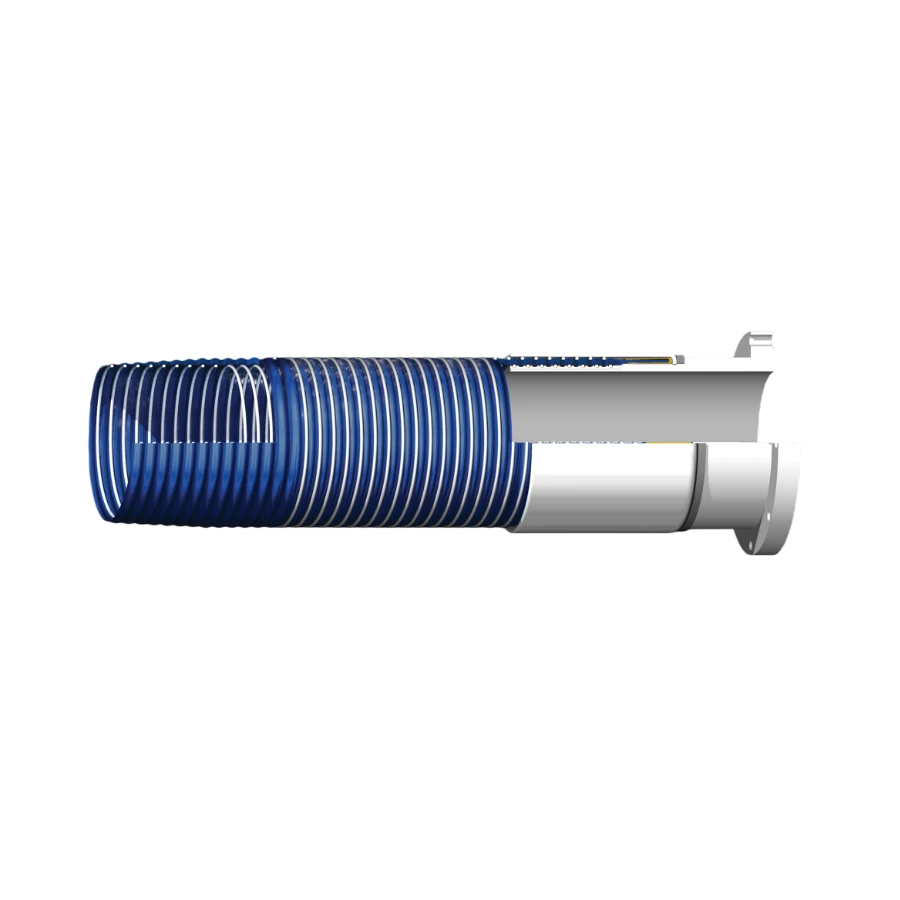
In the demanding landscape of industrial fluid transfer, safety, efficiency, and chemical compatibility are paramount. The composite hose stands as a cutting-edge solution, engineered to meet the stringent requirements of transporting diverse and often hazardous media. Unlike traditional rubber or metal hoses, composite structures offer a unique blend of flexibility, strength, and chemical resistance, making them indispensable across various B2B sectors. These hoses are meticulously designed from multiple layers of thermoplastic films and fabrics, reinforced by internal and external wire helixes, ensuring robust performance under challenging conditions. This article delves into the intricate details of composite hose technology, from its manufacturing prowess to its critical role in modern industrial applications.
Manufacturing Process Flow of Composite Hose
The production of a composite hose is a sophisticated multi-stage process, integrating advanced material science with precision engineering. Each step is critical to ensure the final product meets exacting performance standards, often surpassing those of conventional hose designs.
1. Material Selection & Preparation
High-grade thermoplastic films (e.g., Polypropylene, PTFE, Polyamide) and fabrics are chosen based on chemical compatibility and temperature requirements. Internal and external helix wires (galvanized steel, stainless steel, aluminum) are prepared for strength and structural integrity.
2. Layering & Winding
Multiple layers of selected films and fabrics are spirally wound over a mandrel. This intricate layering, often involving alternating directions, creates a tortuous path for fluids and enhances flexibility and burst resistance. This is a critical step for chemical composite hose construction.
3. Helix Integration
The internal and external wire helixes are integrated during the winding process. The internal wire provides a smooth bore and prevents collapse under vacuum, while the external wire offers structural support and resistance to external abrasion.
4. Curing & Consolidation
Depending on the materials, a controlled curing process may be applied to consolidate the layers, enhancing adhesion and overall structural integrity. This ensures durability and extends service life, particularly in harsh environments like petrochemical or metallurgy.
5. Fitting & Assembly
After the core hose is complete, appropriate end fittings (e.g., camlock, flange, BSP) are securely crimped or swaged onto the hose ends using specialized CNC machining for precise and leak-proof connections, vital for critical applications in water supply & drainage.
6. Testing & Quality Assurance
Each composite hose undergoes rigorous testing. This includes hydrostatic pressure tests (to ISO 1402 standards), electrical continuity tests (to EN 13765), and vacuum tests. All products conform to international standards like ISO 9001 and meet critical industry certifications such as ATEX for hazardous area use.
The typical service life for a well-maintained composite hose ranges from 3 to 7 years, depending on the application severity, media, and operational conditions. Advantages in typical scenarios include superior corrosion resistance against aggressive chemicals and inherent energy saving due to reduced weight and higher flow efficiency compared to rigid piping. Target industries prominently feature petrochemical, chemical manufacturing, oil & gas exploration, and bulk transport.
Industry Trends in Fluid Transfer Technology
The fluid transfer industry is continuously evolving, driven by stringent safety regulations, environmental concerns, and the demand for greater operational efficiency. Key trends influencing the development and adoption of advanced hose technologies include:
- Enhanced Chemical Compatibility: The rise of new, aggressive chemicals in manufacturing processes drives the need for advanced `chemical composite hose` designs capable of handling a broader spectrum of media without degradation.
- Lightweight and Flexibility: Operators increasingly seek `composite flexible hose` solutions that are easier to handle, reducing physical strain and improving operational turnaround times, particularly in mobile transfer applications.
- Sustainability and Longevity: Focus on hoses with extended service life and materials that minimize environmental impact, including those compliant with REACH and RoHS directives.
- Smart Hose Technology: Integration of IoT sensors for real-time monitoring of pressure, temperature, and leakage detection is becoming a critical requirement for preventative maintenance and safety.
- Digitalization in Procurement and Supply Chain: Streamlined ordering, transparent lead times, and comprehensive digital documentation are becoming standard expectations for B2B clients.
These trends highlight a shift towards more intelligent, resilient, and user-centric fluid transfer solutions, with `composite chemical hose` products at the forefront of this innovation.
Technical Specifications of Composite Hose Series
Understanding the technical parameters is crucial for selecting the appropriate composite hose for any given application. The following table outlines typical specifications for our high-performance composite hose series, engineered to meet diverse industrial demands.
| Parameter | Specification Range | Standard Compliance |
|---|---|---|
| Diameter Range (ID) | 1" (25mm) to 10" (250mm) | EN 13765, BS 3492 |
| Working Pressure | 7 Bar (100 PSI) to 25 Bar (360 PSI) | ISO 1402, EN 13765 |
| Burst Pressure | Min. 4 times Working Pressure | Industry Safety Factor |
| Temperature Range | -40°C to +150°C (Material Dependent) | EN 13765 Annex B |
| Bend Radius | Typically 0.75 - 1.5 x ID | Optimal Flexibility |
| Vacuum Rating | Full Vacuum (0.9 Bar / 26 in Hg) | ASTM D380 |
| Electrical Conductivity | Electrically Continuous (R < 10 Ohms) | EN 13765 Type 1/2 |
| Liner Materials | Polypropylene (PP), PTFE, ECTFE, PA | Chemical Compatibility |
| Outer Cover | Abrasion/UV Resistant PVC Coated Fabric | Environmental Protection |
These specifications ensure that a `compotec composite hose` can operate reliably in the most demanding industrial environments. Our expertise ensures that each hose composite product is manufactured with strict adherence to these parameters.
Key Application Scenarios
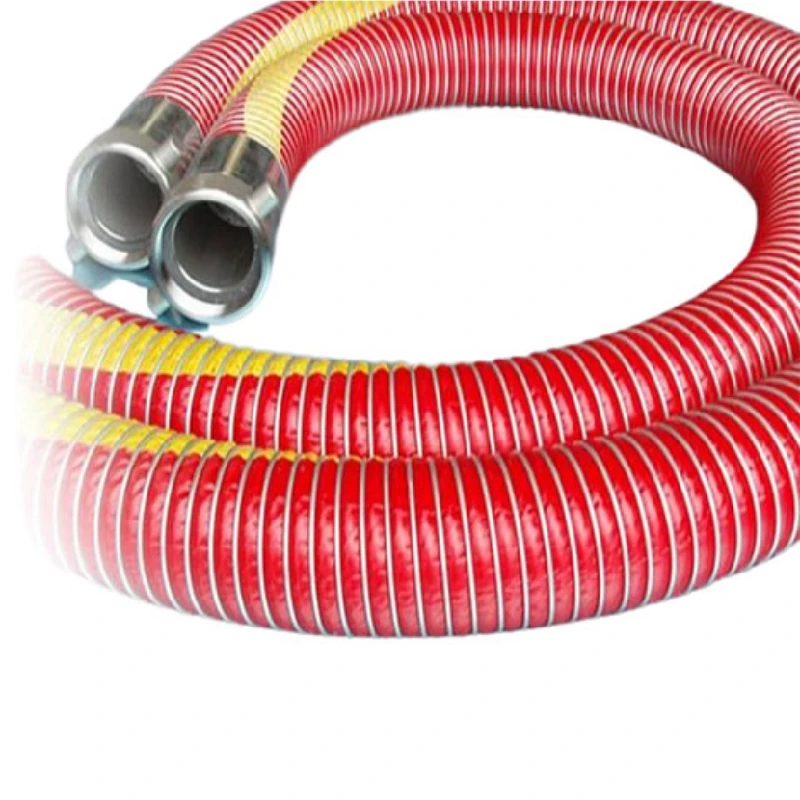
The versatility and robust construction of the composite hose make it suitable for a wide array of critical applications across various industries. Its adaptability to handle diverse media, coupled with its inherent safety features, positions it as a preferred solution for demanding fluid transfer operations.
- Petrochemical and Chemical Transfer: Ideal for loading and unloading petroleum products, solvents, acids, and alkalis from tank trucks, railcars, and marine vessels. The multi-layered structure prevents permeation and ensures chemical integrity.
- Marine and Ship-to-Shore Operations: Employed for bunkering, bilge discharge, and transferring various chemicals and crude oil between ships and port facilities. The lightweight and flexible nature of `compotec hose` greatly simplifies handling on busy docks.
- Industrial Plant Processing: Used within chemical processing plants for in-plant transfer lines, blending operations, and connecting various process equipment. Its resistance to kinking and ease of maneuverability improve operational efficiency.
- Aerospace Fueling: Specialized variants of `composite hose pipe` are utilized for aircraft fueling, handling aviation fuels with strict requirements for purity and static dissipation.
- Hazardous Waste Management: Provides a secure and safe conduit for the transfer of hazardous waste materials, minimizing risk of spills and environmental contamination.
"We faced persistent issues with our previous rubber hoses failing due to aggressive solvents. Switching to composite hoses from JYHose drastically improved our safety record and operational uptime. The flexibility and durability are exceptional," states a Logistics Manager at a major chemical distributor. This feedback highlights the tangible benefits experienced by clients in real-world scenarios.
Technical Advantages of Composite Hose Technology
The design philosophy behind the composite hose inherently provides a suite of advantages over conventional hose types, making it a superior choice for a multitude of industrial applications. These benefits translate directly into enhanced operational safety, improved efficiency, and reduced total cost of ownership.
- Superior Flexibility & Lightweight: Constructed from multiple thermoplastic layers and wire helixes, composite hoses are significantly lighter than rubber hoses and far more flexible than metallic hoses. This eases handling, reduces operator fatigue, and facilitates faster deployment and storage.
- Broad Chemical Compatibility: The ability to select specific liner materials (e.g., Polypropylene for acids, PTFE for strong oxidizers, Polyamide for solvents) allows for unparalleled resistance to a vast range of chemicals, preventing degradation and contamination.
- Static Dissipation: The embedded wire helixes ensure full electrical continuity, effectively dissipating static electricity build-up during fluid transfer. This is critical for preventing sparks and potential ignitions when handling flammable or combustible liquids.
- Kink and Collapse Resistance: The unique spiraled wire construction provides excellent resistance to kinking and crushing, maintaining full flow even under challenging conditions, and preventing collapse under full vacuum.
- Leak Detection: The multi-layered construction can provide a "weep" when the innermost layer is compromised, offering an early warning of potential failure before catastrophic rupture, enhancing safety protocols.
- Durability and Longevity: Designed for demanding environments, these hoses exhibit excellent resistance to abrasion, ozone, UV radiation, and weathering, contributing to a longer service life and reduced replacement frequency.
These intrinsic advantages underscore why `composite hoses` are rapidly becoming the preferred choice for critical fluid transfer tasks where safety and reliability cannot be compromised.
Vendor Comparison: Choosing Your Composite Hose Supplier
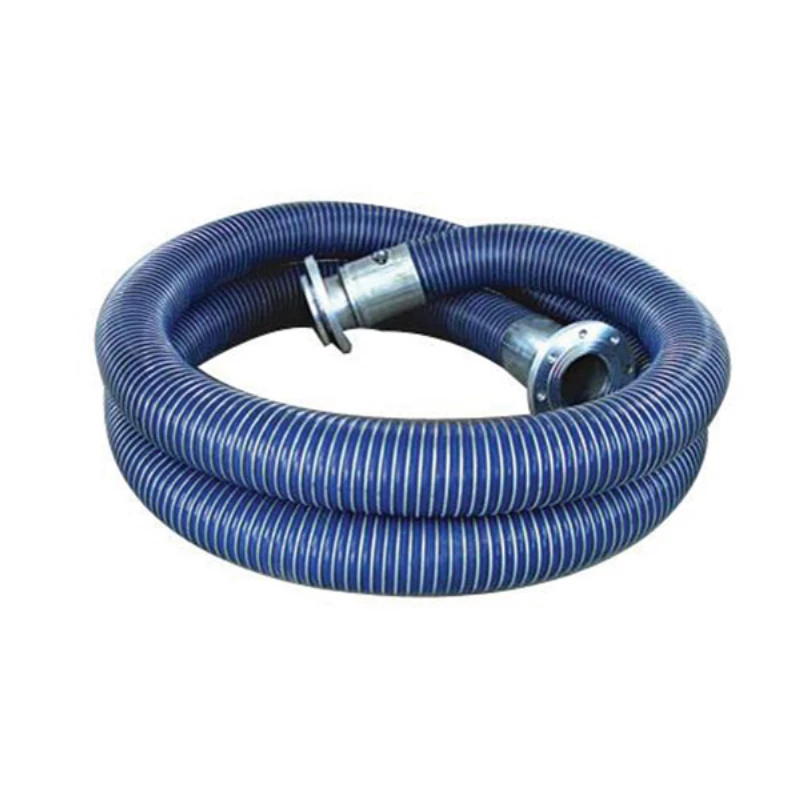
Selecting the right supplier for `hose composite` products is as critical as selecting the hose itself. Factors beyond basic product specifications, such as customization capabilities, adherence to international standards, and post-sales support, significantly impact long-term operational success.
| Feature/Criterion | JYHose (Example) | Vendor X (Competitor) | Vendor Y (Competitor) |
|---|---|---|---|
| Product Range & Sizes | Extensive (1"-10" ID, various liners) | Moderate (2"-6" ID, limited liners) | Specialized (3"-8" ID, specific types) |
| Customization Capabilities | High (Bespoke lengths, fittings, colors) | Limited (Standard options only) | Moderate (Some fitting options) |
| Certifications & Standards | ISO 9001, EN 13765, ATEX, IMO | ISO 9001 (Basic) | EN 13765 |
| Technical Support & Expertise | Dedicated engineering team, site visits | Basic online support | Regional reps only |
| Lead Time (Standard Orders) | 2-4 Weeks | 4-6 Weeks | 3-5 Weeks |
| Warranty Period | 12-18 Months | 12 Months | 6-12 Months |
| Pricing Model | Competitive, Value-driven | Budget-focused | Premium |
JYHose differentiates itself through its commitment to comprehensive solutions, certified quality, and customer-centric support, ensuring that clients receive not just a product, but a reliable partnership. Our extensive experience serving diverse industries for over 15 years reinforces our authoritative position in the market.
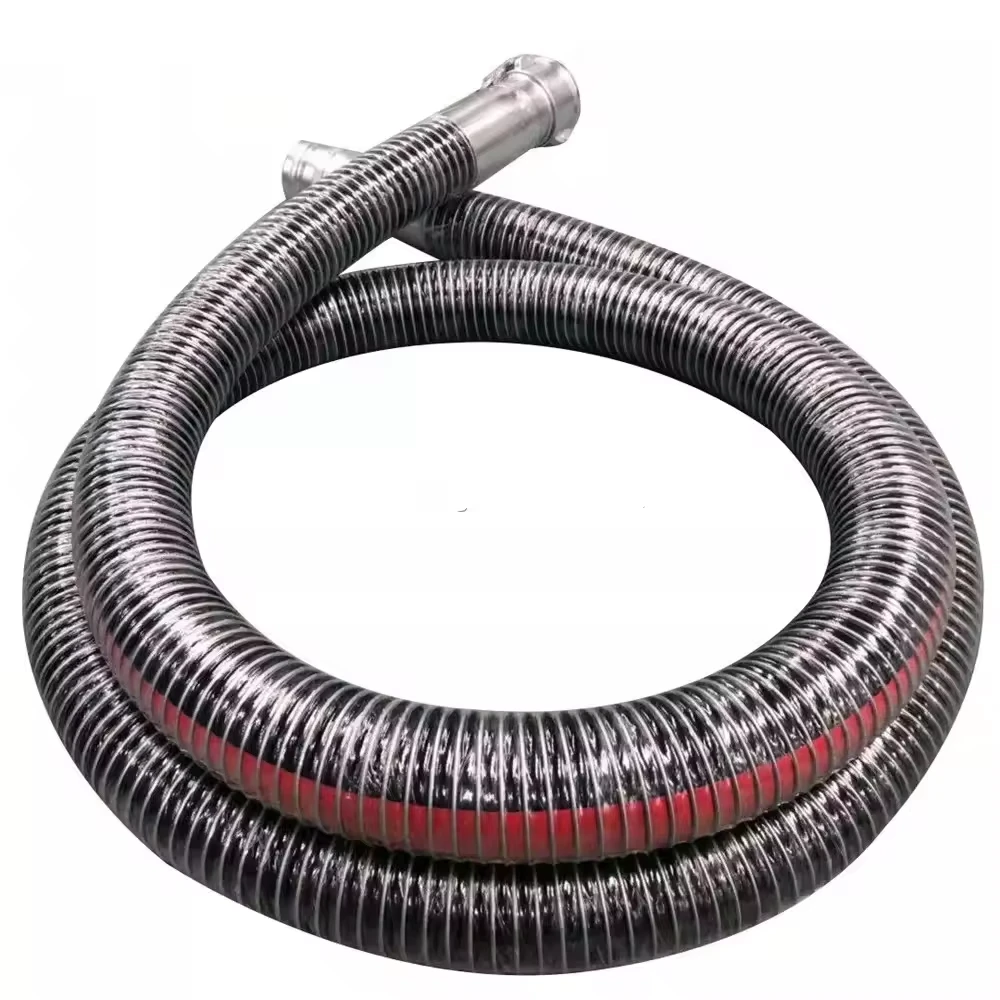
Customized Solutions for Specific Needs
Recognizing that no two industrial applications are exactly alike, JYHose specializes in providing highly customized `composite flexible hose` solutions. This approach ensures optimal performance and safety, even in the most unique or challenging operating environments.
- Tailored Liner Materials: For highly specific chemical compatibility requirements, we offer a range of exotic polymers beyond standard PP or PTFE, ensuring maximum resistance to aggressive media and preventing cross-contamination.
- Specialized Helix Wires: Depending on static dissipation needs or corrosive external environments, options include Duplex stainless steel, Hastelloy, or Nylon-coated wires.
- Application-Specific Fittings: Beyond standard camlocks and flanges, we provide custom end connections including dry-disconnect couplings, break-away couplings, and specialized threading, manufactured to precise client drawings.
- Length and Diameter Variation: While standard lengths are available, we manufacture hoses in precise lengths to minimize waste and optimize system design, accommodating diameters from 1 inch up to 12 inches for bulk transfer.
- External Protection: For abrasive environments, additional outer covers such as heavy-duty PVC or fire-resistant sheathing can be integrated.
Our engineering team collaborates closely with clients to assess their exact requirements, conducting detailed chemical compatibility analyses and pressure ratings to design a solution that perfectly matches their operational needs. This commitment to precision engineering underpins our reputation as a trusted partner.
Application Case Studies
Real-world deployments demonstrate the tangible benefits and problem-solving capabilities of the composite hose.
Case Study 1: Corrosive Acid Transfer in a Pharmaceutical Plant
A leading pharmaceutical manufacturer faced recurring issues with rubber hoses degrading quickly when transferring concentrated nitric acid (68%) during batch processing. This led to frequent hose replacements, operational downtime, and increased safety risks. JYHose provided a custom `compotec composite hose` with a multi-layered PTFE liner and Hastelloy internal/external wires. The solution offered superior chemical resistance, extending hose life from 3 months to over 2 years, drastically reducing maintenance costs, and eliminating critical safety concerns related to chemical spills. The plant now experiences zero unscheduled downtime due to hose failure in this application.
Case Study 2: Offshore Oil Rig Crude Oil Transfer
An offshore oil exploration company required robust, flexible hoses for transferring crude oil from a floating production storage and offloading (FPSO) vessel to shuttle tankers. The hoses needed to withstand harsh marine environments, extreme temperatures, and dynamic bending stresses. JYHose supplied a series of 8-inch `composite hose pipe` units, specially designed with high-tensile stainless steel helixes and a UV-stabilized, abrasion-resistant outer cover. These hoses demonstrated exceptional durability, flexibility in rough seas, and reliable performance under continuous heavy-duty use, significantly outperforming previous rubber-lined alternatives and improving transfer efficiency by 15% due to reduced kinking.
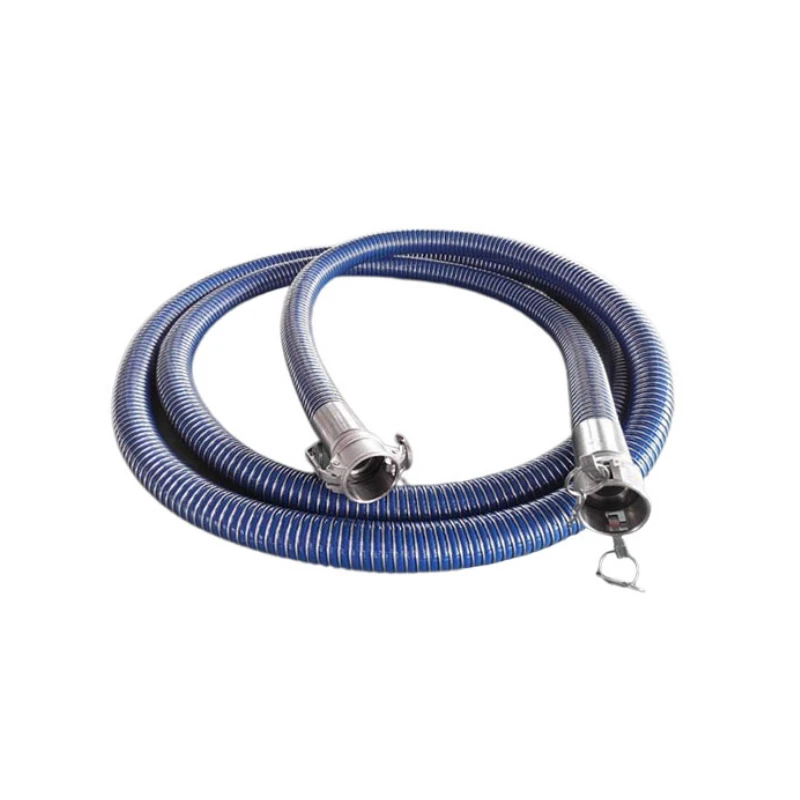
Frequently Asked Questions (FAQ)
Q1: What is the primary advantage of a composite hose over a traditional rubber hose?
A1: The primary advantages include superior chemical compatibility (due to tailored liner materials), significantly lighter weight, enhanced flexibility (eliminating kinking), and inherent static dissipation properties. Its layered construction also offers a "weep before leak" warning for added safety.
Q2: Can `composite hose pipe` handle full vacuum applications?
A2: Yes, due to its robust internal wire helix, composite hoses are designed to withstand full vacuum without collapsing, making them ideal for suction and discharge applications.
Q3: How do I determine the correct `composite hose` for my chemical application?
A3: It is crucial to provide detailed information about the chemical(s) to be transferred, including concentration, temperature, and specific gravity. Our technical team will then recommend the appropriate liner material and construction based on comprehensive chemical compatibility charts and industry standards.
Q4: Are composite hoses electrically conductive?
A4: Yes, all JYHose composite hoses are designed with integrated internal and external wire helixes that ensure continuous electrical conductivity (typically < 10 Ohms), effectively dissipating static charges to prevent sparking, particularly important for flammable products.
Lead Time & Fulfillment Details
JYHose is committed to efficient production and timely delivery to support our B2B clients' operational schedules.
- Standard Orders: Typical lead time for standard configurations of `composite hoses` is 2-4 weeks from order confirmation, subject to material availability and order volume.
- Custom Orders: For highly customized solutions, lead times may extend to 4-6 weeks to accommodate specialized material sourcing and production processes.
- Expedited Services: We offer expedited manufacturing and shipping options for urgent requirements. Please contact our sales team to discuss feasibility and associated costs.
- Global Shipping: JYHose facilitates worldwide shipping, utilizing reputable logistics partners to ensure safe and timely delivery to your specified location, complete with necessary documentation for customs clearance.
Our streamlined order processing and robust supply chain management ensure transparency and reliability from inquiry to delivery.
Warranty Commitments
JYHose stands behind the quality and performance of its products with comprehensive warranty coverage, reflecting our confidence in our manufacturing processes and materials.
- Standard Warranty: All `composite hoses` are covered by a standard warranty of 12 months from the date of installation or 18 months from the date of shipment, whichever comes first.
- Coverage: The warranty covers manufacturing defects in materials and workmanship under normal operating conditions and proper handling as per our guidelines.
- Exclusions: The warranty does not cover damage resulting from improper use, exceeding specified operating parameters, unauthorized modifications, or normal wear and tear.
- Claim Process: In the event of a warranty claim, clients are requested to contact our customer support team with purchase details and a description of the issue. Our technical team will investigate promptly to facilitate repair or replacement as per warranty terms.
This commitment ensures peace of mind for our clients, guaranteeing reliable performance throughout the product's intended service life.
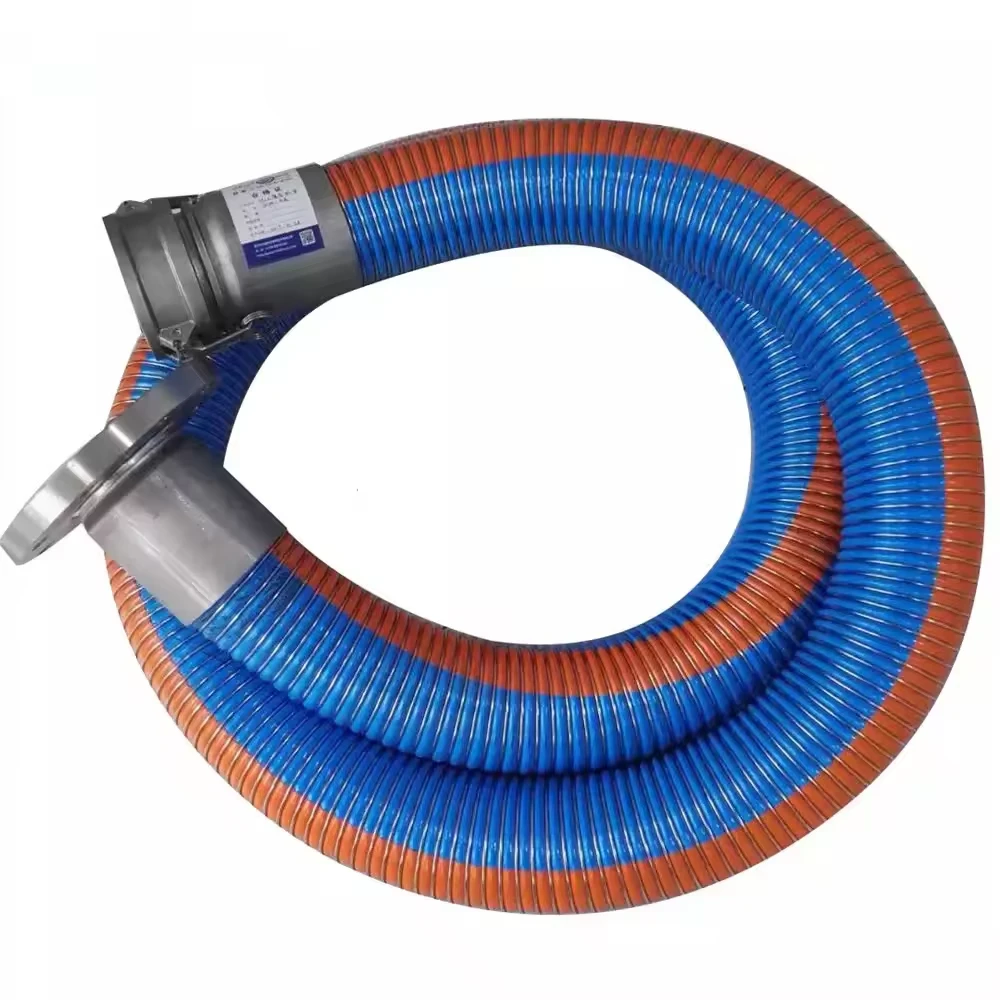
Customer Support Information
JYHose is dedicated to providing exceptional customer service and technical support at every stage, from initial inquiry to post-installation assistance.
- Pre-Sales Consultation: Our experienced sales engineers are available to provide expert guidance, assist with product selection, and offer technical specifications to ensure the optimal solution for your application.
- Technical Support: A dedicated technical support team offers assistance with installation, troubleshooting, and maintenance best practices to maximize the lifespan and performance of your composite hoses.
- Training Services: We can arrange on-site or virtual training sessions for your operational staff on the proper handling, inspection, and maintenance of our `composite hose` products, enhancing safety and operational efficiency.
- Contact Methods:
- Email: sales@jyhose.com
- Phone: +86-123-4567890 (International)
- Online Portal: Access product documentation, order status, and support tickets via our client portal on jyhose.com.
Your operational success is our priority, and our team is always ready to provide the professional support you need.
References
- EN 13765:2018. Thermoplastic multi-layer (non-rubber) hoses and hose assemblies for the transfer of hydrocarbons, solvents and chemicals – Specification. European Committee for Standardization.
- ISO 9001:2015. Quality management systems – Requirements. International Organization for Standardization.
- ASTM D380-14. Standard Test Methods for Rubber Hose. ASTM International.
- API RP 17K. Recommended Practice for Flexible Pipe for Subsea and Topside Applications. American Petroleum Institute.
- The Engineering ToolBox. Chemical Resistance of Materials. EngineeringToolBox.com.
- Health and Safety Executive. Guidance on the safe use of flexible hoses and hose assemblies. HSE Books.
Latest News
Steel Wire Reinforced Hydraulic Hose SAE 100 R1 / EN853 1SN S
NewsOct.17,2024
Two Layers Steel Wire Reinforced Hydraulic Hose SAE 100 R2 / EN853 2SN
NewsSep.03,2024
Textile Braid Reinforced Hydraulic Hose SAE100 R3+R6
NewsSep.03,2024
Textile Reinforced Hydraulic oil Suction Hose with embedded Steel Wire SAE 100 R4
NewsSep.03,2024
Single Wire Braid and Textile Covered Hydraulic Hose SAE 100 R5
NewsSep.03,2024
High Pressure Thermoplastic Hydraulic Hose SAE 100 R7 / EN855 R7 - SAE 100 R8 / EN855 R8
NewsSep.03,2024
Heavy Duty Four-layer Steel Wire Spiral Reinforced Hydraulic Hose SAE100R9+R10+R12
NewsSep.03,2024
Heavy Duty Multi-layer Steel Wire Reinforced Hydraulic Hose SAE100R13 SAE100R15
NewsSep.03,2024
Latest Products
-
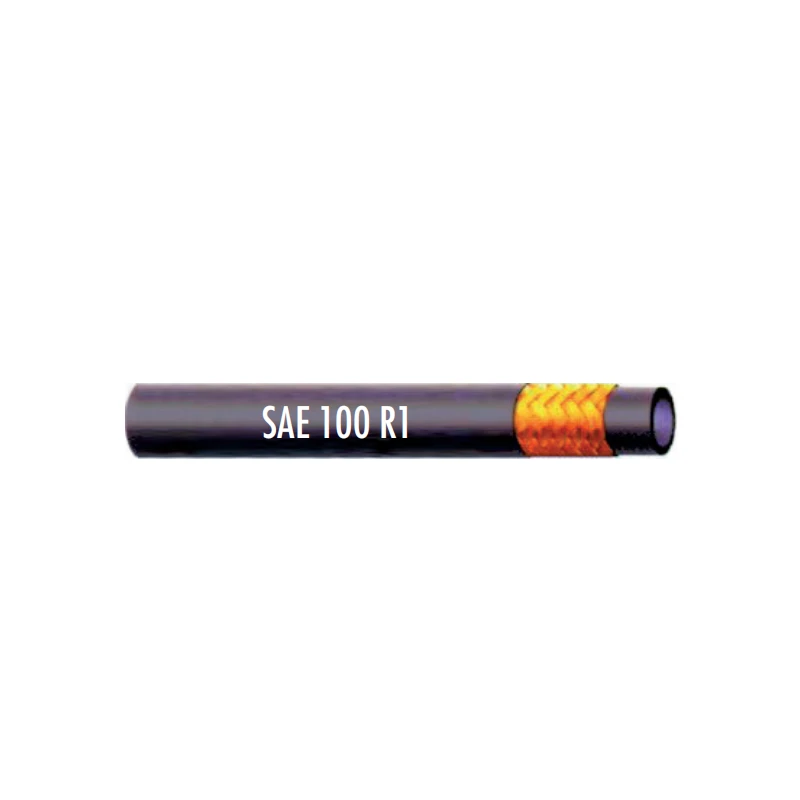
Steel Wire Reinforced Hydraulic Hose SAE 100 R1 / EN853 1SN S
-
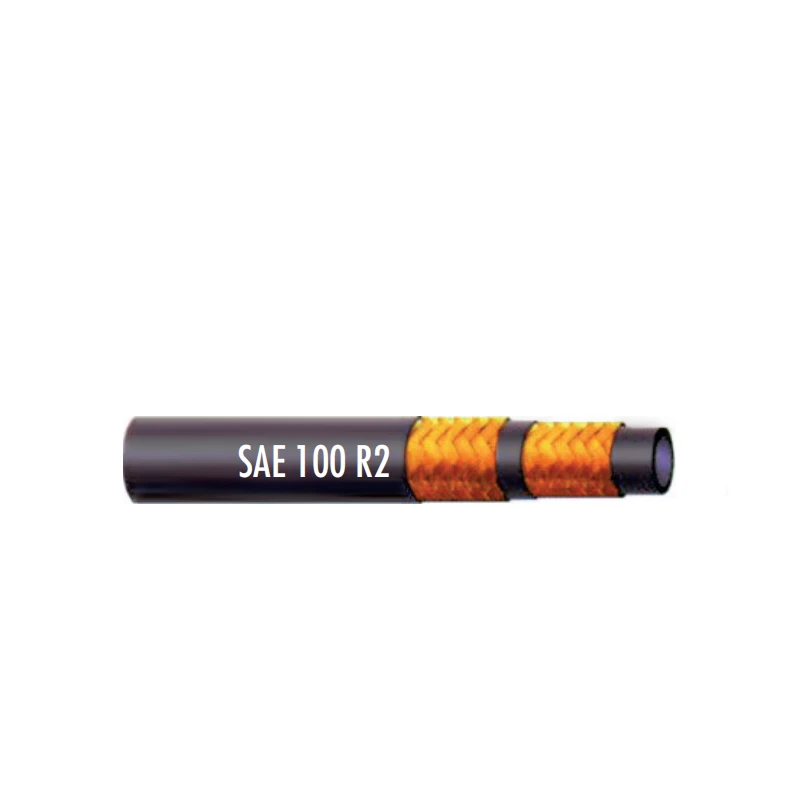
Two Layers Steel Wire Reinforced Hydraulic Hose SAE 100 R2 / EN853 2SN
-
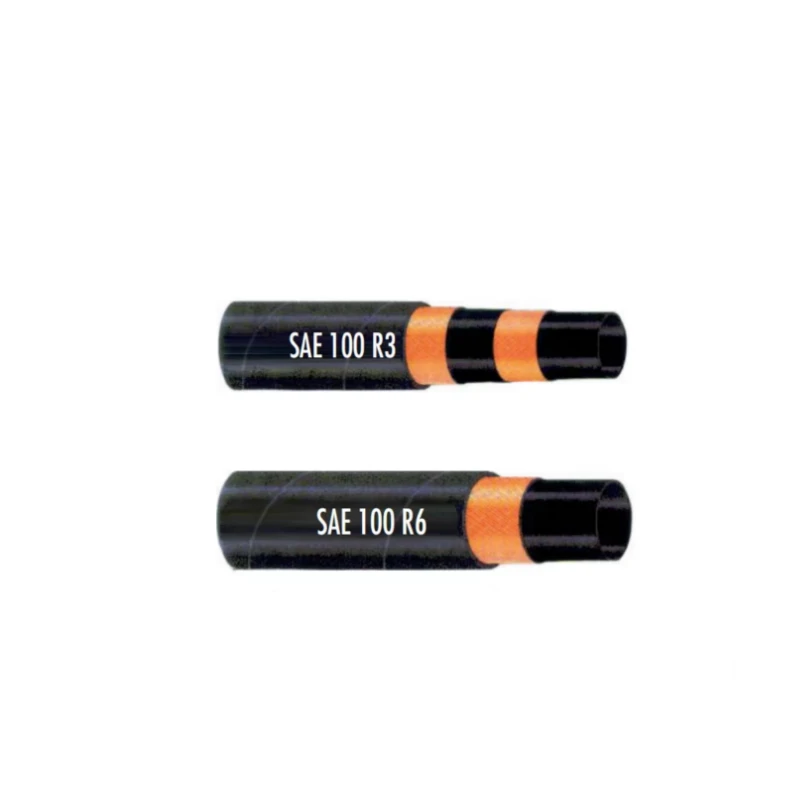
-
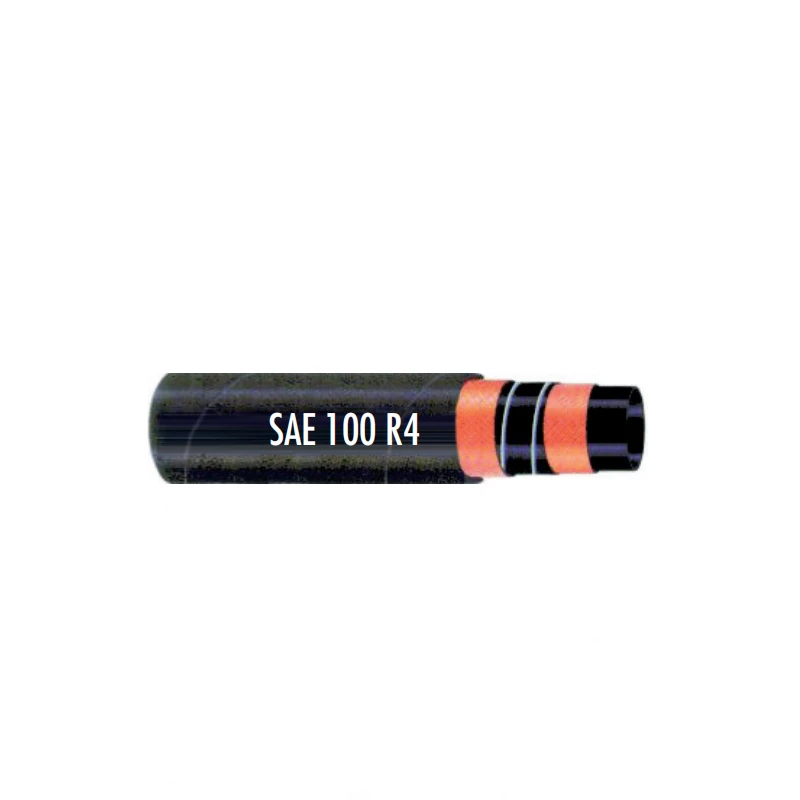
Textile Reinforced Hydraulic oil Suction Hose with embedded Steel Wire SAE 100 R4
-
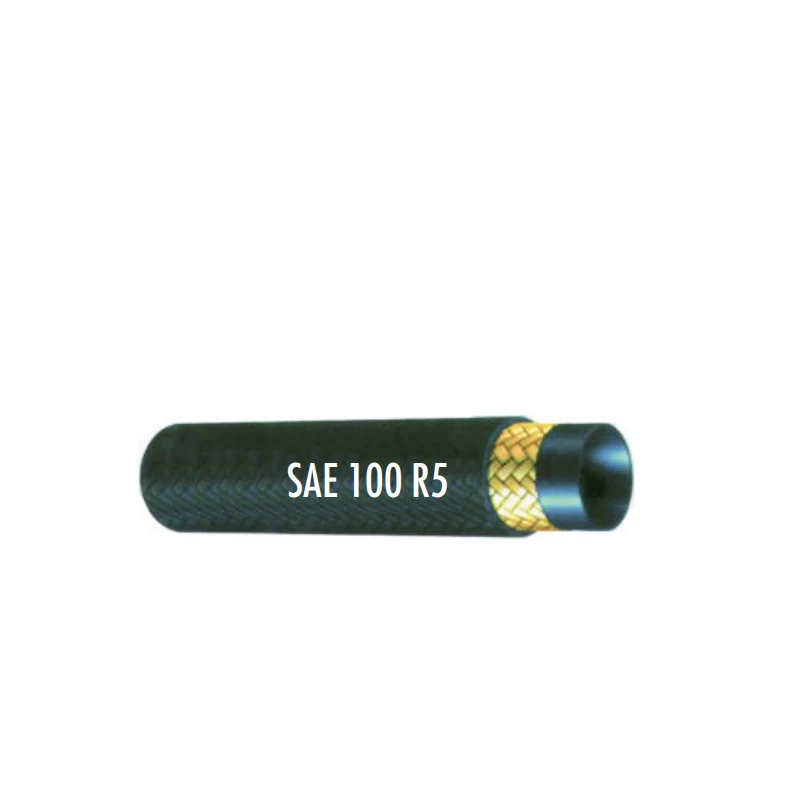
Single Wire Braid and Textile Covered Hydraulic Hose SAE 100 R5
-
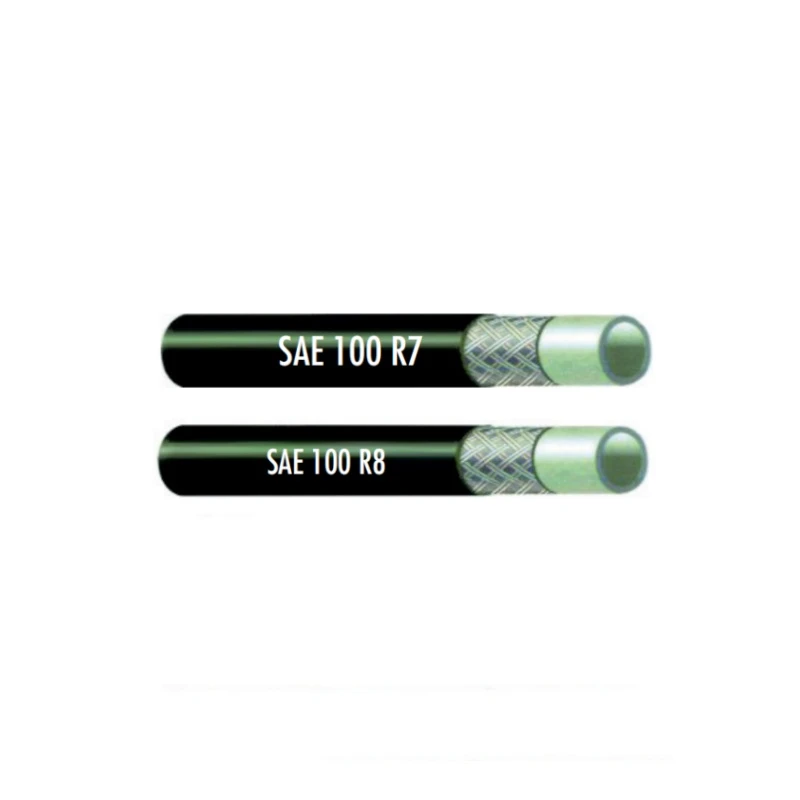
High Pressure Thermoplastic Hydraulic Hose SAE 100 R7 / EN855 R7 - SAE 100 R8 / EN855 R8
-
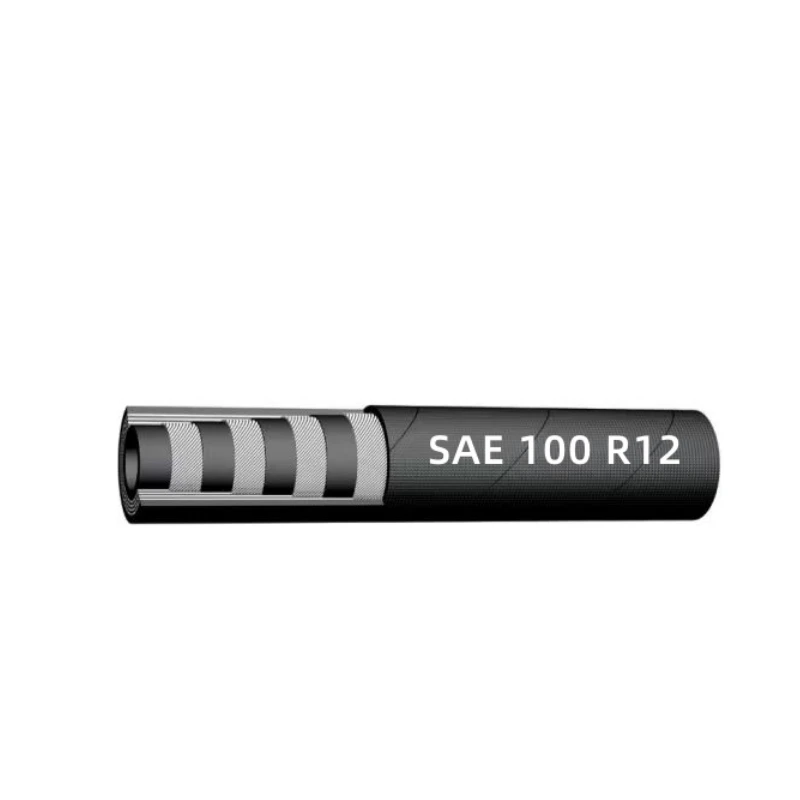
Heavy Duty Four-layer Steel Wire Spiral Reinforced Hydraulic Hose SAE100R9+R10+R12
-
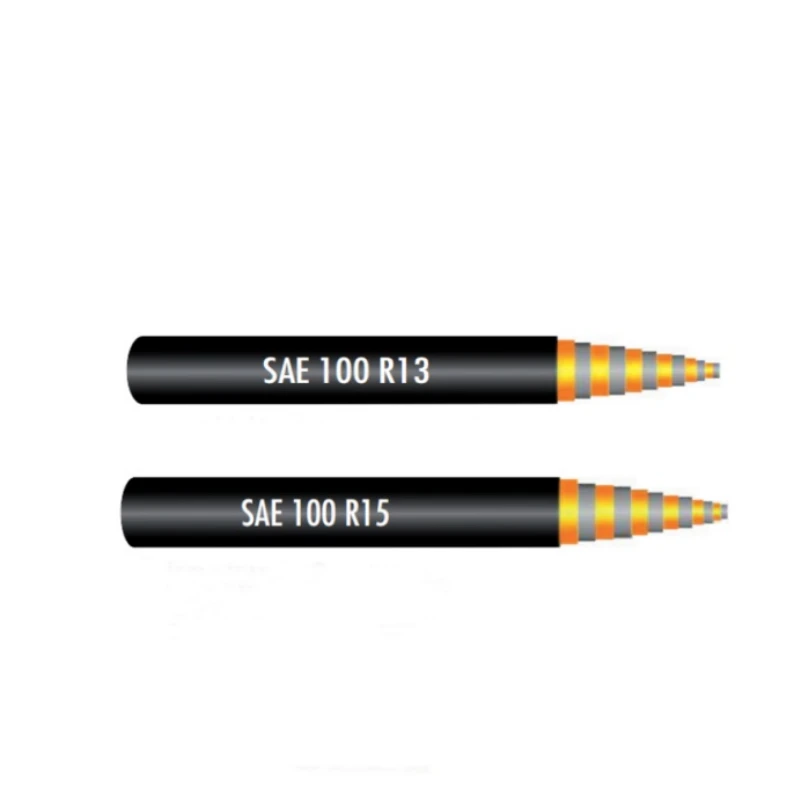
Heavy Duty Multi-layer Steel Wire Reinforced Hydraulic Hose SAE100R13 SAE100R15
Sep . 08, 2025 16:38 Back to list
Premium Composite Hoses: Flexible & Chemical Resistant
Introduction to Advanced Fluid Transfer Solutions
In the demanding landscape of industrial fluid transfer, safety, efficiency, and chemical compatibility are paramount. The composite hose stands as a cutting-edge solution, engineered to meet the stringent requirements of transporting diverse and often hazardous media. Unlike traditional rubber or metal hoses, composite structures offer a unique blend of flexibility, strength, and chemical resistance, making them indispensable across various B2B sectors. These hoses are meticulously designed from multiple layers of thermoplastic films and fabrics, reinforced by internal and external wire helixes, ensuring robust performance under challenging conditions. This article delves into the intricate details of composite hose technology, from its manufacturing prowess to its critical role in modern industrial applications.
Manufacturing Process Flow of Composite Hose
The production of a composite hose is a sophisticated multi-stage process, integrating advanced material science with precision engineering. Each step is critical to ensure the final product meets exacting performance standards, often surpassing those of conventional hose designs.
1. Material Selection & Preparation
High-grade thermoplastic films (e.g., Polypropylene, PTFE, Polyamide) and fabrics are chosen based on chemical compatibility and temperature requirements. Internal and external helix wires (galvanized steel, stainless steel, aluminum) are prepared for strength and structural integrity.
2. Layering & Winding
Multiple layers of selected films and fabrics are spirally wound over a mandrel. This intricate layering, often involving alternating directions, creates a tortuous path for fluids and enhances flexibility and burst resistance. This is a critical step for chemical composite hose construction.
3. Helix Integration
The internal and external wire helixes are integrated during the winding process. The internal wire provides a smooth bore and prevents collapse under vacuum, while the external wire offers structural support and resistance to external abrasion.
4. Curing & Consolidation
Depending on the materials, a controlled curing process may be applied to consolidate the layers, enhancing adhesion and overall structural integrity. This ensures durability and extends service life, particularly in harsh environments like petrochemical or metallurgy.
5. Fitting & Assembly
After the core hose is complete, appropriate end fittings (e.g., camlock, flange, BSP) are securely crimped or swaged onto the hose ends using specialized CNC machining for precise and leak-proof connections, vital for critical applications in water supply & drainage.
6. Testing & Quality Assurance
Each composite hose undergoes rigorous testing. This includes hydrostatic pressure tests (to ISO 1402 standards), electrical continuity tests (to EN 13765), and vacuum tests. All products conform to international standards like ISO 9001 and meet critical industry certifications such as ATEX for hazardous area use.
The typical service life for a well-maintained composite hose ranges from 3 to 7 years, depending on the application severity, media, and operational conditions. Advantages in typical scenarios include superior corrosion resistance against aggressive chemicals and inherent energy saving due to reduced weight and higher flow efficiency compared to rigid piping. Target industries prominently feature petrochemical, chemical manufacturing, oil & gas exploration, and bulk transport.
Industry Trends in Fluid Transfer Technology
The fluid transfer industry is continuously evolving, driven by stringent safety regulations, environmental concerns, and the demand for greater operational efficiency. Key trends influencing the development and adoption of advanced hose technologies include:
- Enhanced Chemical Compatibility: The rise of new, aggressive chemicals in manufacturing processes drives the need for advanced `chemical composite hose` designs capable of handling a broader spectrum of media without degradation.
- Lightweight and Flexibility: Operators increasingly seek `composite flexible hose` solutions that are easier to handle, reducing physical strain and improving operational turnaround times, particularly in mobile transfer applications.
- Sustainability and Longevity: Focus on hoses with extended service life and materials that minimize environmental impact, including those compliant with REACH and RoHS directives.
- Smart Hose Technology: Integration of IoT sensors for real-time monitoring of pressure, temperature, and leakage detection is becoming a critical requirement for preventative maintenance and safety.
- Digitalization in Procurement and Supply Chain: Streamlined ordering, transparent lead times, and comprehensive digital documentation are becoming standard expectations for B2B clients.
These trends highlight a shift towards more intelligent, resilient, and user-centric fluid transfer solutions, with `composite chemical hose` products at the forefront of this innovation.
Technical Specifications of Composite Hose Series
Understanding the technical parameters is crucial for selecting the appropriate composite hose for any given application. The following table outlines typical specifications for our high-performance composite hose series, engineered to meet diverse industrial demands.
| Parameter | Specification Range | Standard Compliance |
|---|---|---|
| Diameter Range (ID) | 1" (25mm) to 10" (250mm) | EN 13765, BS 3492 |
| Working Pressure | 7 Bar (100 PSI) to 25 Bar (360 PSI) | ISO 1402, EN 13765 |
| Burst Pressure | Min. 4 times Working Pressure | Industry Safety Factor |
| Temperature Range | -40°C to +150°C (Material Dependent) | EN 13765 Annex B |
| Bend Radius | Typically 0.75 - 1.5 x ID | Optimal Flexibility |
| Vacuum Rating | Full Vacuum (0.9 Bar / 26 in Hg) | ASTM D380 |
| Electrical Conductivity | Electrically Continuous (R < 10 Ohms) | EN 13765 Type 1/2 |
| Liner Materials | Polypropylene (PP), PTFE, ECTFE, PA | Chemical Compatibility |
| Outer Cover | Abrasion/UV Resistant PVC Coated Fabric | Environmental Protection |
These specifications ensure that a `compotec composite hose` can operate reliably in the most demanding industrial environments. Our expertise ensures that each hose composite product is manufactured with strict adherence to these parameters.
Key Application Scenarios
The versatility and robust construction of the composite hose make it suitable for a wide array of critical applications across various industries. Its adaptability to handle diverse media, coupled with its inherent safety features, positions it as a preferred solution for demanding fluid transfer operations.
- Petrochemical and Chemical Transfer: Ideal for loading and unloading petroleum products, solvents, acids, and alkalis from tank trucks, railcars, and marine vessels. The multi-layered structure prevents permeation and ensures chemical integrity.
- Marine and Ship-to-Shore Operations: Employed for bunkering, bilge discharge, and transferring various chemicals and crude oil between ships and port facilities. The lightweight and flexible nature of `compotec hose` greatly simplifies handling on busy docks.
- Industrial Plant Processing: Used within chemical processing plants for in-plant transfer lines, blending operations, and connecting various process equipment. Its resistance to kinking and ease of maneuverability improve operational efficiency.
- Aerospace Fueling: Specialized variants of `composite hose pipe` are utilized for aircraft fueling, handling aviation fuels with strict requirements for purity and static dissipation.
- Hazardous Waste Management: Provides a secure and safe conduit for the transfer of hazardous waste materials, minimizing risk of spills and environmental contamination.
"We faced persistent issues with our previous rubber hoses failing due to aggressive solvents. Switching to composite hoses from JYHose drastically improved our safety record and operational uptime. The flexibility and durability are exceptional," states a Logistics Manager at a major chemical distributor. This feedback highlights the tangible benefits experienced by clients in real-world scenarios.
Technical Advantages of Composite Hose Technology
The design philosophy behind the composite hose inherently provides a suite of advantages over conventional hose types, making it a superior choice for a multitude of industrial applications. These benefits translate directly into enhanced operational safety, improved efficiency, and reduced total cost of ownership.
- Superior Flexibility & Lightweight: Constructed from multiple thermoplastic layers and wire helixes, composite hoses are significantly lighter than rubber hoses and far more flexible than metallic hoses. This eases handling, reduces operator fatigue, and facilitates faster deployment and storage.
- Broad Chemical Compatibility: The ability to select specific liner materials (e.g., Polypropylene for acids, PTFE for strong oxidizers, Polyamide for solvents) allows for unparalleled resistance to a vast range of chemicals, preventing degradation and contamination.
- Static Dissipation: The embedded wire helixes ensure full electrical continuity, effectively dissipating static electricity build-up during fluid transfer. This is critical for preventing sparks and potential ignitions when handling flammable or combustible liquids.
- Kink and Collapse Resistance: The unique spiraled wire construction provides excellent resistance to kinking and crushing, maintaining full flow even under challenging conditions, and preventing collapse under full vacuum.
- Leak Detection: The multi-layered construction can provide a "weep" when the innermost layer is compromised, offering an early warning of potential failure before catastrophic rupture, enhancing safety protocols.
- Durability and Longevity: Designed for demanding environments, these hoses exhibit excellent resistance to abrasion, ozone, UV radiation, and weathering, contributing to a longer service life and reduced replacement frequency.
These intrinsic advantages underscore why `composite hoses` are rapidly becoming the preferred choice for critical fluid transfer tasks where safety and reliability cannot be compromised.
Vendor Comparison: Choosing Your Composite Hose Supplier
Selecting the right supplier for `hose composite` products is as critical as selecting the hose itself. Factors beyond basic product specifications, such as customization capabilities, adherence to international standards, and post-sales support, significantly impact long-term operational success.
| Feature/Criterion | JYHose (Example) | Vendor X (Competitor) | Vendor Y (Competitor) |
|---|---|---|---|
| Product Range & Sizes | Extensive (1"-10" ID, various liners) | Moderate (2"-6" ID, limited liners) | Specialized (3"-8" ID, specific types) |
| Customization Capabilities | High (Bespoke lengths, fittings, colors) | Limited (Standard options only) | Moderate (Some fitting options) |
| Certifications & Standards | ISO 9001, EN 13765, ATEX, IMO | ISO 9001 (Basic) | EN 13765 |
| Technical Support & Expertise | Dedicated engineering team, site visits | Basic online support | Regional reps only |
| Lead Time (Standard Orders) | 2-4 Weeks | 4-6 Weeks | 3-5 Weeks |
| Warranty Period | 12-18 Months | 12 Months | 6-12 Months |
| Pricing Model | Competitive, Value-driven | Budget-focused | Premium |
JYHose differentiates itself through its commitment to comprehensive solutions, certified quality, and customer-centric support, ensuring that clients receive not just a product, but a reliable partnership. Our extensive experience serving diverse industries for over 15 years reinforces our authoritative position in the market.
Customized Solutions for Specific Needs
Recognizing that no two industrial applications are exactly alike, JYHose specializes in providing highly customized `composite flexible hose` solutions. This approach ensures optimal performance and safety, even in the most unique or challenging operating environments.
- Tailored Liner Materials: For highly specific chemical compatibility requirements, we offer a range of exotic polymers beyond standard PP or PTFE, ensuring maximum resistance to aggressive media and preventing cross-contamination.
- Specialized Helix Wires: Depending on static dissipation needs or corrosive external environments, options include Duplex stainless steel, Hastelloy, or Nylon-coated wires.
- Application-Specific Fittings: Beyond standard camlocks and flanges, we provide custom end connections including dry-disconnect couplings, break-away couplings, and specialized threading, manufactured to precise client drawings.
- Length and Diameter Variation: While standard lengths are available, we manufacture hoses in precise lengths to minimize waste and optimize system design, accommodating diameters from 1 inch up to 12 inches for bulk transfer.
- External Protection: For abrasive environments, additional outer covers such as heavy-duty PVC or fire-resistant sheathing can be integrated.
Our engineering team collaborates closely with clients to assess their exact requirements, conducting detailed chemical compatibility analyses and pressure ratings to design a solution that perfectly matches their operational needs. This commitment to precision engineering underpins our reputation as a trusted partner.
Application Case Studies
Real-world deployments demonstrate the tangible benefits and problem-solving capabilities of the composite hose.
Case Study 1: Corrosive Acid Transfer in a Pharmaceutical Plant
A leading pharmaceutical manufacturer faced recurring issues with rubber hoses degrading quickly when transferring concentrated nitric acid (68%) during batch processing. This led to frequent hose replacements, operational downtime, and increased safety risks. JYHose provided a custom `compotec composite hose` with a multi-layered PTFE liner and Hastelloy internal/external wires. The solution offered superior chemical resistance, extending hose life from 3 months to over 2 years, drastically reducing maintenance costs, and eliminating critical safety concerns related to chemical spills. The plant now experiences zero unscheduled downtime due to hose failure in this application.
Case Study 2: Offshore Oil Rig Crude Oil Transfer
An offshore oil exploration company required robust, flexible hoses for transferring crude oil from a floating production storage and offloading (FPSO) vessel to shuttle tankers. The hoses needed to withstand harsh marine environments, extreme temperatures, and dynamic bending stresses. JYHose supplied a series of 8-inch `composite hose pipe` units, specially designed with high-tensile stainless steel helixes and a UV-stabilized, abrasion-resistant outer cover. These hoses demonstrated exceptional durability, flexibility in rough seas, and reliable performance under continuous heavy-duty use, significantly outperforming previous rubber-lined alternatives and improving transfer efficiency by 15% due to reduced kinking.
Frequently Asked Questions (FAQ)
Q1: What is the primary advantage of a composite hose over a traditional rubber hose?
A1: The primary advantages include superior chemical compatibility (due to tailored liner materials), significantly lighter weight, enhanced flexibility (eliminating kinking), and inherent static dissipation properties. Its layered construction also offers a "weep before leak" warning for added safety.
Q2: Can `composite hose pipe` handle full vacuum applications?
A2: Yes, due to its robust internal wire helix, composite hoses are designed to withstand full vacuum without collapsing, making them ideal for suction and discharge applications.
Q3: How do I determine the correct `composite hose` for my chemical application?
A3: It is crucial to provide detailed information about the chemical(s) to be transferred, including concentration, temperature, and specific gravity. Our technical team will then recommend the appropriate liner material and construction based on comprehensive chemical compatibility charts and industry standards.
Q4: Are composite hoses electrically conductive?
A4: Yes, all JYHose composite hoses are designed with integrated internal and external wire helixes that ensure continuous electrical conductivity (typically < 10 Ohms), effectively dissipating static charges to prevent sparking, particularly important for flammable products.
Lead Time & Fulfillment Details
JYHose is committed to efficient production and timely delivery to support our B2B clients' operational schedules.
- Standard Orders: Typical lead time for standard configurations of `composite hoses` is 2-4 weeks from order confirmation, subject to material availability and order volume.
- Custom Orders: For highly customized solutions, lead times may extend to 4-6 weeks to accommodate specialized material sourcing and production processes.
- Expedited Services: We offer expedited manufacturing and shipping options for urgent requirements. Please contact our sales team to discuss feasibility and associated costs.
- Global Shipping: JYHose facilitates worldwide shipping, utilizing reputable logistics partners to ensure safe and timely delivery to your specified location, complete with necessary documentation for customs clearance.
Our streamlined order processing and robust supply chain management ensure transparency and reliability from inquiry to delivery.
Warranty Commitments
JYHose stands behind the quality and performance of its products with comprehensive warranty coverage, reflecting our confidence in our manufacturing processes and materials.
- Standard Warranty: All `composite hoses` are covered by a standard warranty of 12 months from the date of installation or 18 months from the date of shipment, whichever comes first.
- Coverage: The warranty covers manufacturing defects in materials and workmanship under normal operating conditions and proper handling as per our guidelines.
- Exclusions: The warranty does not cover damage resulting from improper use, exceeding specified operating parameters, unauthorized modifications, or normal wear and tear.
- Claim Process: In the event of a warranty claim, clients are requested to contact our customer support team with purchase details and a description of the issue. Our technical team will investigate promptly to facilitate repair or replacement as per warranty terms.
This commitment ensures peace of mind for our clients, guaranteeing reliable performance throughout the product's intended service life.
Customer Support Information
JYHose is dedicated to providing exceptional customer service and technical support at every stage, from initial inquiry to post-installation assistance.
- Pre-Sales Consultation: Our experienced sales engineers are available to provide expert guidance, assist with product selection, and offer technical specifications to ensure the optimal solution for your application.
- Technical Support: A dedicated technical support team offers assistance with installation, troubleshooting, and maintenance best practices to maximize the lifespan and performance of your composite hoses.
- Training Services: We can arrange on-site or virtual training sessions for your operational staff on the proper handling, inspection, and maintenance of our `composite hose` products, enhancing safety and operational efficiency.
- Contact Methods:
- Email: sales@jyhose.com
- Phone: +86-123-4567890 (International)
- Online Portal: Access product documentation, order status, and support tickets via our client portal on jyhose.com.
Your operational success is our priority, and our team is always ready to provide the professional support you need.
References
- EN 13765:2018. Thermoplastic multi-layer (non-rubber) hoses and hose assemblies for the transfer of hydrocarbons, solvents and chemicals – Specification. European Committee for Standardization.
- ISO 9001:2015. Quality management systems – Requirements. International Organization for Standardization.
- ASTM D380-14. Standard Test Methods for Rubber Hose. ASTM International.
- API RP 17K. Recommended Practice for Flexible Pipe for Subsea and Topside Applications. American Petroleum Institute.
- The Engineering ToolBox. Chemical Resistance of Materials. EngineeringToolBox.com.
- Health and Safety Executive. Guidance on the safe use of flexible hoses and hose assemblies. HSE Books.
Latest News
Steel Wire Reinforced Hydraulic Hose SAE 100 R1 / EN853 1SN S
NewsOct.17,2024
Two Layers Steel Wire Reinforced Hydraulic Hose SAE 100 R2 / EN853 2SN
NewsSep.03,2024
Textile Braid Reinforced Hydraulic Hose SAE100 R3+R6
NewsSep.03,2024
Textile Reinforced Hydraulic oil Suction Hose with embedded Steel Wire SAE 100 R4
NewsSep.03,2024
Single Wire Braid and Textile Covered Hydraulic Hose SAE 100 R5
NewsSep.03,2024
High Pressure Thermoplastic Hydraulic Hose SAE 100 R7 / EN855 R7 - SAE 100 R8 / EN855 R8
NewsSep.03,2024
Heavy Duty Four-layer Steel Wire Spiral Reinforced Hydraulic Hose SAE100R9+R10+R12
NewsSep.03,2024
Heavy Duty Multi-layer Steel Wire Reinforced Hydraulic Hose SAE100R13 SAE100R15
NewsSep.03,2024
Latest Products
-
Steel Wire Reinforced Hydraulic Hose SAE 100 R1 / EN853 1SN S
-
Two Layers Steel Wire Reinforced Hydraulic Hose SAE 100 R2 / EN853 2SN
-
-
Textile Reinforced Hydraulic oil Suction Hose with embedded Steel Wire SAE 100 R4
-
Single Wire Braid and Textile Covered Hydraulic Hose SAE 100 R5
-
High Pressure Thermoplastic Hydraulic Hose SAE 100 R7 / EN855 R7 - SAE 100 R8 / EN855 R8
-
Heavy Duty Four-layer Steel Wire Spiral Reinforced Hydraulic Hose SAE100R9+R10+R12
-
Heavy Duty Multi-layer Steel Wire Reinforced Hydraulic Hose SAE100R13 SAE100R15


