

Sep . 19, 2025 17:50 Back to list
Durable Anti Static Vacuum Hose for Safe & Efficient Cleaning
The Imperative Role of Anti-Static Vacuum Hoses in Industrial Environments
In a myriad of industrial applications, the safe and efficient conveyance of abrasive materials, powders, granular substances, and even gases is paramount. Within these demanding environments, the risk of electrostatic discharge (ESD) presents a significant hazard, potentially leading to ignition of combustible materials, damage to sensitive electronics, or even harm to personnel. This critical challenge is effectively addressed by the implementation of advanced conductive and dissipative hose solutions, specifically the anti static vacuum hose. These specialized hoses are engineered to dissipate static electricity safely, preventing dangerous charge build-up during material transfer operations.
The market for industrial hoses, particularly those with enhanced safety features like anti-static properties, continues to expand, driven by stringent safety regulations across sectors such as petrochemicals, pharmaceuticals, woodworking, mining, and food processing. The global industrial hose market size was valued at approximately USD 15.5 billion in 2023 and is projected to grow, with anti-static variants forming a crucial segment due to their indispensable safety function. Modern manufacturing trends emphasize not just operational efficiency but also robust safety protocols and environmental compliance, making the selection of appropriate material handling equipment, including specialized vacuum hoses, a strategic decision for B2B stakeholders. The evolution from generic vacuum hose solutions to application-specific variants, such as ash vacuum hose for high-temperature particulate removal or carpet cleaning vacuum hose requiring robust flexibility, underscores the technical specialization demanded by today's industries. This article delves into the technical intricacies, applications, and strategic advantages of anti-static hose technology.
Manufacturing Process: Engineering Conductive Pathways
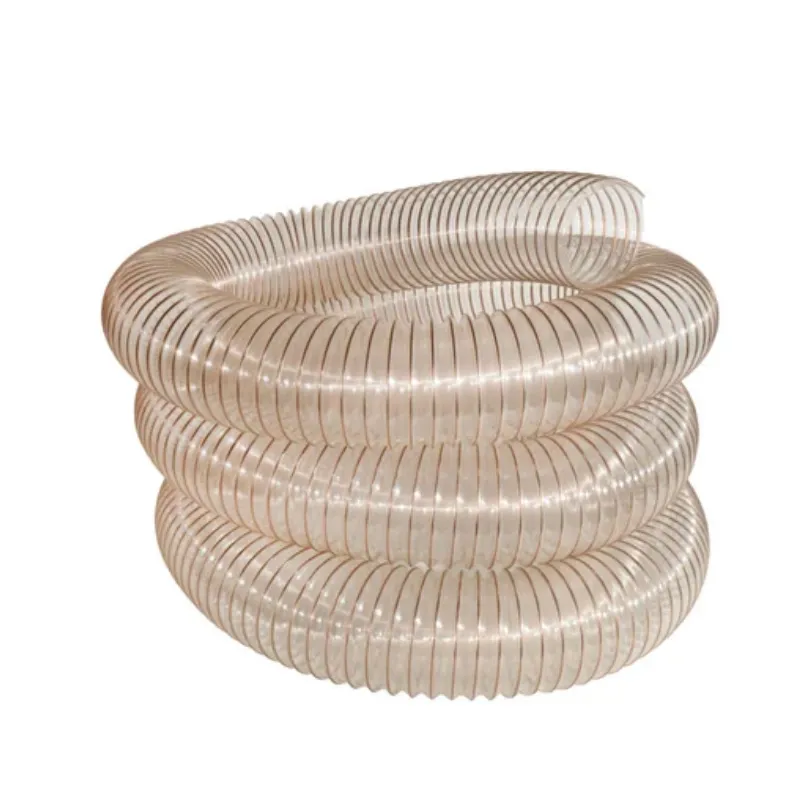
The production of a high-performance anti static vacuum hose is a precise engineering endeavor, combining material science with advanced manufacturing techniques to ensure consistent electrical conductivity and mechanical durability. Typically, a polyurethane (PU) air duct hose, known for its superior abrasion resistance and flexibility, is enhanced with anti-static properties. The process flow is meticulously managed to meet stringent industry standards.
Detailed Process Flow:
-
1. Material Selection & Preparation:
- Materials: High-grade thermoplastic polyurethane (TPU) granules, known for excellent abrasion resistance, tear strength, and chemical compatibility. Crucially, conductive additives (e.g., carbon black, special polymer compounds) are precisely blended with the PU during the compounding phase to achieve the desired surface resistivity (typically
- Quality Check: Raw materials undergo rigorous incoming quality control (IQC) to verify specifications, including material purity, melt flow index, and initial conductivity of pre-compounded pellets.
-
2. Extrusion & Coiling:
- Extrusion: The pre-compounded anti-static PU material is fed into an extruder where it is melted and forced through a die to form a continuous tube. Temperature profiles are critically controlled to maintain material integrity and homogeneous dispersion of conductive additives.
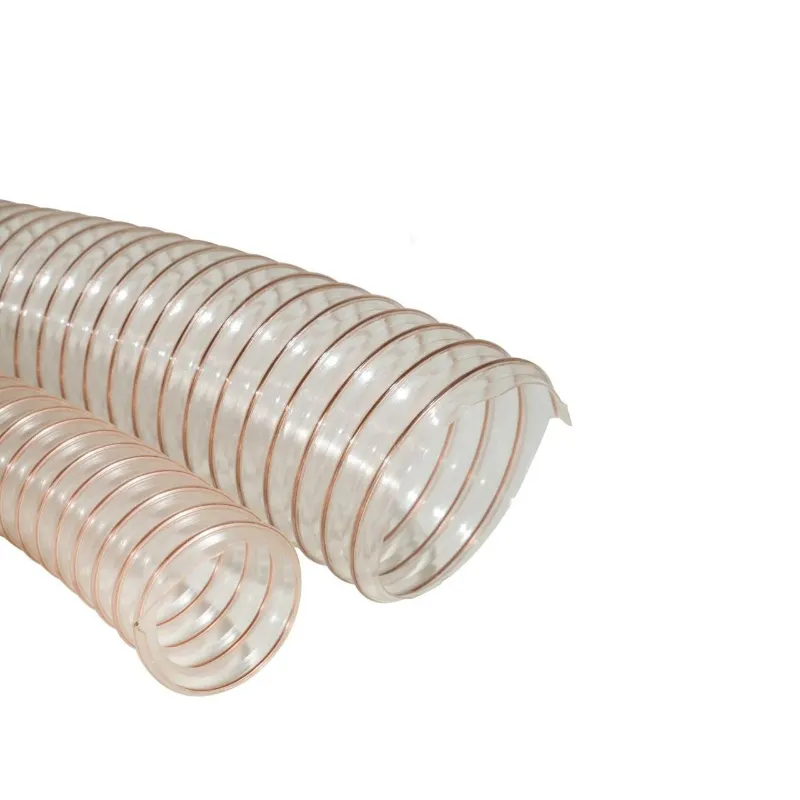
- Helix Integration (Coiling): Simultaneously, the spring steel wire helix is continuously integrated into the molten PU during the extrusion process. This creates a robust, spiral-reinforced hose structure, providing excellent flexibility, crush resistance, and vacuum stability. The helix is usually permanently embedded for structural integrity.
-
3. Cooling & Sizing:
- Cooling: The newly formed hose is uniformly cooled, typically through water baths, to solidify the PU material and set its dimensions. Controlled cooling prevents warping and ensures dimensional stability.
- Sizing: Precision sizing equipment monitors and adjusts the outer and inner diameters to ensure adherence to specified tolerances.
-
4. Curing (If Applicable) & Cutting:
- Curing: While PU hoses generally do not require extensive curing like rubber, some specialized formulations might undergo a post-extrusion heat treatment to optimize material properties.
- Cutting: The continuous hose is cut to specified lengths, often automatically, ensuring clean and precise ends for subsequent fitting or packaging.
-
5. Quality Control & Testing:
- Testing Standards: Each batch of anti static vacuum hose undergoes rigorous testing in accordance with international standards such as ISO 8031 (Rubber and plastics hoses and hose assemblies — Methods of assessment of ozone resistance, electrical resistance, and pressure surge resistance) and sometimes specific ATEX directives for explosive atmospheres. Key tests include:
- Electrical Resistance Test: Surface resistivity and volume resistivity are measured to confirm anti-static properties (e.g., typically
- Abrasion Resistance Test: Utilizing methods like the Taber Abraser or sand abrasion tests to quantify durability.
- Burst Pressure Test: To verify pressure handling capabilities.
- Vacuum Rating Test: To ensure the hose maintains its structure under negative pressure.
- Flexibility & Bend Radius Test: To confirm ergonomic handling and resistance to kinking.
- Dimensional Accuracy: Verification of inner diameter, outer diameter, and wall thickness.
- Testing Standards: Each batch of anti static vacuum hose undergoes rigorous testing in accordance with international standards such as ISO 8031 (Rubber and plastics hoses and hose assemblies — Methods of assessment of ozone resistance, electrical resistance, and pressure surge resistance) and sometimes specific ATEX directives for explosive atmospheres. Key tests include:
-
6. Packaging & Dispatch:
- Hoses are coiled, labeled with product specifications, batch numbers, and anti-static certifications, then securely packaged for protection during transit.
The targeted industries for these hoses include petrochemicals (transfer of flammable liquids/gases), metallurgy (metal dust extraction), woodworking (sawdust and chip removal), pharmaceuticals (powder transfer), and water supply & drainage (where static can affect monitoring equipment). The specific advantages demonstrated in typical application scenarios include enhanced energy saving through optimized airflow, superior corrosion resistance against various chemicals, and critically, explosion prevention due to static discharge.
Technical Specifications and Performance Parameters
Understanding the technical specifications of a anti static vacuum hose is crucial for proper selection and integration into industrial systems. These parameters define the hose's suitability for specific environments and materials, ensuring both operational efficiency and safety compliance. For instance, different applications might require variants like big blue vacuum hoses for heavy-duty cleaning or specialized emission vacuum hose for exhaust gas handling, each with distinct material compositions and performance profiles.
Key Technical Parameters for Anti-Static PU Air Duct Hose:
| Parameter | Description/Value | Relevance/Standard |
|---|---|---|
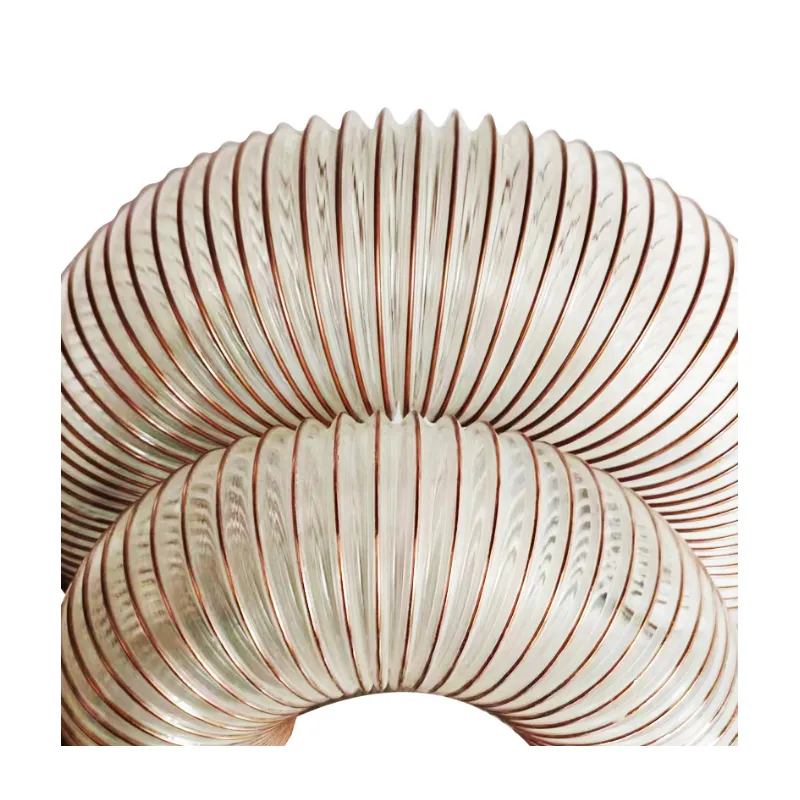
| Material Composition | Thermoplastic Polyurethane (TPU) with conductive additives; Spring Steel Wire Helix | Ensures flexibility, abrasion resistance, and consistent anti-static properties. |
| Temperature Range | -40°C to +90°C (continuous), up to +125°C (short term) | Critical for environments with temperature fluctuations, like exhaust systems or industrial dryers. |
| Electrical Surface Resistance | Typically < 10^9 Ohm (or < 10^6 Ohm for highly conductive) | Meets ATEX 2014/34/EU and DIN EN ISO 8031 requirements for dissipative hoses, preventing static build-up. |
| Wall Thickness | 0.6 mm to 2.0 mm (varies by diameter and application) | Impacts abrasion resistance, pressure rating, and flexibility. Thicker walls for abrasive materials. |
| Inner Diameter (ID) Range | 25 mm to 500 mm (1 inch to 20 inches) | Matches various machinery and ducting systems. |
| Vacuum Rating | Up to 0.7 bar (70% vacuum) to 0.9 bar (90% vacuum) depending on ID/wall | Ensures hose integrity under negative pressure for vacuum systems. |
| Bend Radius | Typically 0.8-1.5 x ID | Indicates flexibility; smaller radius allows for tighter installations without kinking. |
| Abrasion Resistance | Excellent (superior to PVC and many rubbers) | Crucial for abrasive media like sand, chips, granules, extending service life. |
| Chemical Resistance | Good against oils, greases, solvents (check specific resistance charts) | Ensures compatibility in chemical processing or fume extraction. |
Application Scenarios and Technical Advantages
The utility of an anti static vacuum hose spans a broad spectrum of industrial applications where safety, efficiency, and material compatibility are critical. Its unique properties provide significant technical advantages over conventional hoses, such as a standard black vacuum hose or blue vacuum hose without integrated static dissipation.
Typical Application Scenarios:
- Woodworking & Furniture Industry: For dust extraction from sanding machines, saws, and planers. Wood dust is highly combustible, and static charges can easily ignite it. Our hoses prevent this, ensuring worker safety and compliance with fire safety regulations.
- Chemical & Pharmaceutical Processing: Transport of powders, granules, and fumes, particularly those classified as combustible dusts or volatile organic compounds (VOCs). The dissipative properties are essential to prevent explosions in cleanroom or hazardous area classifications (e.g., ATEX Zone 1/21).
- Plastics & Rubber Industry: Conveying plastic pellets, granulates, and trims in pneumatic conveying systems. Static build-up can cause material blockages and operational downtime, which anti static vacuum hose mitigates.
- Mining & Construction: Extraction of rock dust, concrete dust, and other abrasive mineral particulates. The robust PU material combined with static dissipation ensures longevity and safety in harsh environments.
- Food & Beverage Processing: Transfer of dry food ingredients like flour, sugar, and grains. While direct food contact hoses require specific certifications, the anti-static variant prevents powder accumulations and ensures consistent flow, contributing to hygiene and efficiency in surrounding air handling.
- Automotive Industry: Extraction of sanding dust in body shops, fume extraction during welding or painting. The hoses protect sensitive electronic equipment and reduce explosion risks.
Key Technical Advantages:
- Explosion and Fire Prevention: This is the primary advantage. By dissipating static charges generated by friction during material flow, the risk of sparks that could ignite flammable dusts or vapors is virtually eliminated. This is critical for safety compliance (e.g., OSHA, ATEX).
- Enhanced Operator Safety: Prevents uncomfortable and potentially dangerous static shocks to personnel, improving working conditions and reducing accident risks.
- Protection of Sensitive Electronics: ESD can damage control systems, sensors, and other electronic components in proximity to the hose. Static dissipative hoses protect these valuable assets.
- Reduced Clogging and Improved Flow: Static electricity can cause fine powders and dusts to cling to hose walls, leading to blockages and reduced material flow. Anti-static properties promote cleaner walls and more efficient conveyance.
- Superior Abrasion Resistance: Constructed from high-grade PU, these hoses offer exceptional resistance to abrasion, significantly extending their service life even when handling highly abrasive materials like sand, glass shards, or metal filings. This reduces maintenance costs and downtime.
- Excellent Flexibility and Durability: The embedded spring steel wire helix provides structural integrity and superior flexibility, allowing for tight bends without kinking. This durability ensures reliable performance under rigorous operational stresses, unlike some cheap vacuum hose alternatives.
- Wide Temperature Range: Capable of operating effectively across a broad temperature spectrum, making them versatile for various industrial climates and process requirements.
- Corrosion Resistance: PU materials generally exhibit good resistance to many chemicals, oils, and greases, enhancing their lifespan in corrosive environments.
Vendor Comparison and Customized Solutions
Selecting the right supplier for a anti static vacuum hose is a strategic decision that extends beyond mere product specifications. It involves evaluating a vendor's technical expertise, manufacturing capabilities, quality assurance, and ability to provide tailored solutions. A truly authoritative supplier will not only offer a robust product but also demonstrate a deep understanding of industry standards and application challenges.
Key Factors in Vendor Comparison:
| Factor | Considerations for Anti-Static Hoses | Why it Matters for B2B |
|---|---|---|
| Certifications & Compliance | ISO 9001, ATEX directives (2014/34/EU), RoHS, relevant DIN/EN standards (e.g., EN ISO 8031 for electrical resistance). | Ensures product meets international safety and quality benchmarks, crucial for regulatory compliance and global market access. |
| Material Expertise | Deep knowledge of TPU blends, conductive additives, and their long-term performance in various environments. | Impacts durability, flexibility, anti-static stability, and resistance to abrasion/chemicals. Avoids premature hose failure. |
| Manufacturing Process Quality | Precision extrusion, consistent wall thickness, uniform integration of steel helix, robust quality control checkpoints. | Ensures consistent product quality, dimensional accuracy, reliable anti-static performance, and optimal service life. |
| Customization Capabilities | Ability to produce specific diameters, lengths, wall thicknesses, color (e.g., black vacuum hose, blue vacuum hose), or integrate special cuffs/connectors. | Addresses unique system requirements, optimizes performance, and simplifies installation, leading to reduced overall project costs. |
| Technical Support & R&D | Access to experienced engineers, support for complex application challenges, and commitment to product innovation. | Provides long-term partnership value, assists in problem-solving, and ensures access to cutting-edge solutions. |
| Lead Time & Logistics | Reliable production schedules, efficient inventory management, and global shipping capabilities. | Crucial for project planning, minimizing downtime, and ensuring continuity of operations. |
Customized Solutions for Specific Demands:
Recognizing that off-the-shelf solutions may not always suffice, leading manufacturers offer extensive customization options for anti static vacuum hose products. These can include:
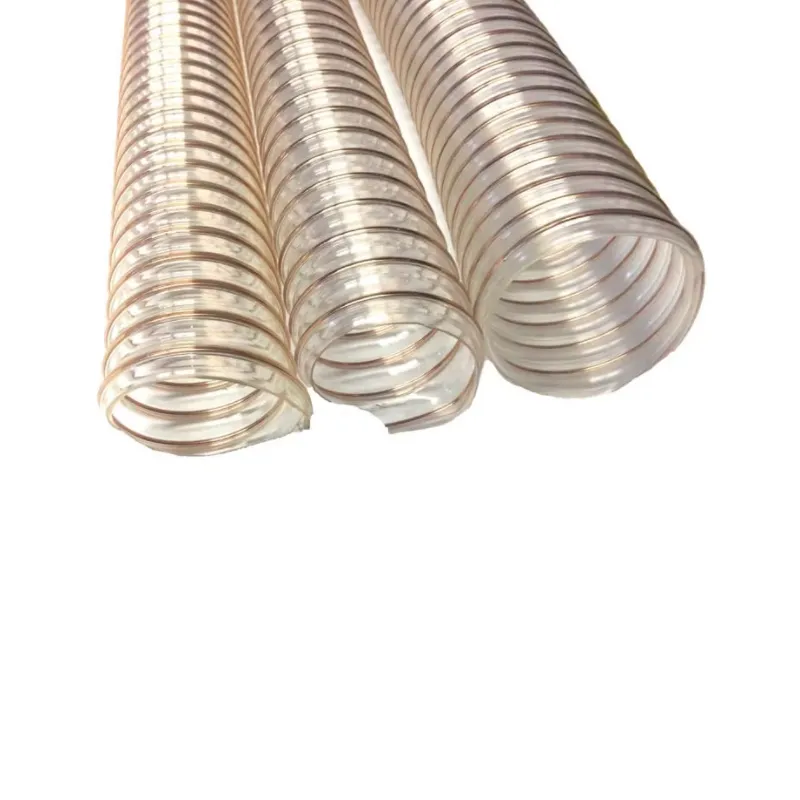
- Diameter and Length Optimization: Tailoring hose dimensions to perfectly fit existing machinery or ducting systems, minimizing pressure drops and improving airflow efficiency.
- Specific Wall Thicknesses: Adjusting the wall gauge to enhance abrasion resistance for extremely aggressive media or to increase flexibility for robotic applications.
- Special Material Blends: Developing custom TPU compounds with enhanced chemical resistance (e.g., to specific acids or solvents), improved flame retardancy, or even higher temperature ratings beyond standard specifications.
- Integrated Fittings and Cuffs: Pre-attaching factory-installed cuffs, flanges, or quick-connect fittings to ensure a leak-proof and conductive connection, simplifying on-site installation.
- Color Coding: Manufacturing hoses in specific colors for easy identification in complex systems or for aesthetic alignment with equipment, going beyond standard black vacuum hose or blue vacuum hose.
Application Case Studies: Real-World Impact
These case studies illustrate the tangible benefits and critical importance of implementing a high-quality anti static vacuum hose in diverse industrial settings.
Case Study 1: Preventing Explosions in a Pharmaceutical Powder Processing Plant
Client: A leading pharmaceutical manufacturer specializing in fine powder drug production.
Challenge: The plant was experiencing intermittent static discharge events during the pneumatic transfer of highly combustible pharmaceutical excipients (powders) through their existing PVC vacuum hose system. This posed a severe explosion risk in an ATEX Zone 21 environment and caused concerns regarding product contamination due to static cling.
Solution: We recommended replacing all existing transfer hoses with our specialized PU anti static vacuum hose, certified to ATEX standards for electrical resistance (surface resistivity < 10^9 Ohm). The hoses were integrated with grounding clamps to ensure a complete conductive path.
Result: Post-installation, the plant reported a complete elimination of static discharge incidents. The improved material flow due to reduced static cling also increased transfer efficiency by 15%, leading to significant operational savings and enhanced safety compliance. The client praised the reliability and durability of the hoses, noting their superior performance compared to previous solutions.
Case Study 2: Extending Service Life in Abrasive Wood Dust Extraction
Client: A large custom cabinetry manufacturer with extensive woodworking machinery.
Challenge: The client faced constant hose replacement due to severe abrasion from wood chips and sawdust in their dust collection system. Their standard vacuum hose failed frequently, leading to costly downtime and increased maintenance. Furthermore, static build-up on non-conductive hoses posed a fire hazard from ignited dust.
Solution: We supplied a thicker-walled (1.5mm) PU anti static vacuum hose, specifically designed for high abrasion resistance and consistent static dissipation. The inherent robustness of PU combined with the smooth inner wall minimized frictional wear.
Result: The service life of the hoses increased by over 300% compared to their previous solutions, drastically reducing replacement frequency and maintenance costs. The integrated anti-static properties also addressed the fire hazard concerns, providing a safer working environment. This proved to be a more cost-effective choice than searching for a cheap vacuum hose repeatedly.
Case Study 3: Optimized Material Transfer in Plastic Pellet Conveyance
Client: A plastic injection molding facility.
Challenge: The pneumatic conveying lines for plastic pellets frequently experienced blockages and static build-up, which caused pellets to stick to hose walls, reducing transfer rates and occasionally leading to system shutdowns. This necessitated regular cleaning and inspection, impacting production schedules.
Solution: We implemented a solution utilizing our highly flexible and transparent PU anti static vacuum hose. The transparency allowed operators to visually monitor material flow, while the anti-static properties prevented pellet adhesion and electrostatic charge build-up.
Result: The client observed an immediate improvement in material flow, with blockages virtually eliminated. The consistency of pellet transfer improved, leading to a 10% increase in overall production throughput. The transparency also enhanced operational oversight. The facility reported a significant reduction in maintenance and cleaning requirements, demonstrating the long-term value of a specialized vacuum hose.
Trustworthiness & Support: FAQ, Lead Time, Warranty
Building trust with B2B clients necessitates transparency in operations, clear commitments, and robust post-sales support. We are dedicated to providing not just high-quality anti static vacuum hose products, but also comprehensive service that instills confidence.
Frequently Asked Questions (FAQ):
Q1: How do I ensure proper grounding of my anti static vacuum hose?
A1: For effective static dissipation, the integrated steel helix must be properly grounded at both ends of the hose assembly. This typically involves using conductive hose cuffs or specific grounding kits that connect the helix to the ground of your system or equipment. Always follow manufacturer guidelines and relevant safety standards (e.g., NFPA, ATEX) for grounding procedures.
Q2: What is the typical service life of a PU anti static vacuum hose?
A2: The service life is highly dependent on the application, material being conveyed, operating temperature, and environmental conditions. However, due to the superior abrasion resistance of polyurethane, our anti-static PU hoses generally offer significantly longer service life compared to PVC or rubber alternatives. Regular inspection and adherence to operational parameters can further extend its lifespan.
Q3: Can these hoses be used with corrosive chemicals?
A3: Our standard PU anti static vacuum hose offers good resistance to many chemicals, oils, and greases. However, for highly aggressive or specific corrosive chemicals, we recommend consulting our technical team with your specific chemical compatibility requirements. We can often provide specialized material blends or alternative hose solutions tailored to your needs.
Q4: Are your hoses ATEX compliant?
A4: Yes, our anti-static PU hoses are designed and manufactured to meet the electrical resistance requirements of ATEX Directive 2014/34/EU, making them suitable for use in environments with explosive atmospheres. Specific documentation and certifications are available upon request to ensure compliance for your designated ATEX zones.
Lead Time & Fulfillment Details:
- Standard Products: For common diameters and lengths of our anti static vacuum hose, typical lead times range from 3-5 business days for ex-stock items to 10-15 business days for larger production runs.
- Customized Solutions: Lead times for custom orders, including specialized materials or unique fittings, are quoted individually based on complexity and volume, generally ranging from 3-6 weeks.
- Expedited Options: We offer expedited manufacturing and shipping options for urgent requirements; please contact our sales team for details and feasibility.
- Global Shipping: We partner with reliable logistics providers to ensure timely and secure delivery worldwide, handling all necessary export documentation.
Warranty Commitments:
All our anti static vacuum hose products are backed by a standard 12-month warranty against manufacturing defects from the date of purchase. This warranty covers material and workmanship under normal use and service. Any claims are subject to inspection and verification by our technical team. We stand behind the quality and performance of our products, ensuring peace of mind for our industrial partners.
Customer Support Information:
Our dedicated customer support and technical sales teams are available to assist with product selection, application engineering, custom quotes, and after-sales service. We pride ourselves on responsive and knowledgeable support:
- Technical Consultation: Our engineers provide expert guidance to ensure you select the optimal vacuum hose solution for your specific operational challenges.
- Dedicated Account Management: For B2B clients, we offer personalized account management to streamline communication and support long-term partnerships.
- Responsive Communication: We commit to responding to all inquiries within one business day, understanding the urgency of industrial operations.
Conclusion
The strategic integration of an advanced anti static vacuum hose is not merely a component choice but a fundamental investment in operational safety, efficiency, and longevity across various industrial sectors. From mitigating explosion risks in hazardous environments to enhancing material flow and extending the lifespan of critical equipment, the technical advantages of these specialized hoses are undeniable. By adhering to rigorous manufacturing standards, providing extensive customization, and backing products with robust support, reputable manufacturers ensure that B2B clients receive solutions that not only meet but exceed their stringent operational demands.
The continuous evolution of industrial safety standards and material handling complexities further underscores the imperative of choosing high-performance, certified anti-static hose technologies. This ensures a safer, more productive, and compliant industrial future.
References:
- ASTM D257-14, Standard Test Methods for DC Resistance or Conductance of Insulating Materials.
- DIN EN ISO 8031:2009, Rubber and plastics hoses and hose assemblies - Methods of assessment of ozone resistance, electrical resistance, and pressure surge resistance.
- ATEX Directive 2014/34/EU, on the harmonisation of the laws of the Member States relating to equipment and protective systems intended for use in potentially explosive atmospheres.
- National Fire Protection Association (NFPA) 652: Standard on Fundamentals of Combustible Dust.
Latest News
Steel Wire Reinforced Hydraulic Hose SAE 100 R1 / EN853 1SN S
NewsOct.17,2024
Two Layers Steel Wire Reinforced Hydraulic Hose SAE 100 R2 / EN853 2SN
NewsSep.03,2024
Textile Braid Reinforced Hydraulic Hose SAE100 R3+R6
NewsSep.03,2024
Textile Reinforced Hydraulic oil Suction Hose with embedded Steel Wire SAE 100 R4
NewsSep.03,2024
Single Wire Braid and Textile Covered Hydraulic Hose SAE 100 R5
NewsSep.03,2024
High Pressure Thermoplastic Hydraulic Hose SAE 100 R7 / EN855 R7 - SAE 100 R8 / EN855 R8
NewsSep.03,2024
Heavy Duty Four-layer Steel Wire Spiral Reinforced Hydraulic Hose SAE100R9+R10+R12
NewsSep.03,2024
Heavy Duty Multi-layer Steel Wire Reinforced Hydraulic Hose SAE100R13 SAE100R15
NewsSep.03,2024
Latest Products
-
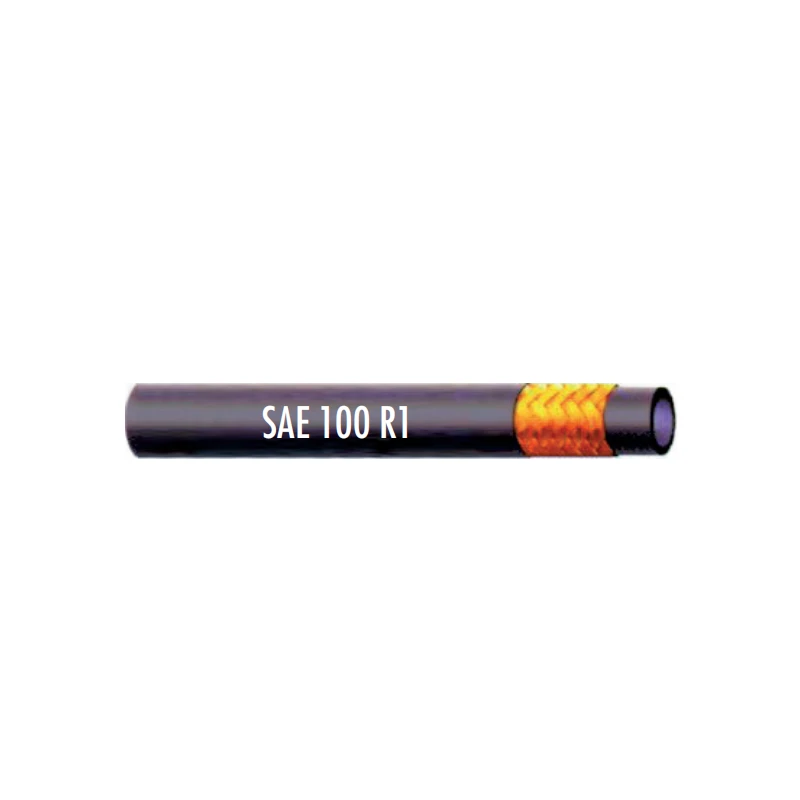
Steel Wire Reinforced Hydraulic Hose SAE 100 R1 / EN853 1SN S
-
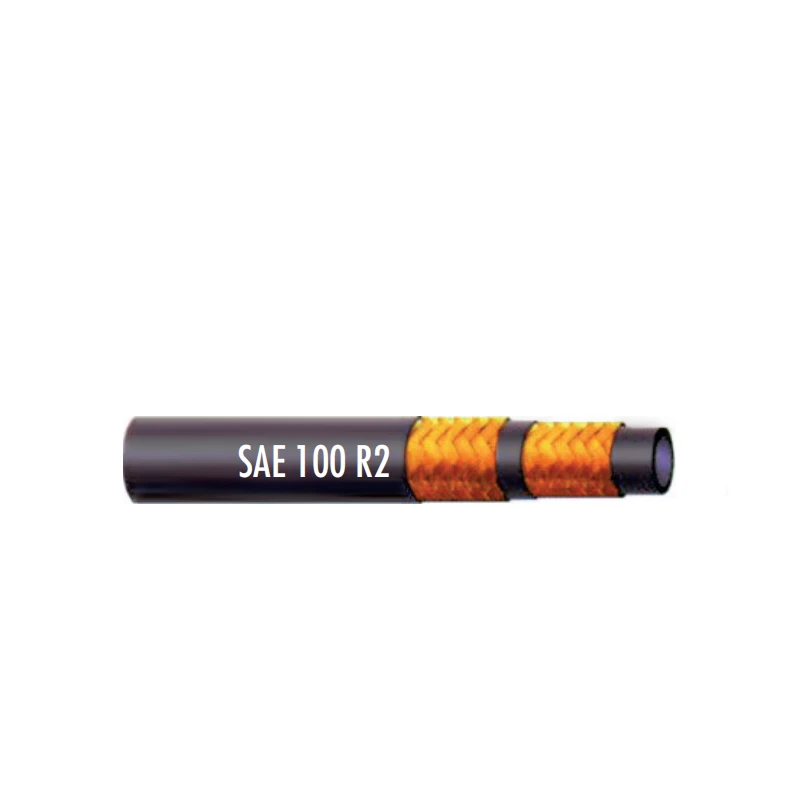
Two Layers Steel Wire Reinforced Hydraulic Hose SAE 100 R2 / EN853 2SN
-
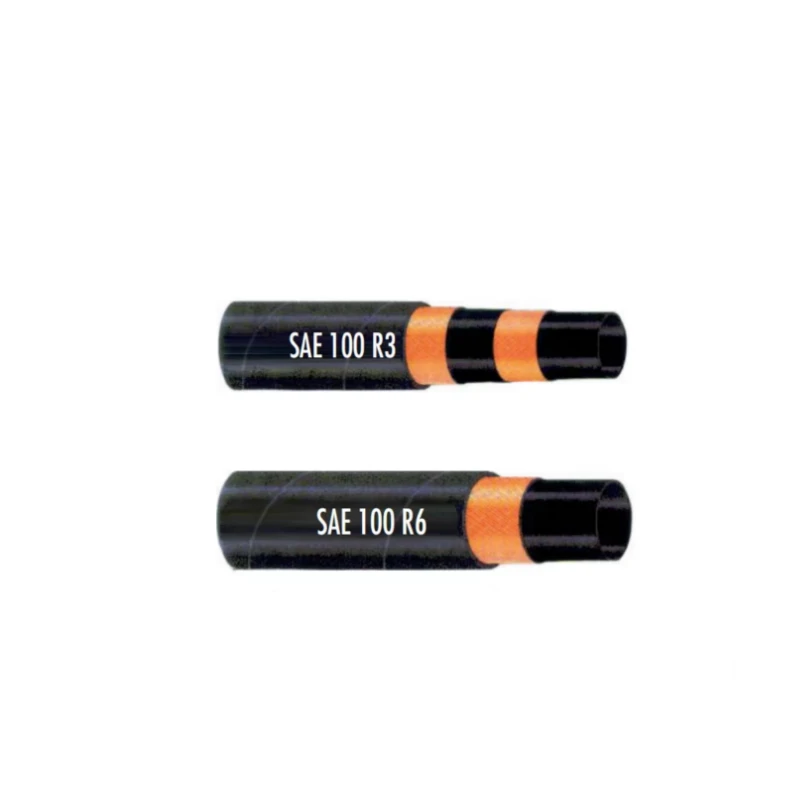
-
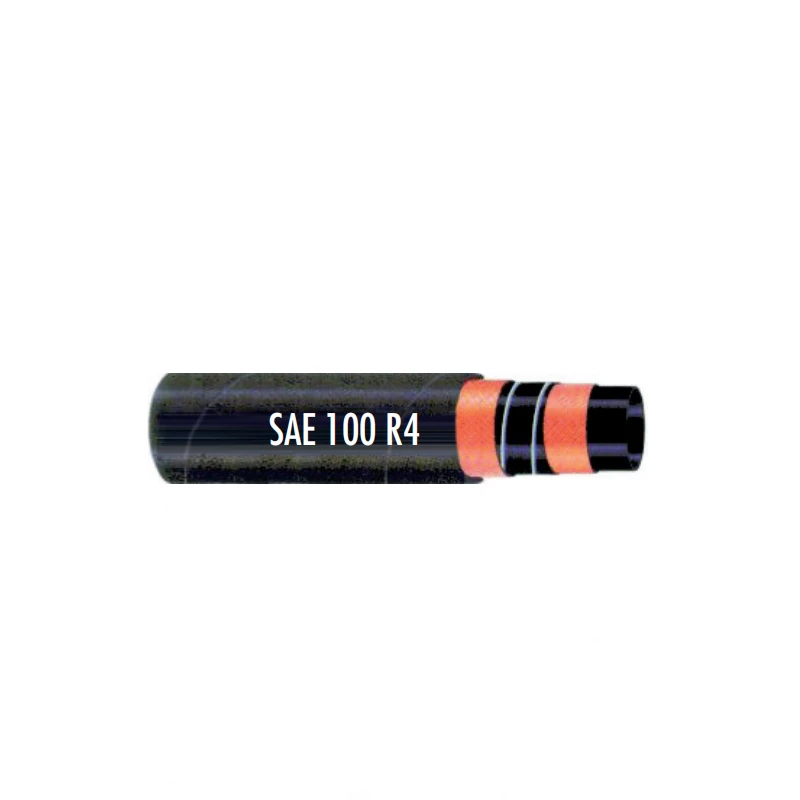
Textile Reinforced Hydraulic oil Suction Hose with embedded Steel Wire SAE 100 R4
-
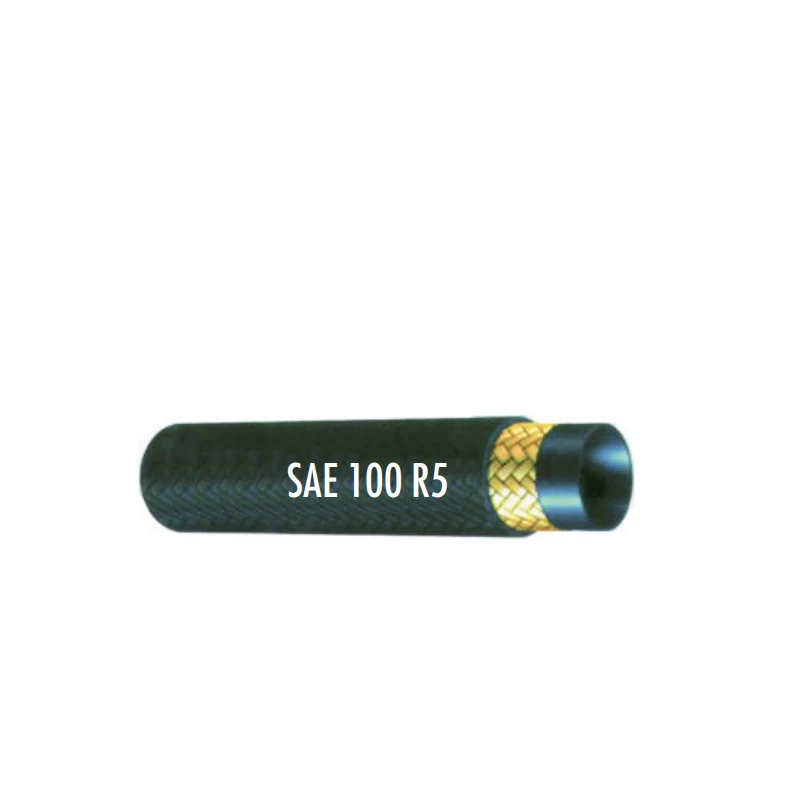
Single Wire Braid and Textile Covered Hydraulic Hose SAE 100 R5
-
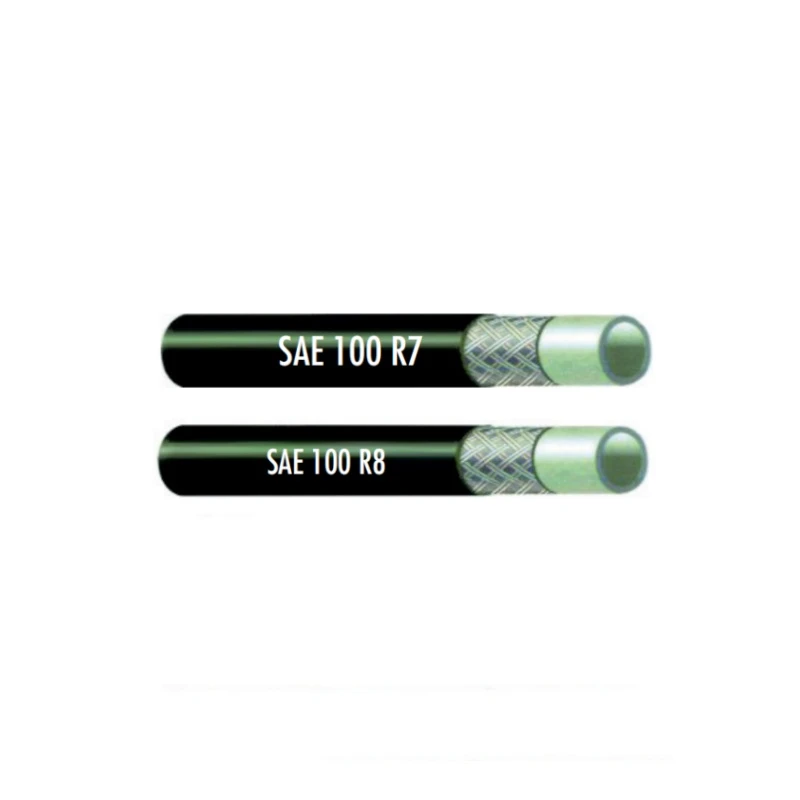
High Pressure Thermoplastic Hydraulic Hose SAE 100 R7 / EN855 R7 - SAE 100 R8 / EN855 R8
-
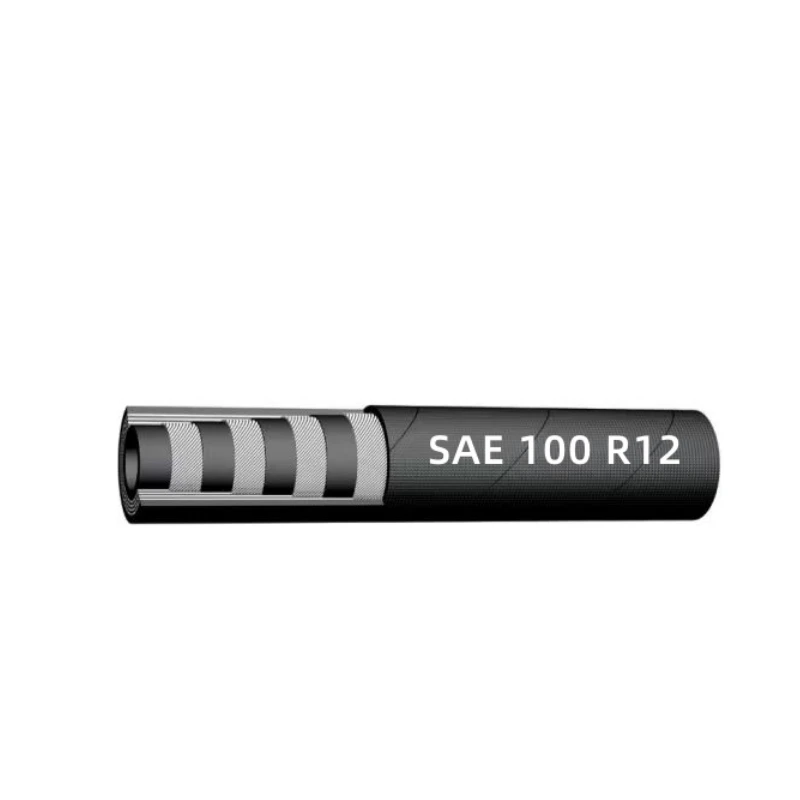
Heavy Duty Four-layer Steel Wire Spiral Reinforced Hydraulic Hose SAE100R9+R10+R12
-
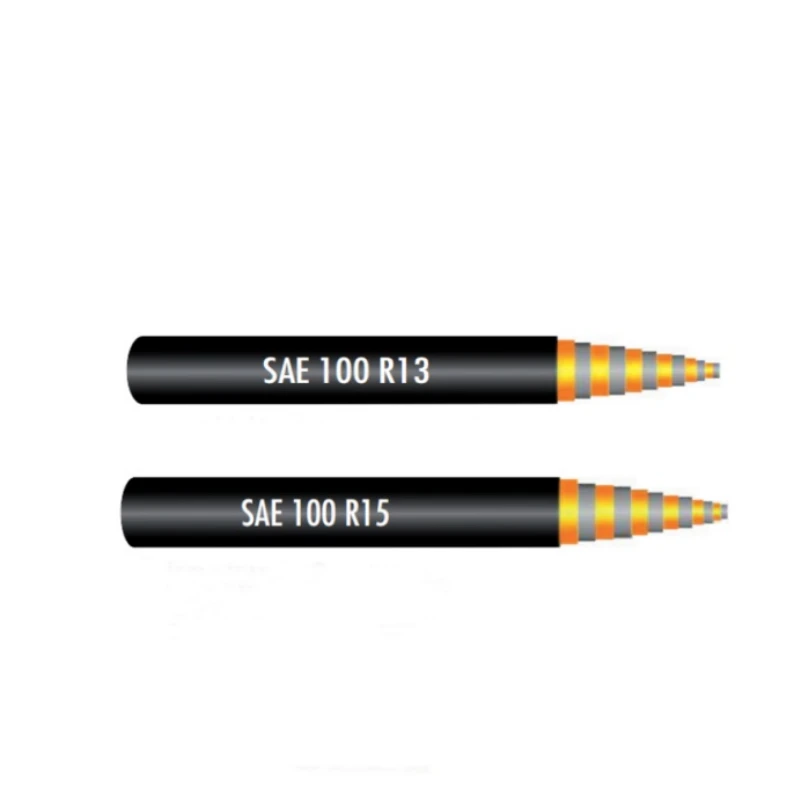
Heavy Duty Multi-layer Steel Wire Reinforced Hydraulic Hose SAE100R13 SAE100R15


