

Apr . 16, 2026 02:15 Back to list
Professional Guide to Finding High Quality Industrial Hose for Sale
Finding the Right Industrial Hose for Sale: A Professional Buyer's Guide
In the demanding world of fluid handling and material transfer, selecting the correct equipment is not just about cost—it is about safety, efficiency, and longevity. When searching for a high-quality industrial hose for sale, procurement managers and engineers must balance material compatibility with environmental pressures. Whether you are dealing with abrasive slurries, volatile chemicals, or high-pressure steam, the integrity of your hose determines the uptime of your entire operation. This guide provides a deep dive into the technical aspects of industrial hoses to help you make an informed investment for your facility.
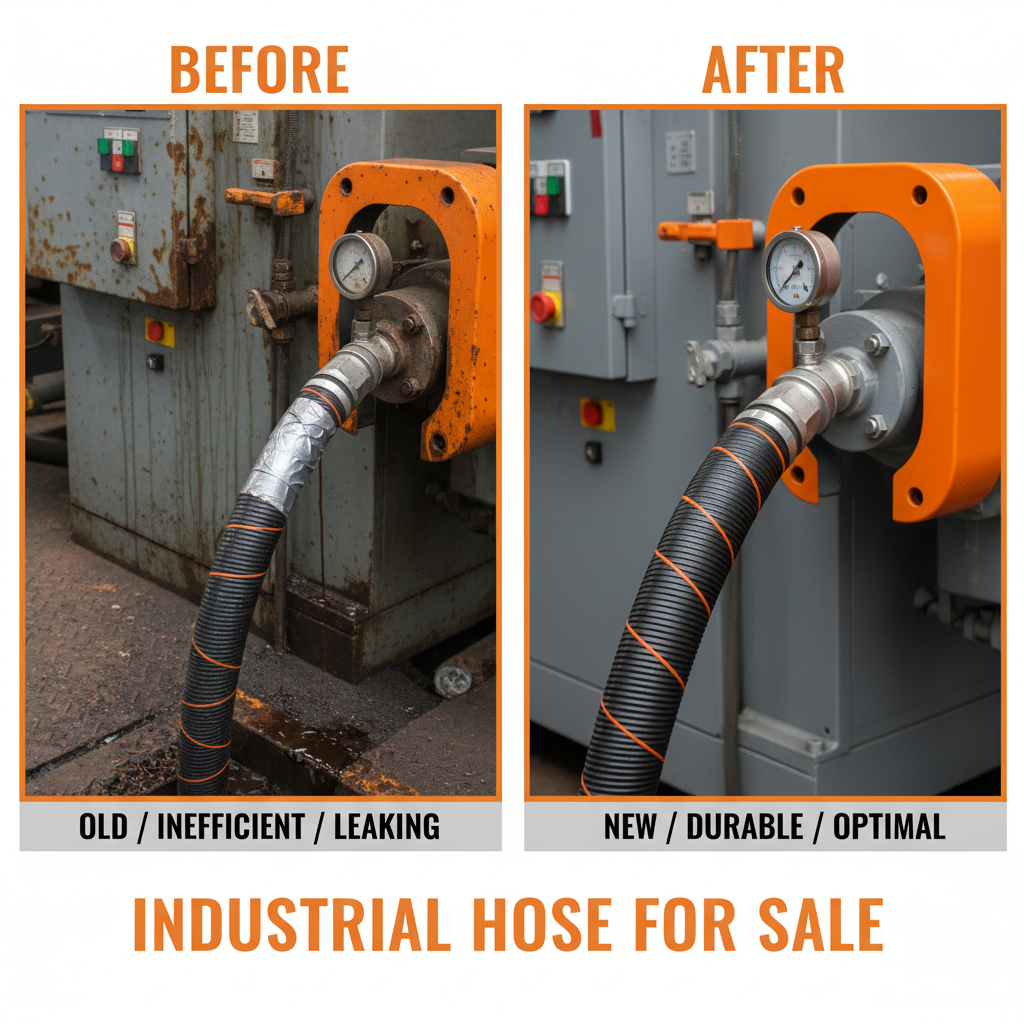
Understanding Material Composition in Industrial Hoses
The core of any industrial hose for sale is its material composition. Most high-performance hoses consist of three layers: the inner tube, the reinforcement layer, and the outer cover. The inner tube must be chemically compatible with the medium being transported to prevent degradation. Reinforcement, typically made of high-tensile textile or steel wire, provides the necessary burst pressure resistance. Finally, the cover protects the hose from external abrasion, UV rays, and ozone. Choosing a hose with a reinforced PVC or nitrile rubber cover can significantly extend the product's life in harsh outdoor environments.
Pro Tip: Always verify the ST (Standard) rating or working pressure of the hose to ensure it exceeds your system's maximum surge pressure by at least 20% for a safety margin.
Comparing Types of Industrial Hose for Sale
Not all hoses are created equal. Depending on the application—whether it's suction, discharge, or chemical transfer—the specifications vary wildly. For instance, suction hoses require a rigid helix to prevent collapse under vacuum, while discharge hoses focus on flexibility and pressure resistance. When browsing any industrial hose for sale, comparing these technical attributes is essential to avoid premature failure and costly downtime.
Critical Factors When Selecting an Industrial Hose for Sale
When you evaluate a potential industrial hose for sale, you should use the "STAMPED" method. This industry-standard acronym ensures no detail is overlooked: Size (diameter and length), Temperature (internal and external), Application (how it's used), Material (chemical compatibility), Pressure (working and burst), Ends (coupling types), and Delivery (volume/flow rate). Ignoring any of these variables can lead to catastrophic hose failure, which poses a significant risk to personnel and equipment.
Industry Applications and Performance Standards
From oil and gas refineries to pharmaceutical laboratories, the application of an industrial hose for sale varies. In mining, abrasion resistance is the priority to handle gritty minerals. In food processing, sterility and FDA compliance are non-negotiable. The performance is typically measured by the hose's ability to maintain a steady flow rate without excessive pressure drop. High-quality hoses are tested for leakages and burst points under extreme conditions to ensure they meet international ISO or SAE standards.
Technical Specifications for High-Pressure Systems
For those seeking a heavy-duty industrial hose for sale, understanding the pressure-temperature relationship is key. As temperature increases, the pressure-bearing capacity of the hose material typically decreases. Below is a general specification table for standard industrial-grade reinforced hoses, providing a benchmark for your procurement process.
Maintenance and Life Cycle Management
Buying an industrial hose for sale is only the first step. To maximize your return on investment, a rigorous maintenance schedule is required. Regular inspections should look for "bubbling" on the cover, which indicates the reinforcement is failing, or "kinking," which can restrict flow and create dangerous pressure spikes. Implementing a tracking system to log the installation date and usage hours allows for preemptive replacement, shifting your operation from reactive repair to proactive maintenance.
Conclusion: Choosing Quality Over Price
When looking for an industrial hose for sale, the temptation to choose the cheapest option is high. However, the cost of a single hose failure—measured in lost production, environmental cleanup, or workplace injury—far outweighs the initial savings. By focusing on material compatibility, adhering to the STAMPED selection method, and partnering with a reputable supplier, you ensure the safety and efficiency of your industrial processes. Invest in quality, and your infrastructure will reward you with reliability.
Frequently Asked Questions (FAQs)
How do I determine the correct size for an industrial hose?
Determining the correct size involves analyzing the required flow rate and the permissible pressure drop. A hose that is too small will increase friction and force your pumps to work harder, leading to energy waste and premature wear. Conversely, an oversized hose may cause the fluid to move too slowly, which can be problematic for certain chemicals that require a minimum velocity to prevent sedimentation. We recommend calculating your gallons-per-minute (GPM) requirements and matching them with the inner diameter (ID) specifications provided by the manufacturer.
What is the difference between a suction hose and a discharge hose?
The fundamental difference lies in the structural reinforcement. A suction hose is designed to withstand external pressure (vacuum), meaning it must have a rigid internal support, such as a PVC or steel wire helix, to prevent the hose from collapsing inward. A discharge hose is designed to withstand internal pressure pushing outward; therefore, it focuses more on tensile strength in the reinforcement layer to prevent bursting. While some "suction and discharge" hoses exist, they are typically a compromise in performance compared to specialized versions.
How can I tell if my industrial hose needs to be replaced?
There are several critical warning signs. First, check for external wear: any deep cuts, abrasions, or "bubbles" in the outer cover indicate a compromise in the structural integrity. Second, check the couplings: leaking at the ends often suggests the hose material is shrinking or the fitting is loosening. Third, check for stiffness: if a flexible hose becomes brittle or rigid, it has likely suffered from UV degradation or chemical attack. For high-pressure systems, we recommend a scheduled replacement every 2-5 years regardless of appearance to ensure a maximum safety margin.
Are all PVC industrial hoses compatible with oil?
No, standard PVC is not compatible with most petroleum-based oils and fuels; it will soften, swell, and eventually dissolve. If you are looking for an industrial hose for sale for oil transfer, you must specify "Oil-Resistant" materials such as Nitrile (NBR) or specialized polyurethane. Always request a chemical compatibility chart from the supplier to ensure the inner tube material will not react with your specific medium, as this is the most common cause of unexpected hose failure.
Latest News
Steel Wire Reinforced Hydraulic Hose SAE 100 R1 / EN853 1SN S
NewsOct.17,2024
Two Layers Steel Wire Reinforced Hydraulic Hose SAE 100 R2 / EN853 2SN
NewsSep.03,2024
Textile Braid Reinforced Hydraulic Hose SAE100 R3+R6
NewsSep.03,2024
Textile Reinforced Hydraulic oil Suction Hose with embedded Steel Wire SAE 100 R4
NewsSep.03,2024
Single Wire Braid and Textile Covered Hydraulic Hose SAE 100 R5
NewsSep.03,2024
High Pressure Thermoplastic Hydraulic Hose SAE 100 R7 / EN855 R7 - SAE 100 R8 / EN855 R8
NewsSep.03,2024
Heavy Duty Four-layer Steel Wire Spiral Reinforced Hydraulic Hose SAE100R9+R10+R12
NewsSep.03,2024
Heavy Duty Multi-layer Steel Wire Reinforced Hydraulic Hose SAE100R13 SAE100R15
NewsSep.03,2024
Latest Products
-
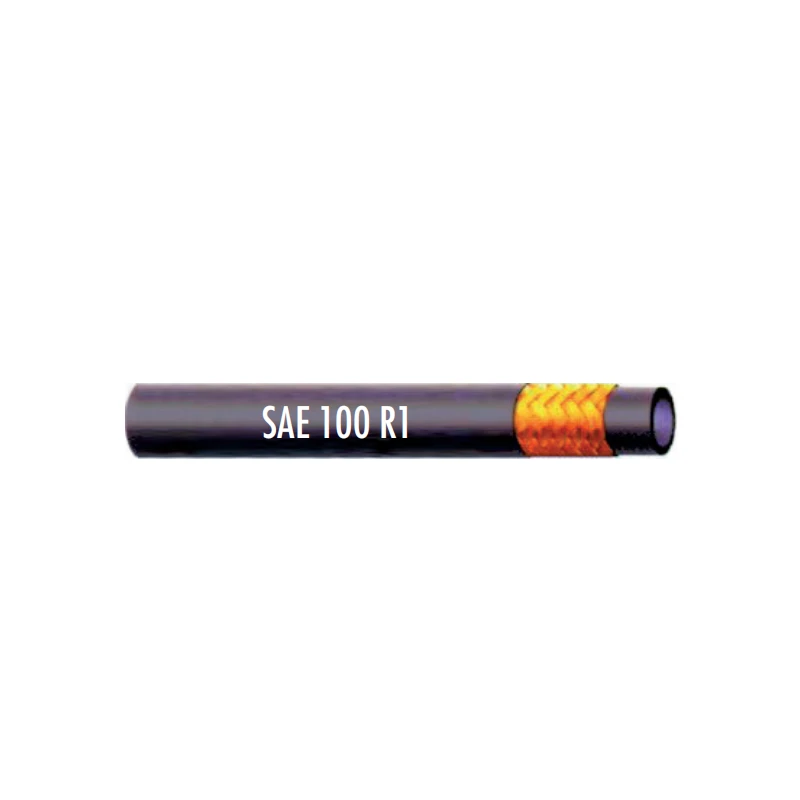
Steel Wire Reinforced Hydraulic Hose SAE 100 R1 / EN853 1SN S
-
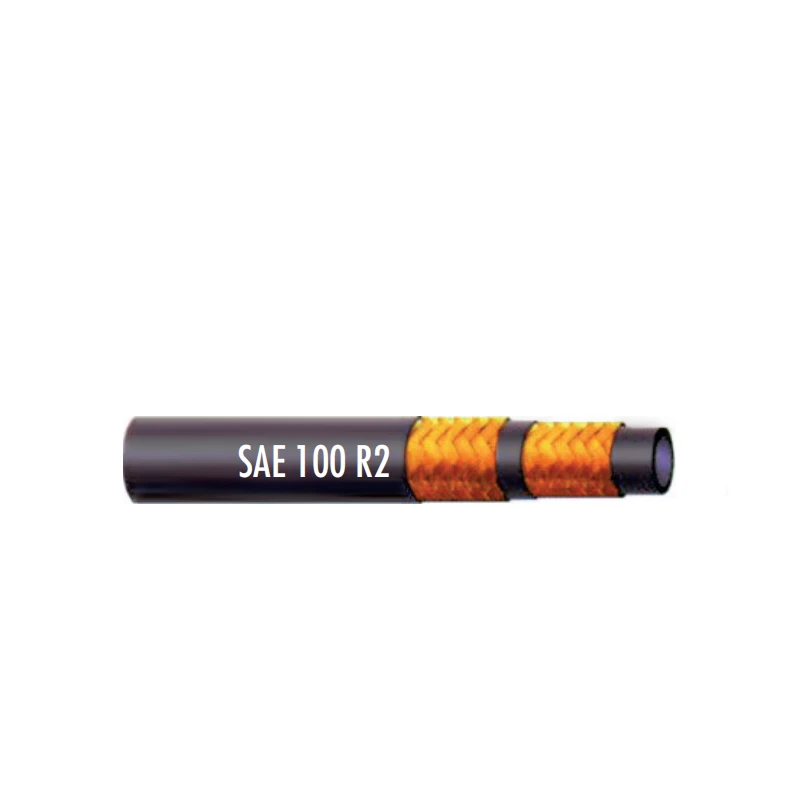
Two Layers Steel Wire Reinforced Hydraulic Hose SAE 100 R2 / EN853 2SN
-
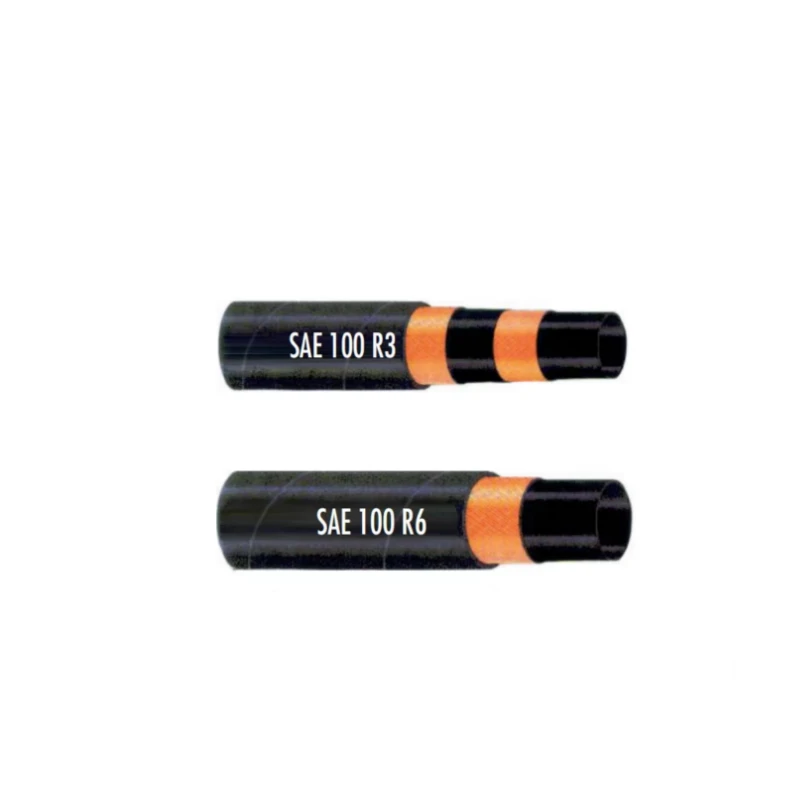
-
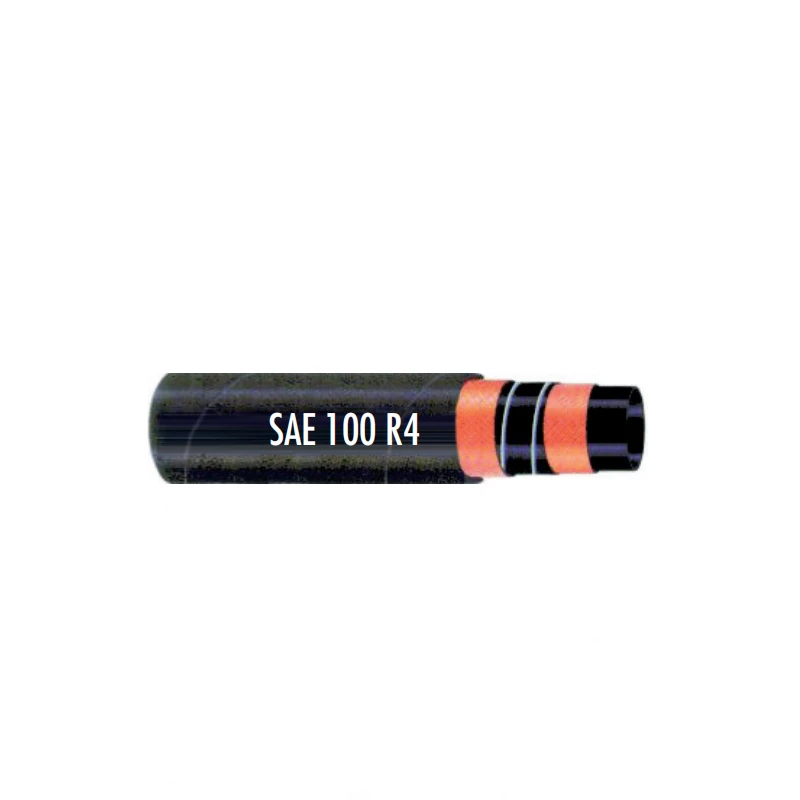
Textile Reinforced Hydraulic oil Suction Hose with embedded Steel Wire SAE 100 R4
-
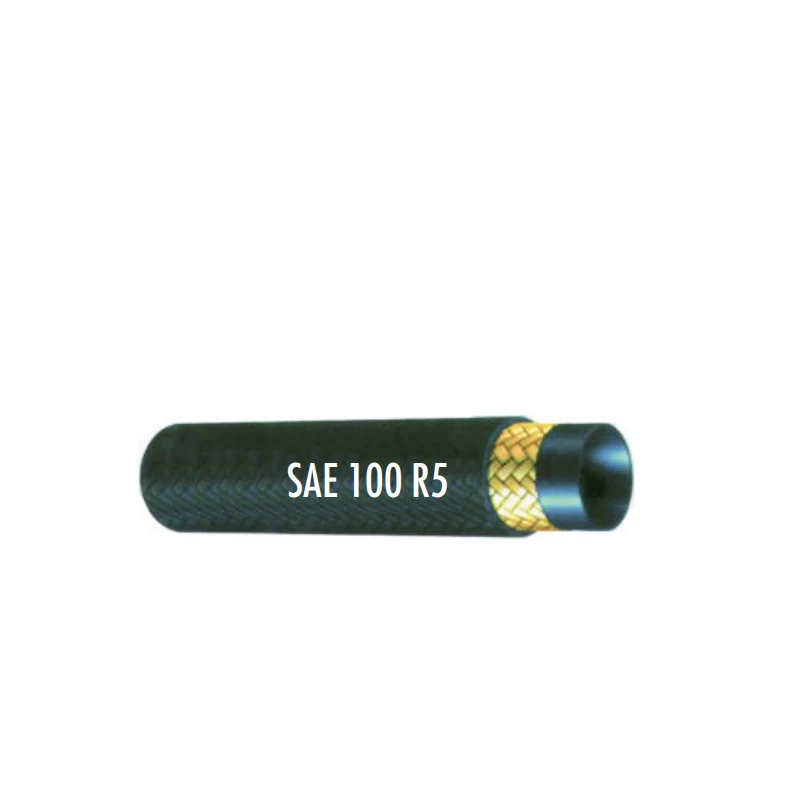
Single Wire Braid and Textile Covered Hydraulic Hose SAE 100 R5
-
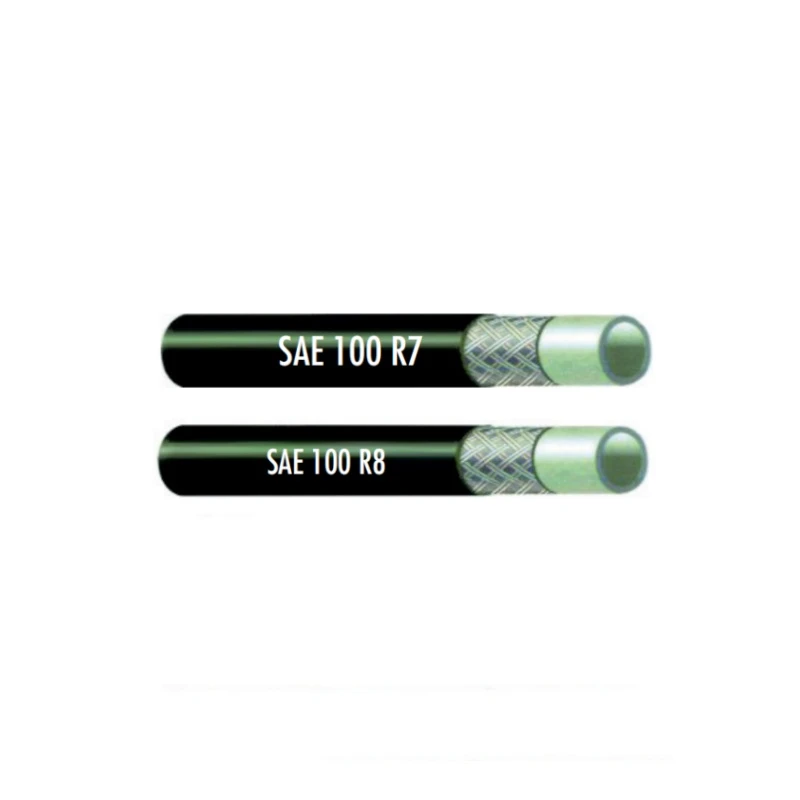
High Pressure Thermoplastic Hydraulic Hose SAE 100 R7 / EN855 R7 - SAE 100 R8 / EN855 R8
-
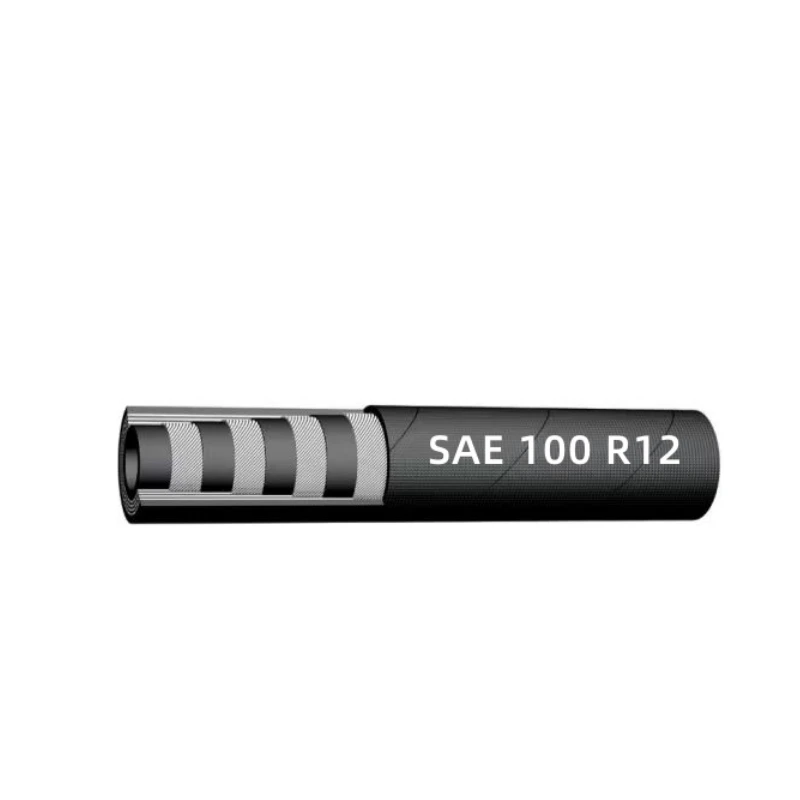
Heavy Duty Four-layer Steel Wire Spiral Reinforced Hydraulic Hose SAE100R9+R10+R12
-
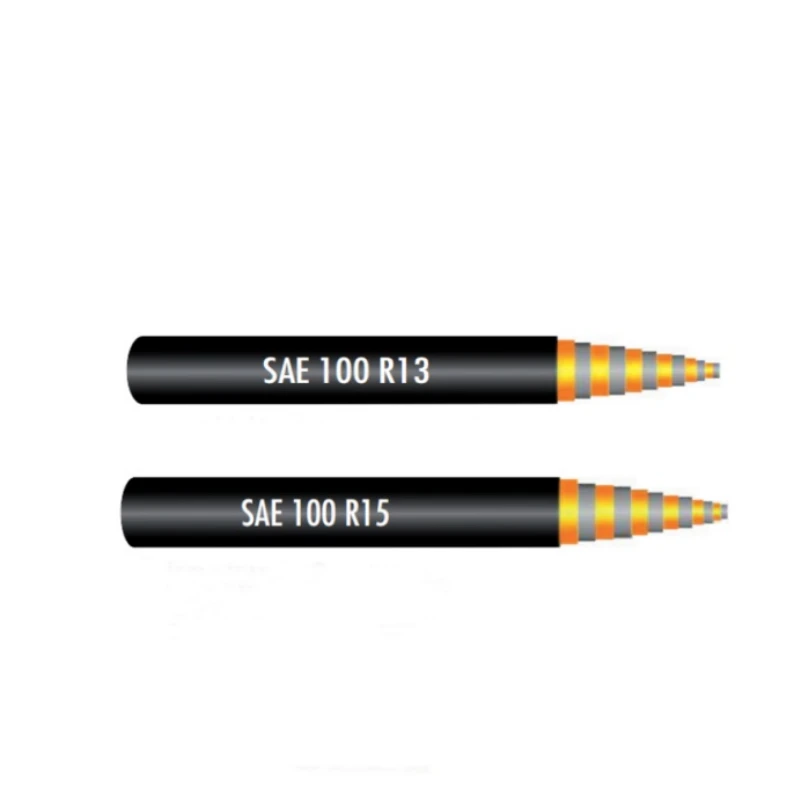
Heavy Duty Multi-layer Steel Wire Reinforced Hydraulic Hose SAE100R13 SAE100R15


