

Apr . 09, 2026 02:15 Back to list
Premium Industrial Rubber Water Hoses for Sale and Buying Guide
Premium Rubber Water Hoses for Sale: The Ultimate Buying Guide
Finding the right equipment for fluid transfer can be the difference between operational efficiency and costly downtime. When searching for high-quality rubber water hoses for sale, it is essential to consider factors such as pressure ratings, material durability, and environmental resistance. Whether you are managing a large-scale agricultural project, an industrial plant, or specialized construction work, a professional-grade rubber hose ensures a leak-proof and long-lasting solution. In this guide, we will explore the technical nuances of rubber hoses and help you identify the best options available on the market to maximize your investment.
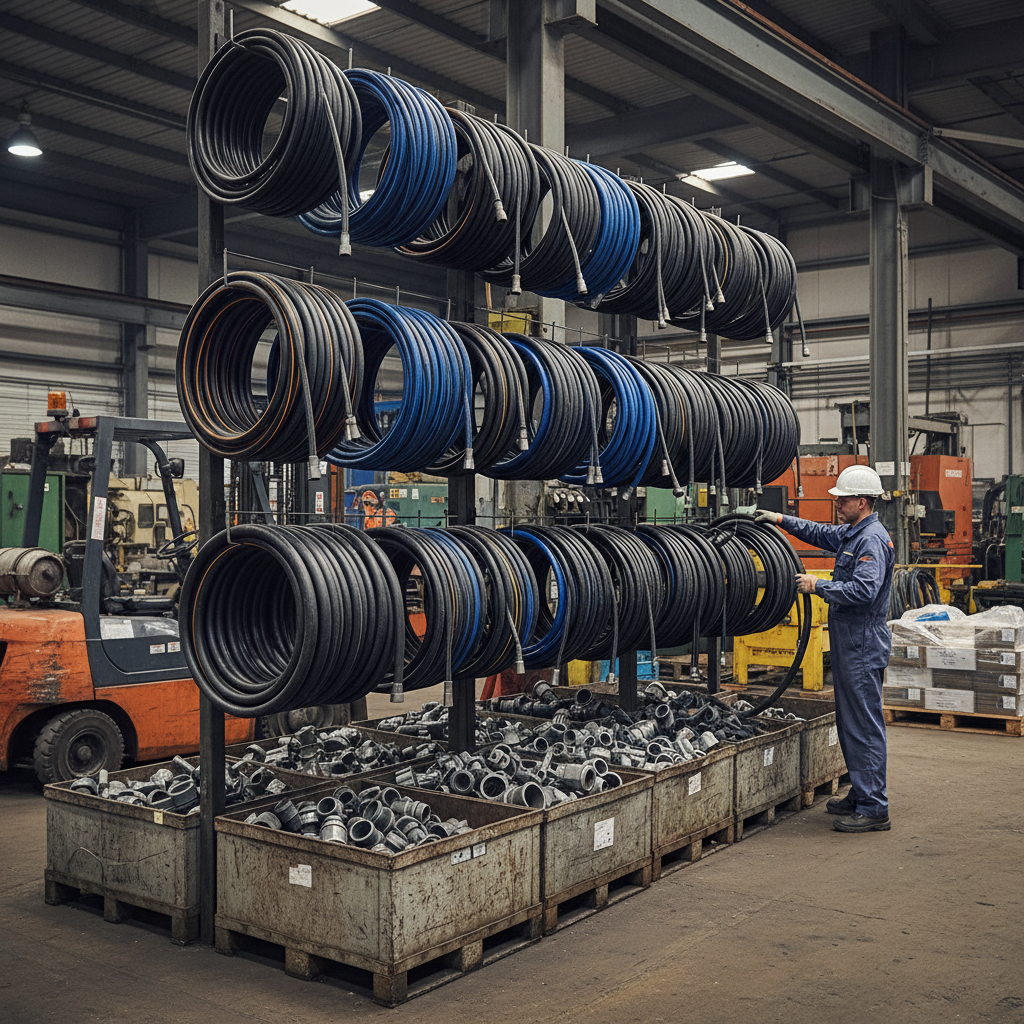
Why Choose Professional Rubber Water Hoses?
Unlike PVC or plastic alternatives, rubber hoses offer superior flexibility and resilience. They are engineered to withstand extreme temperature fluctuations and high-pressure surges without cracking or bursting. The inherent properties of high-grade rubber provide an excellent barrier against UV radiation and ozone, which typically degrade cheaper materials over time. When you browse rubber water hoses for sale, you are investing in a product that reduces the frequency of replacements and minimizes the risk of onsite accidents caused by hose failure.
Industry Insight: High-quality EPDM rubber is often the preferred choice for water applications due to its exceptional resistance to heat, oxidation, and weathering, making it ideal for outdoor industrial use.
Key Specifications for Rubber Water Hoses for Sale
To make an informed purchase, you must understand the technical specifications that define a hose's performance. The Working Pressure (WP) and Burst Pressure are the most critical metrics. A high safety factor ensures that the hose can handle unexpected spikes in pressure. Additionally, the internal diameter (ID) must be matched to your pump's output to prevent friction loss and maintain optimal flow rates. When looking at rubber water hoses for sale, always verify the reinforcement layer—whether it is a textile braid or a spiral wire—as this determines the hose's structural integrity.
Comparing Rubber vs. PVC Water Hoses
When evaluating rubber water hoses for sale, many buyers compare them with PVC. While PVC is lighter and often cheaper, it lacks the thermal stability of rubber. PVC hoses tend to become stiff in cold weather and may soften or warp under high heat. Rubber, conversely, remains pliable across a wide temperature spectrum, making it indispensable for seasonal outdoor work. Furthermore, the abrasion resistance of rubber is significantly higher, meaning it can be dragged across concrete or rocky terrain without wearing through the outer cover.
Common Applications for Rubber Water Hoses
The versatility of rubber water hoses allows them to be used in various demanding sectors. In mining and construction, they are used for Dewatering and slurry transport where high abrasion resistance is mandatory. In agriculture, they provide reliable irrigation solutions that can withstand exposure to pesticides and fertilizers. Additionally, the marine industry relies on these hoses for bilge pumping and deck wash-downs due to their salt-water corrosion resistance. Investing in the right rubber water hoses for sale ensures that your specific application's needs are met without compromise.
Top Use Cases:
• Industrial cooling systems and water circulation
• High-pressure washing and sanitation
• Temporary water bypass lines in municipal works
• Agricultural irrigation and livestock watering
Maintenance Tips to Extend Hose Lifespan
Even the best rubber water hoses for sale require proper care to reach their maximum lifespan. First, always avoid tight bends or "kinking," which can weaken the reinforcement layer and lead to premature failure. Second, after use, drain the hose completely to prevent stagnant water from causing internal buildup or freezing during winter. Finally, store your hoses in a cool, shaded area when not in use; while rubber is UV resistant, extreme prolonged exposure to direct sunlight can eventually lead to surface oxidation. Regular inspections for bulges or cuts will help you replace sections before a catastrophic burst occurs.
How to Select the Right Supplier for Rubber Hoses
Selecting a supplier is just as important as selecting the product. A reputable manufacturer should provide detailed technical data sheets, certifications of compliance, and warranty information. Be wary of overly cheap options that lack clear specifications, as these often use recycled rubber with inconsistent properties. A professional supplier will offer customization options, such as specific coupling types (Camlock, Bauer, or threaded) and custom lengths. By choosing a partner like JY Hose, you ensure that you receive industrial-grade products designed for the rigors of modern trade and transport.
Conclusion: Optimizing Your Flow with Quality Rubber Hoses
Investing in high-quality rubber water hoses for sale is a strategic move for any business prioritizing reliability and safety. From their unmatched flexibility to their resistance against harsh environments, professional rubber hoses outperform cheaper alternatives in every critical metric. By focusing on technical specifications and proper maintenance, you can ensure a seamless fluid transfer process that lasts for years. Upgrade your infrastructure today with durable, high-performance rubber solutions.
Frequently Asked Questions (FAQs)
What is the difference between EPDM and Nitrile rubber hoses?
EPDM rubber is specifically designed for water, steam, and weather resistance, making it the gold standard for general water transfer and outdoor exposure. Nitrile rubber, on the other hand, is engineered for oil and fuel resistance. If your water application involves contact with oils or petroleum-based chemicals, a Nitrile-blend hose is necessary. For pure water applications, EPDM is more cost-effective and provides superior UV protection. Always check the material composition when browsing rubber water hoses for sale to ensure the chemical compatibility of the hose with the medium being transported.
How do I determine the correct hose diameter for my water pump?
The hose diameter should generally match the discharge outlet of your pump. Using a hose that is too small increases backpressure, which can strain the pump motor and reduce the flow rate (GPM). Conversely, a hose that is significantly larger than the outlet may cause a drop in pressure and velocity, which can be problematic for certain applications. For most industrial setups, matching the Internal Diameter (ID) exactly is the most efficient route. If you are unsure, consult with the technical team at JY Hose to calculate the optimal flow dynamics for your specific system.
Can these rubber hoses be used for drinking water?
Not all rubber hoses are suitable for potable water. For drinking water, you must ensure the hose is "Food Grade" or "FDA Approved," meaning it does not leach harmful chemicals or odors into the water. Industrial rubber hoses are designed for strength and durability in construction or mining and may contain compounds not suitable for human consumption. When looking for rubber water hoses for sale, clearly specify if the application is for potable water so the supplier can provide a non-toxic, certified material.
What is the "Burst Pressure" and why does it matter?
Burst pressure is the maximum pressure at which a hose will physically fail and rupture. This is different from the "Working Pressure," which is the safe limit for daily operation. A high burst-to-working pressure ratio (often 3:1 or 4:1) provides a critical safety margin. This ensures that if there is a sudden valve closure or a pump surge (water hammer effect), the hose will not explode, protecting both the equipment and the personnel nearby. Always prioritize hoses with a certified safety factor when ordering industrial-grade equipment.
Latest News
Steel Wire Reinforced Hydraulic Hose SAE 100 R1 / EN853 1SN S
NewsOct.17,2024
Two Layers Steel Wire Reinforced Hydraulic Hose SAE 100 R2 / EN853 2SN
NewsSep.03,2024
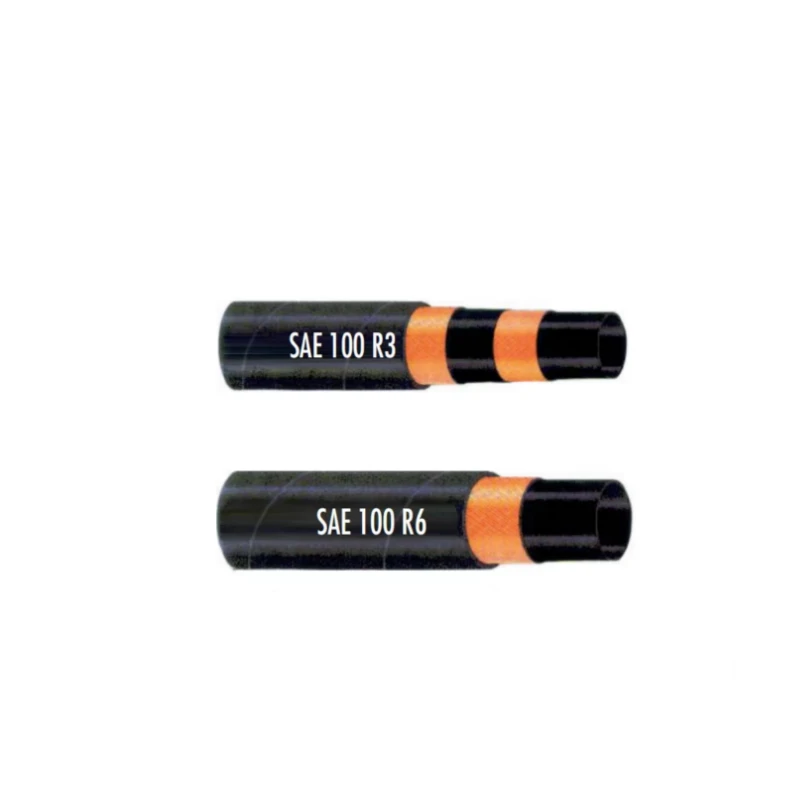
Textile Braid Reinforced Hydraulic Hose SAE100 R3+R6
NewsSep.03,2024
Textile Reinforced Hydraulic oil Suction Hose with embedded Steel Wire SAE 100 R4
NewsSep.03,2024
Single Wire Braid and Textile Covered Hydraulic Hose SAE 100 R5
NewsSep.03,2024
High Pressure Thermoplastic Hydraulic Hose SAE 100 R7 / EN855 R7 - SAE 100 R8 / EN855 R8
NewsSep.03,2024
Heavy Duty Four-layer Steel Wire Spiral Reinforced Hydraulic Hose SAE100R9+R10+R12
NewsSep.03,2024
Heavy Duty Multi-layer Steel Wire Reinforced Hydraulic Hose SAE100R13 SAE100R15
NewsSep.03,2024
Latest Products
-
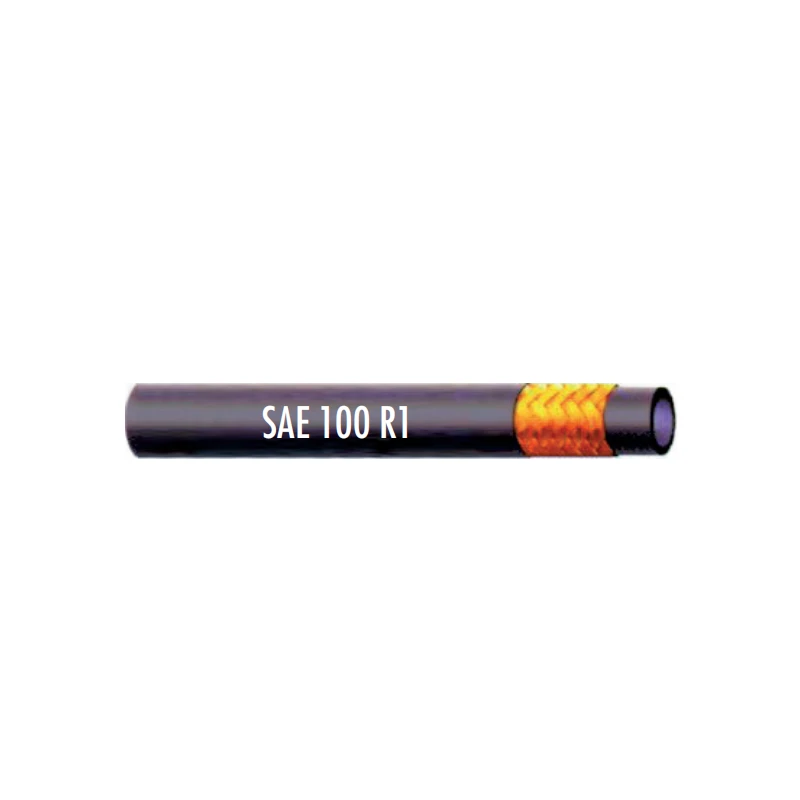
Steel Wire Reinforced Hydraulic Hose SAE 100 R1 / EN853 1SN S
-
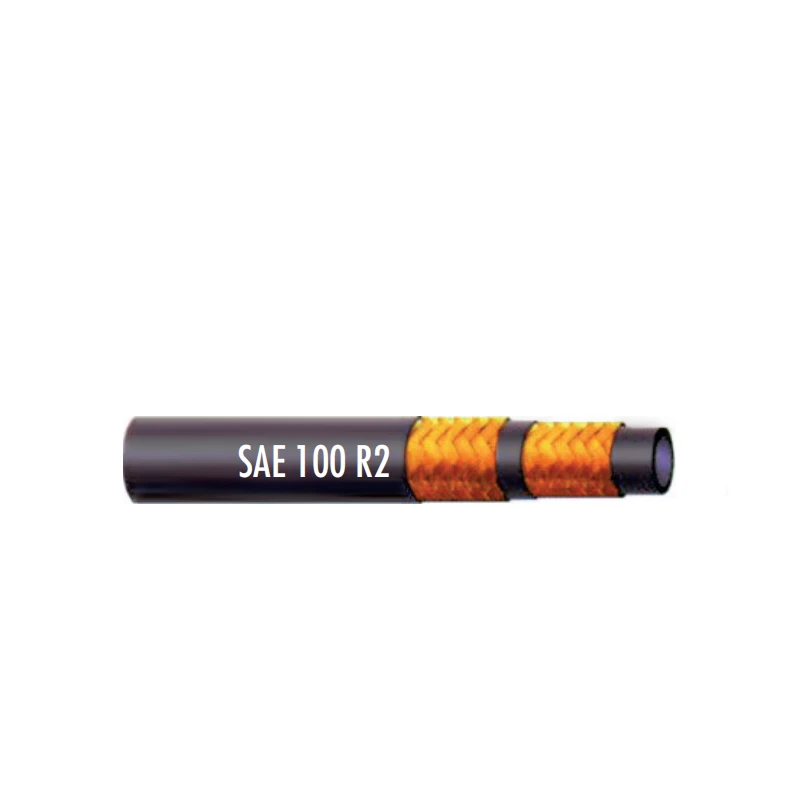
Two Layers Steel Wire Reinforced Hydraulic Hose SAE 100 R2 / EN853 2SN
-
-
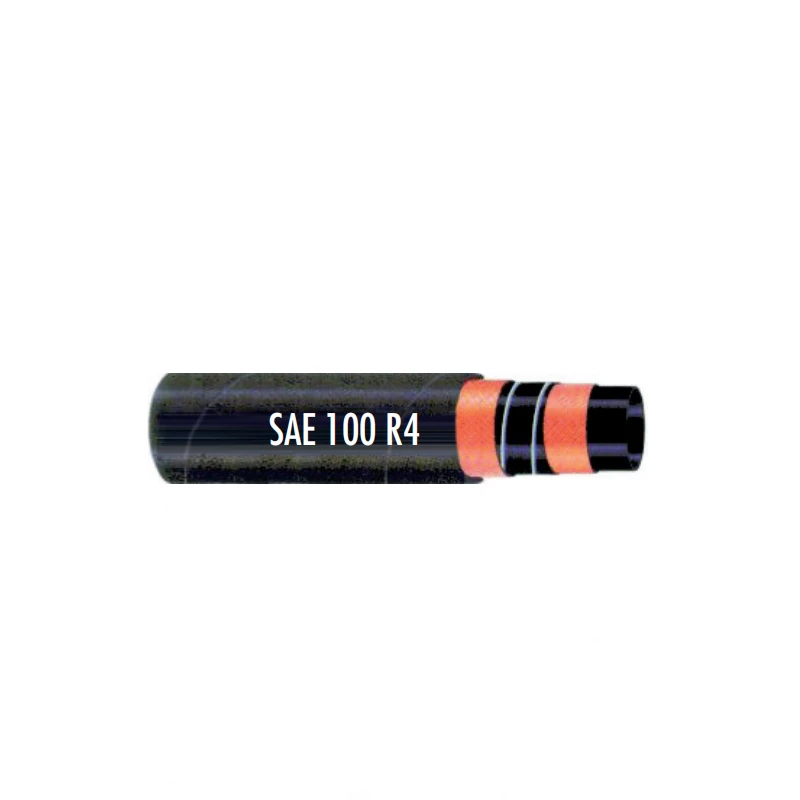
Textile Reinforced Hydraulic oil Suction Hose with embedded Steel Wire SAE 100 R4
-
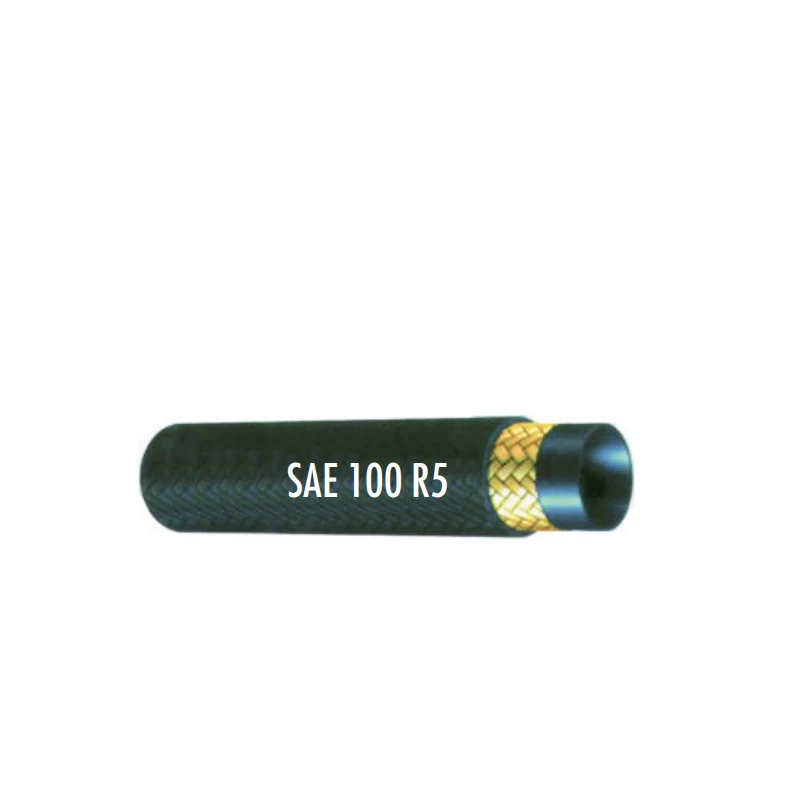
Single Wire Braid and Textile Covered Hydraulic Hose SAE 100 R5
-
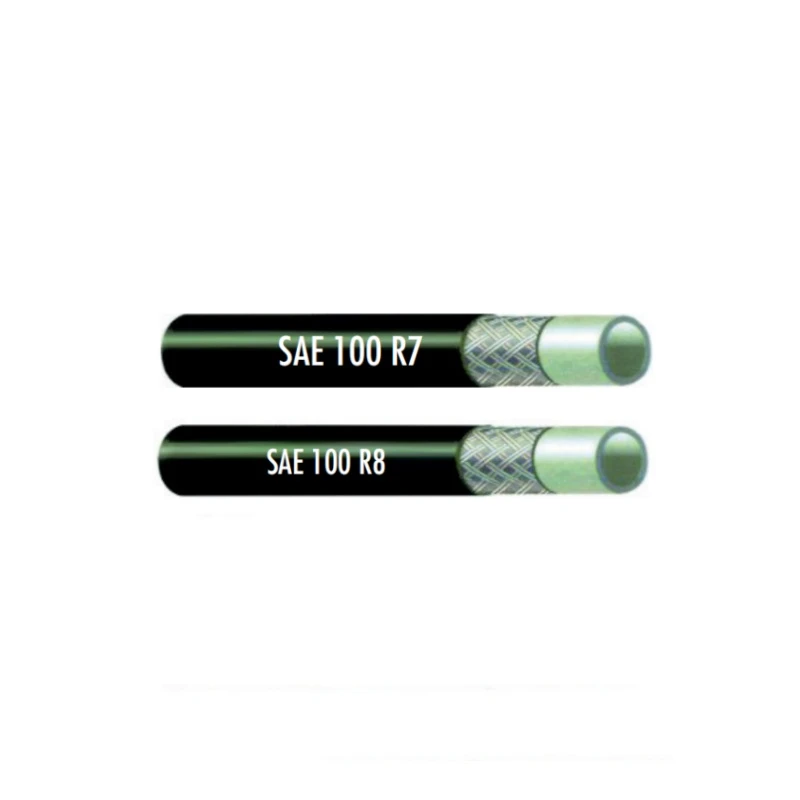
High Pressure Thermoplastic Hydraulic Hose SAE 100 R7 / EN855 R7 - SAE 100 R8 / EN855 R8
-
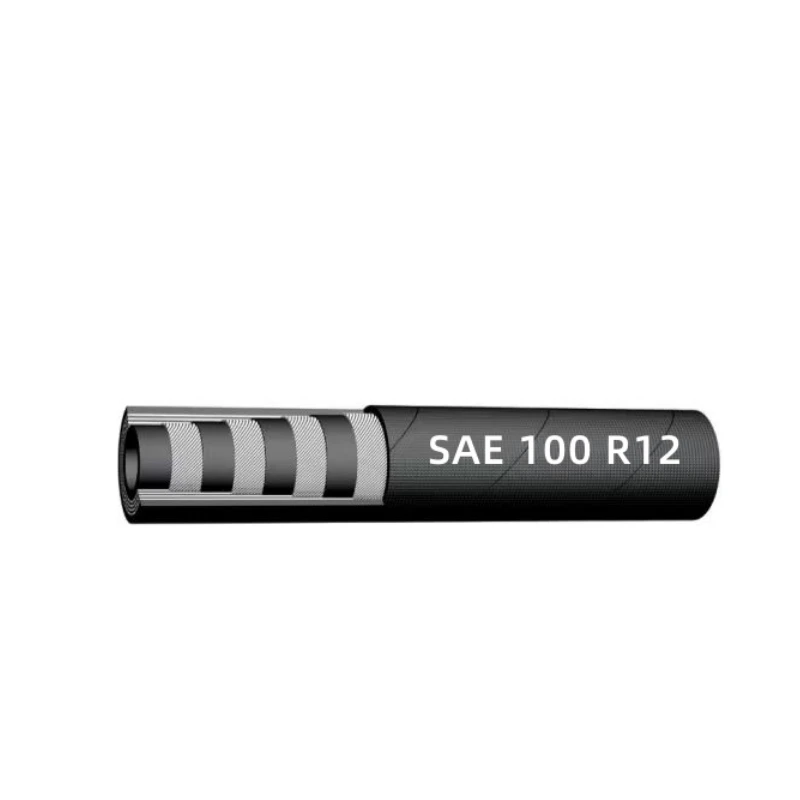
Heavy Duty Four-layer Steel Wire Spiral Reinforced Hydraulic Hose SAE100R9+R10+R12
-
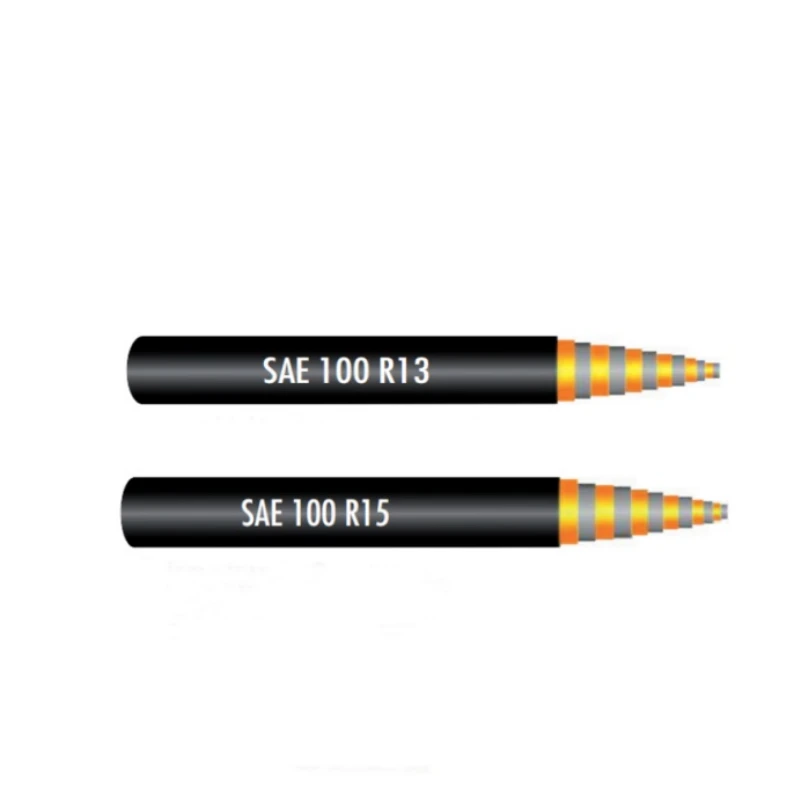
Heavy Duty Multi-layer Steel Wire Reinforced Hydraulic Hose SAE100R13 SAE100R15


