

Jan . 24, 2026 17:50 Back to list
R4 Hydraulic Hose: Specs, Vendors, and Real-World Use
Understanding R4 Hydraulic Hose: Beyond the Spec Sheet
You know, I’ve been working with hydraulic systems for… well, let’s just say a while. And honestly, sometimes the industry gets too focused on the numbers. Burst pressure, tensile strength, all important, absolutely. But r4 hydraulic hose isn't just about those specs. It’s about reliability in the field, in the real world. It’s about keeping things running. I suppose that sounds obvious, but it gets lost sometimes. The demand for higher performing, more durable hoses is rising, fueled by tougher applications in construction, agriculture, and even specialized manufacturing. We're seeing a shift from simply meeting standards to exceeding them, and r4 is kind of leading that charge.R4 Hose: A Deep Dive into Specifications
Let's get down to the details, because those do matter. R4 hose, by definition, is a non-reinforced hydraulic hose designed for medium-pressure applications. But "medium pressure" doesn't mean weak, not at all. Modern r4 hoses use synthetic rubber compounds – typically a blend of nitrile and other polymers – for both the tube and the cover, giving them excellent resistance to abrasion, oil, and even weathering. It's a surprisingly robust design for something that looks relatively simple. Here's a more detailed look at the typical specs:| Parameter | Value | Description |
|---|---|---|
| Working Pressure | Up to 2,000 PSI | Standard operational limit |
| Burst Pressure | 8,000 PSI (typical) | Safety factor for unexpected surges |
| Temperature Range | -40°C to +100°C | Suitable for diverse environments |
| Cover Material | Synthetic Rubber (typically Nitrile) | Abrasion and weather resistant |
Choosing the Right R4 Hose Vendor: A Quick Comparison
Frankly, there are a lot of options out there. And choosing a vendor can feel… overwhelming. It’s not always about the lowest price, though that’s a factor. It’s about consistency, quality control, and frankly, someone who understands your application. I’ve noticed a lot of companies now offer custom sizing and end fitting options, which is a huge plus. Here's a quick comparison of a few key players:| Vendor | Price (per ft) | Customization Options | Lead Time |
|---|---|---|---|
| JY Hose https://www.jyhose.com | $1.50 - $2.00 | Extensive - sizes, fittings, branding | 3-5 days |
| Apex Hydraulics | $1.75 - $2.25 | Limited - standard sizes only | 5-7 days |
| Global Hose Solutions | $1.60 - $2.10 | Moderate - fitting options available | 4-6 days |
Final Thoughts: It's About the Whole System
Ultimately, choosing the right r4 hydraulic hose isn’t just about picking the cheapest option. It’s about considering the entire system, the application, and the vendor’s ability to deliver consistent quality. I recall one client, a small agricultural equipment manufacturer, who initially went with a lower-cost supplier and experienced repeated failures. Turns out, the hose compound wasn’t holding up to the constant exposure to fertilizers and pesticides. Cost them more in downtime and repairs than the initial savings. It’s a lesson in understanding the true cost of quality...Latest News
Steel Wire Reinforced Hydraulic Hose SAE 100 R1 / EN853 1SN S
NewsOct.17,2024
Two Layers Steel Wire Reinforced Hydraulic Hose SAE 100 R2 / EN853 2SN
NewsSep.03,2024
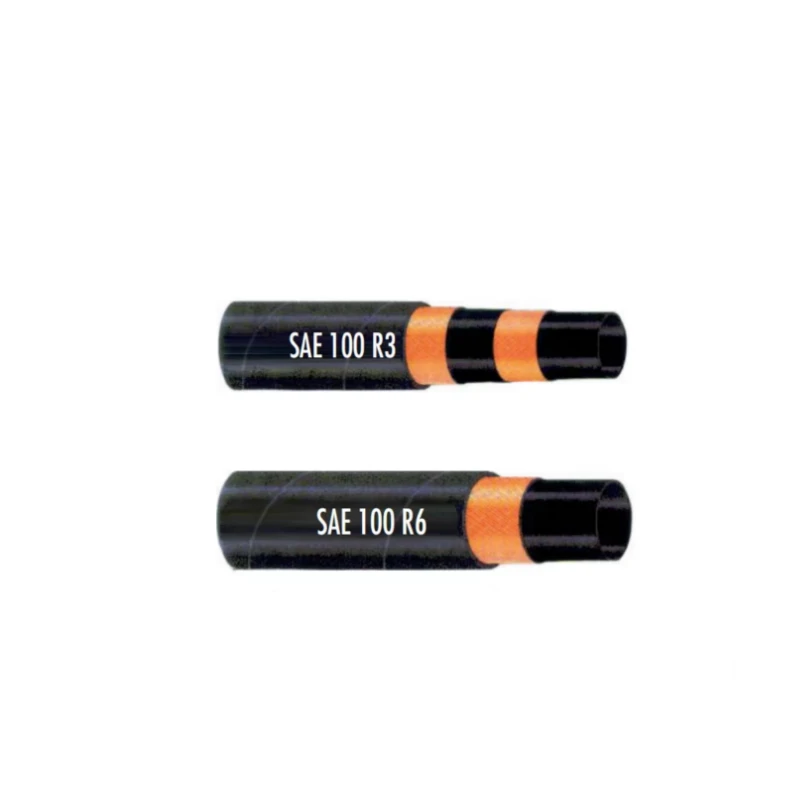
Textile Braid Reinforced Hydraulic Hose SAE100 R3+R6
NewsSep.03,2024
Textile Reinforced Hydraulic oil Suction Hose with embedded Steel Wire SAE 100 R4
NewsSep.03,2024
Single Wire Braid and Textile Covered Hydraulic Hose SAE 100 R5
NewsSep.03,2024
High Pressure Thermoplastic Hydraulic Hose SAE 100 R7 / EN855 R7 - SAE 100 R8 / EN855 R8
NewsSep.03,2024
Heavy Duty Four-layer Steel Wire Spiral Reinforced Hydraulic Hose SAE100R9+R10+R12
NewsSep.03,2024
Heavy Duty Multi-layer Steel Wire Reinforced Hydraulic Hose SAE100R13 SAE100R15
NewsSep.03,2024
Latest Products
-
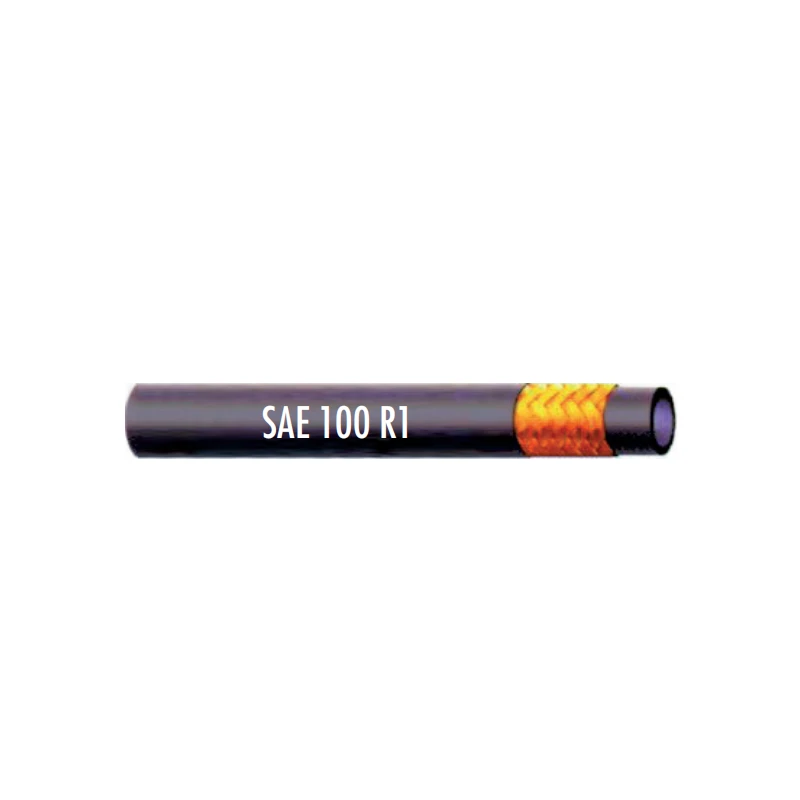
Steel Wire Reinforced Hydraulic Hose SAE 100 R1 / EN853 1SN S
-
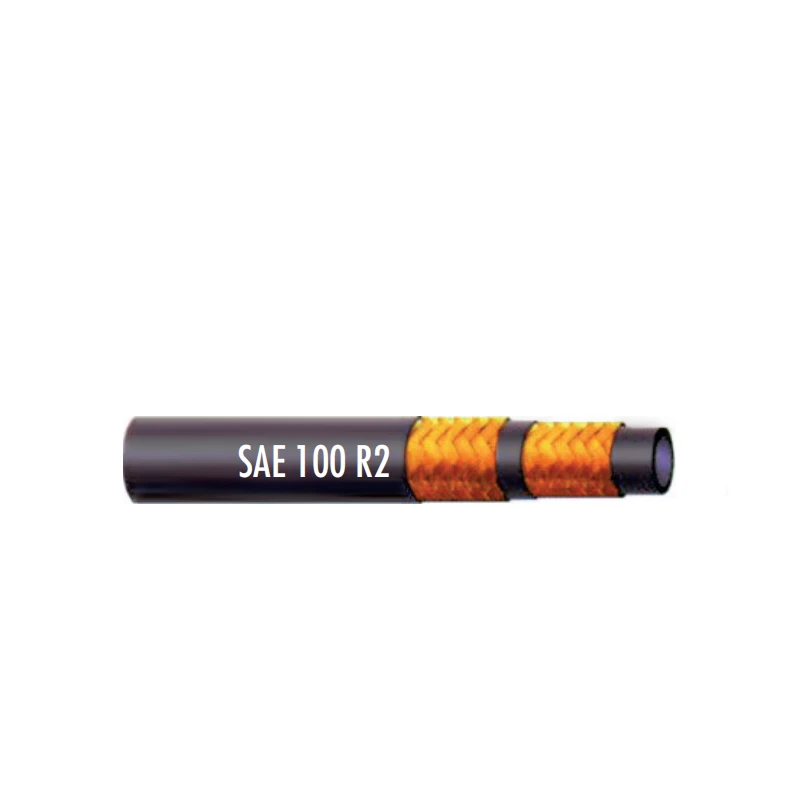
Two Layers Steel Wire Reinforced Hydraulic Hose SAE 100 R2 / EN853 2SN
-
-
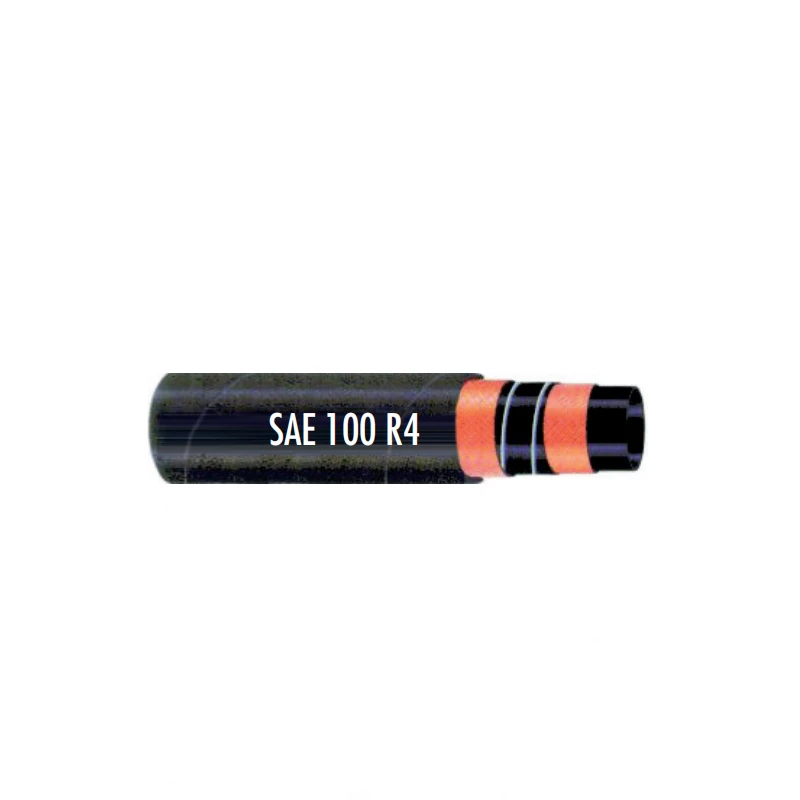
Textile Reinforced Hydraulic oil Suction Hose with embedded Steel Wire SAE 100 R4
-
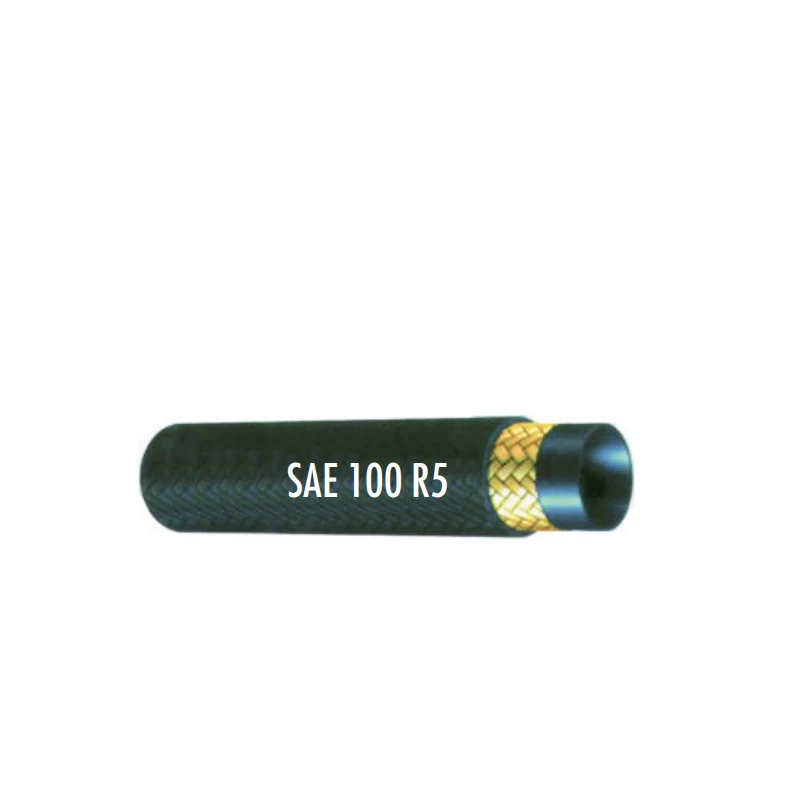
Single Wire Braid and Textile Covered Hydraulic Hose SAE 100 R5
-
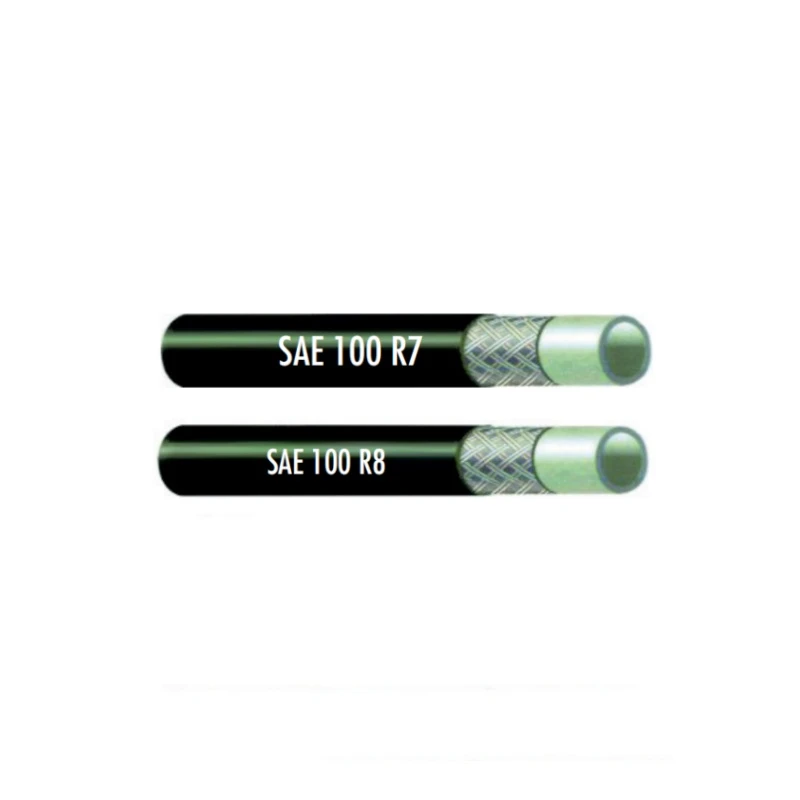
High Pressure Thermoplastic Hydraulic Hose SAE 100 R7 / EN855 R7 - SAE 100 R8 / EN855 R8
-
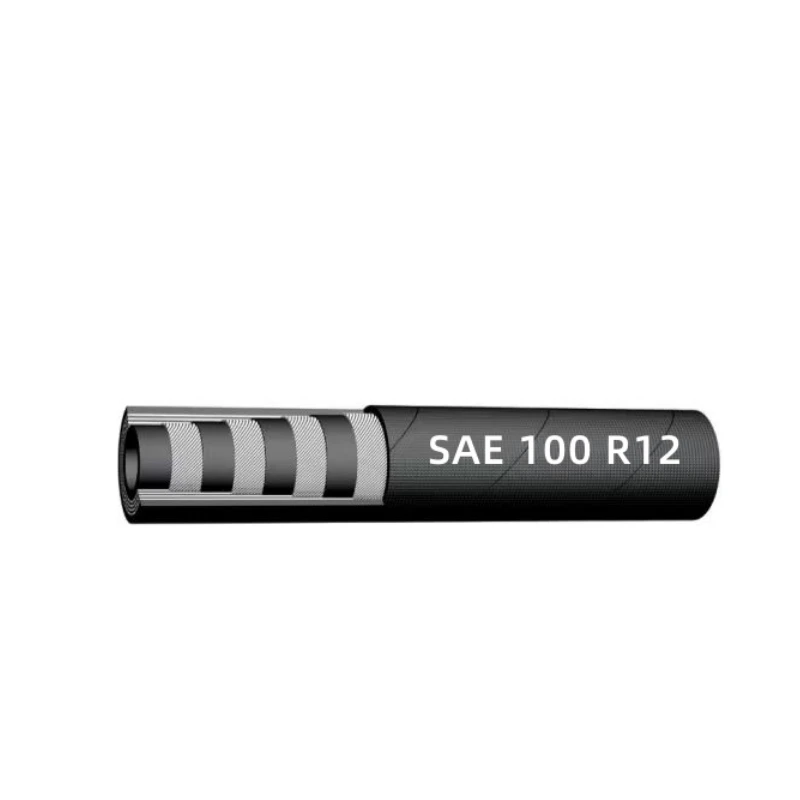
Heavy Duty Four-layer Steel Wire Spiral Reinforced Hydraulic Hose SAE100R9+R10+R12
-
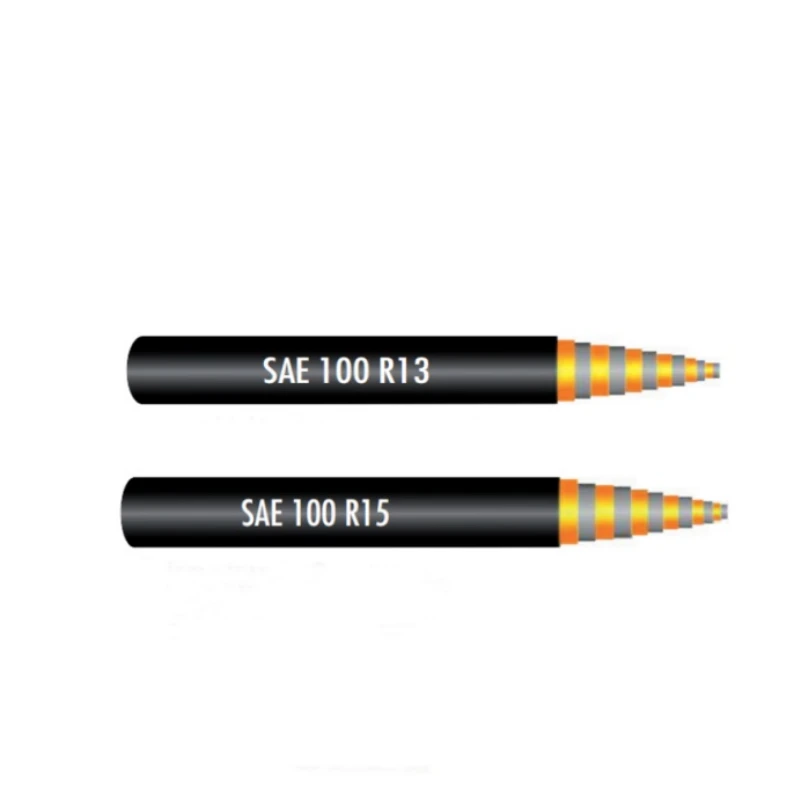
Heavy Duty Multi-layer Steel Wire Reinforced Hydraulic Hose SAE100R13 SAE100R15


