

Nov . 24, 2025 15:09 Back to list
Understanding LPG Hose Pipe: Safety, Standards & Global Applications
Understanding LPG Hose Pipe: An Essential Connective in Global Energy Supply
Liquid Petroleum Gas, or LPG, has become a backbone of energy use worldwide, especially in residential, industrial, and commercial sectors. But behind the scenes lies a rather unglamorous yet crucial component that ensures the safety and efficiency of this energy source— the lpg hose pipe. At first glance, it might seem like just a simple rubber tube, but it’s a product engineered meticulously to meet stringent standards and to support millions of users globally. Grasping the importance of the LPG hose pipe opens a window into energy safety, logistics, and even sustainability.
A Global Look: Why LPG Hose Pipes Matter
Globally, over 3 billion people rely on LPG for cooking and heating, per data from the United Nations and the International Energy Agency. LPG hose pipes act as the vital link between supply cylinders and household or industrial appliances. Without dependable hoses capable of resisting heat, pressure, and corrosion, the entire utility chain risks breakdown—and in worst cases, catastrophic fires or gas leaks.
In many developing and developed countries, LPG remains the preferred clean fuel alternative, reducing dependence on charcoal or kerosene, which cause indoor pollution. According to an ISO report on hose safety standards, around 15% of LPG-related incidents are linked to faulty hoses, underscoring the urgency for high-quality products in this segment.
So, we quickly see that understanding the lpg hose pipe goes beyond mere supply lines; it addresses health, safety, and energy sustainability challenges.
Mini takeaway: This humble pipe supports household safety and drives cleaner energy adoption worldwide.
What Exactly Is an LPG Hose Pipe?
Simply put, an LPG hose pipe is a flexible conduit designed to transport liquid petroleum gas safely from the storage cylinder to the appliance or device using it. It’s made primarily of synthetic rubber lined with fiberglass or textile braiding to withstand pressure and temperature variations. The term covers various types—standard household hoses, heavy-duty industrial types, and even specialty hoses designed for use in hazardous environments.
Its role is more than just “a pipe.” It safeguards users by resisting flame, preventing leaks, and remaining flexible enough for installation even in tight spaces — characteristics driven by evolving manufacturing standards and material science.
In sectors like humanitarian disaster relief or remote camps, the right LPG hose pipe can mean the difference between reliable fuel delivery and dangerous interruptions.
Mini takeaway: LPG hose pipes bridge energy sources to end-users with safety and flexibility in mind.
Core Qualities of a Reliable LPG Hose Pipe
1. Durability Under Pressure
LPG hoses must endure internal pressures often exceeding 1.5 MPa without bursting or leaking. The multi-layer construction combining rubber and textile braiding ensures this. Friction and external wear resistance also play roles, especially in industrial setups where hoses might rub against metal surfaces.
2. Heat and Flame Resistance
Given the flammable nature of LPG, hoses are designed to resist high temperatures and sudden flame exposure. Many meet international flame test standards like ISO 15540, which frankly isn’t easy to pass. The outer cover often uses neoprene or nitrile rubber to provide this protection.
3. Chemical Compatibility
LPG is a mixture primarily of propane and butane, which can degrade some materials over time. The hose’s internal lining avoids swelling, softening, or cracks by using compatible synthetic rubbers that maintain integrity through extended gas exposure.
4. Flexibility & Ease of Use
While strength is key, hoses must be flexible enough to install easily in residential kitchens or industrial plants. Stiff hoses are a nightmare to position and often tempt installers into using unsafe shortcuts.
5. Compliance & Testing
Reputable suppliers ensure their LPG hose pipes meet or exceed ISO 3821:2010 standards – the globally recognized benchmark for this product. Some also carry testing certifications from respected bodies, which can reassure purchasers about quality.
Mini takeaway: The best LPG hose pipes blend strength, chemical resistance, flexibility, and certified safety all at once.
Where Are LPG Hose Pipes Found in the Real World?
Their footprints are everywhere. In urban homes across Europe, Asia, and the Americas, LPG hose pipes channel fuel to cooktops and heaters. In remote industrial plants—say oil fields in the Middle East or mining operations in Africa—they’re rugged workhorses connecting large cylinders to heavy machinery.
Humanitarian agencies like the UN’s World Food Programme also rely on robust LPG infrastructure, including dependable hoses, to fuel relief kitchens in disaster zones. For example, after the 2015 Nepal earthquake, swiftly deployed LPG supplies with reliable hoses provided safer cooking alternatives versus open fires—reducing respiratory illnesses and fire hazards.
Even the automotive industry uses specialized LPG hoses in liquefied petroleum gas vehicles, where vibration and temperature fluctuations demand durable, tested solutions.
Mini takeaway: From mountain villages to industrial complexes, LPG hoses quietly make safe energy accessible.
Product Specifications at a Glance
| Specification | Description |
|---|---|
| Material | Synthetic rubber with textile/fiberglass reinforcement |
| Operating Pressure | Max 2 MPa (20 bar) |
| Temperature Range | -40°C to +80°C (standard) |
| Length Options | 0.5m to 5m |
| Certifications | ISO 3821, CE Mark, EN 559 |
Comparing Leading LPG Hose Suppliers
| Vendor | Country | Product Range | Certifications | Special Features |
|---|---|---|---|---|
| JY Hose | China | Household & Industrial LPG hoses | ISO 3821, CE Mark | Flame retardant, UV resistant |
| Parker Hannifin | USA | High-performance industrial hoses | ISO/TS 9060 | Extreme temp & pressure rated |
| Gate Petroleum | India | Domestic LPG hoses | BIS Certified | Anti-aging, affordable |
Long-Term Advantages of Quality LPG Hose Pipes
Investing in premium LPG hose pipes pays off in safety and peace of mind; fewer leaks mean fewer accidents, and fewer replacements save money. From a sustainability perspective, durable hoses reduce waste and prevent harmful gas emissions caused by leaks.
Emotionally, there’s a quiet trust born from knowing the cooking flame is steady, the heater secure in cold winters. For households that depend on LPG daily—not just for convenience but dignity—the hose pipe is an unsung hero.
What’s Next? Future Trends in LPG Hose Pipe Technology
The folks designing these hoses are experimenting with nanomaterials for better flame resistance and longevity. More environmentally friendly synthetic rubbers are gaining traction, aiming to lower carbon footprints. On the tech side, expect smart hoses one day, equipped with sensors monitoring pressure and wear, potentially syncing with home automation systems.
Policy-wise, as countries push for cleaner energy, stringent standards for hose manufacturing will likely tighten, driving innovation further.
Common Challenges and How The Industry is Addressing Them
One big issue? Subpar hoses flooding the market, especially in informal sectors, that don’t meet safety codes, increasing fire risks. To counter this, agencies promote better awareness about certifications and push for stronger enforcement.
Another: hoses degrading from UV exposure or harsh chemicals. Coating technologies and new polymers are helping hose manufacturers offer longer-lasting solutions, even outdoors.
FAQ: Your Questions on LPG Hose Pipes Answered
- How can I tell if an LPG hose pipe is safe to use?
- Look for ISO 3821 certification and the CE mark on the hose. Check for visible damage like cracks or brittleness, and ensure it’s within the recommended replacement period (usually every 3-5 years).
- Can I cut an LPG hose pipe to fit my appliance?
- Generally, no. Cutting can compromise the hose integrity and void safety certifications. Always buy pre-cut lengths or have a professional installer make modifications.
- What causes LPG hoses to fail prematurely?
- Exposure to direct sunlight (UV), chemical spills, excessive bending, and poor-quality materials all contribute to hose failure. Proper installation and regular inspection are key to longevity.
- Are LPG hose pipes reusable after repairs?
- Most manufacturers advise against repairing hoses due to safety risks. If damaged, replacement is the safest choice.
- Where can I get high-quality industrial LPG hoses?
- Reliable vendors like JY Hose offer thoroughly tested products suited for both domestic and industrial applications. Always check certifications before purchasing.
Final Thoughts
The lpg hose pipe might not be the flashiest part of our energy infrastructure, but it is doubtlessly one of the most important. Quality hoses ensure fuel gets where it’s needed safely and consistently — empowering homes, industries, and humanitarian relief efforts alike.
If you want to explore a dependable range of LPG hose pipes, no-nonsense testing, and industry-certified solutions, I encourage you to visit https://www.jyhose.com. After all, safe energy connections are the foundation of a better tomorrow.
Mini takeaway: In the world of LPG, a good hose pipe is much more than a flexible tube — it’s a safety lifeline.
References
Latest News
Steel Wire Reinforced Hydraulic Hose SAE 100 R1 / EN853 1SN S
NewsOct.17,2024
Two Layers Steel Wire Reinforced Hydraulic Hose SAE 100 R2 / EN853 2SN
NewsSep.03,2024
Textile Braid Reinforced Hydraulic Hose SAE100 R3+R6
NewsSep.03,2024
Textile Reinforced Hydraulic oil Suction Hose with embedded Steel Wire SAE 100 R4
NewsSep.03,2024
Single Wire Braid and Textile Covered Hydraulic Hose SAE 100 R5
NewsSep.03,2024
High Pressure Thermoplastic Hydraulic Hose SAE 100 R7 / EN855 R7 - SAE 100 R8 / EN855 R8
NewsSep.03,2024
Heavy Duty Four-layer Steel Wire Spiral Reinforced Hydraulic Hose SAE100R9+R10+R12
NewsSep.03,2024
Heavy Duty Multi-layer Steel Wire Reinforced Hydraulic Hose SAE100R13 SAE100R15
NewsSep.03,2024
Latest Products
-
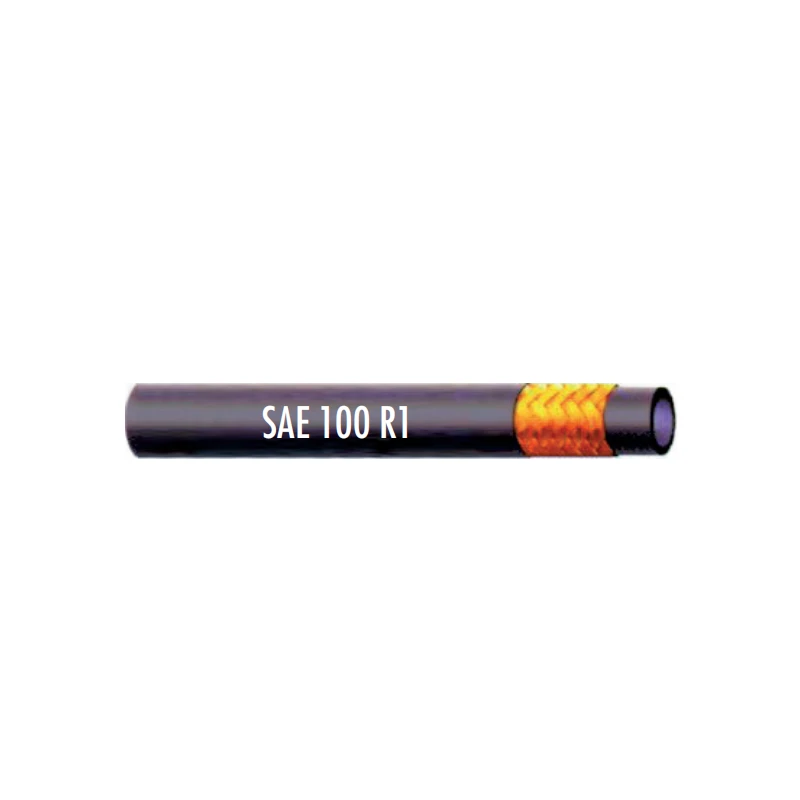
Steel Wire Reinforced Hydraulic Hose SAE 100 R1 / EN853 1SN S
-
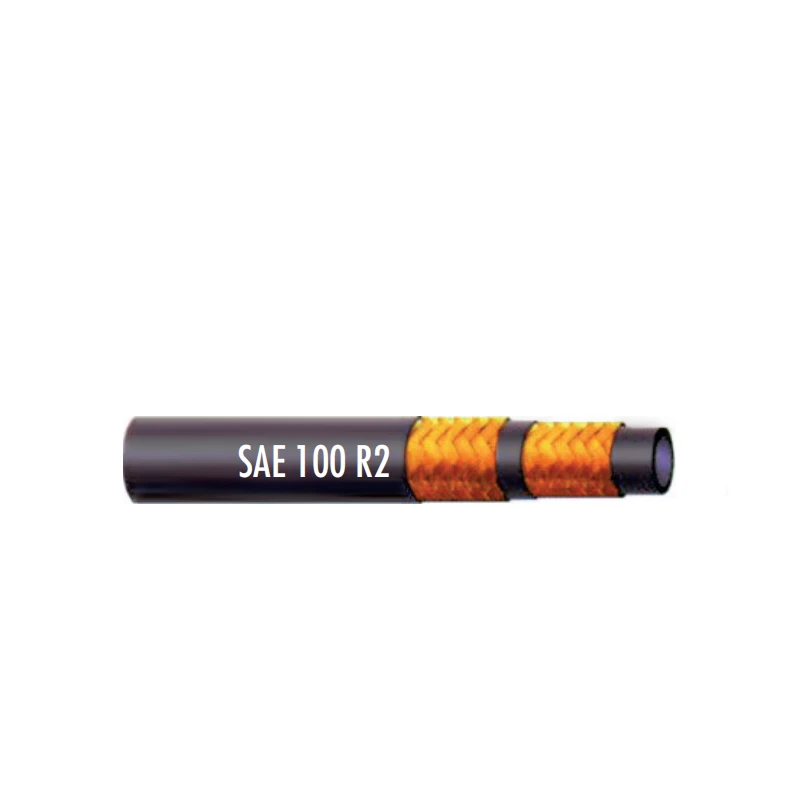
Two Layers Steel Wire Reinforced Hydraulic Hose SAE 100 R2 / EN853 2SN
-
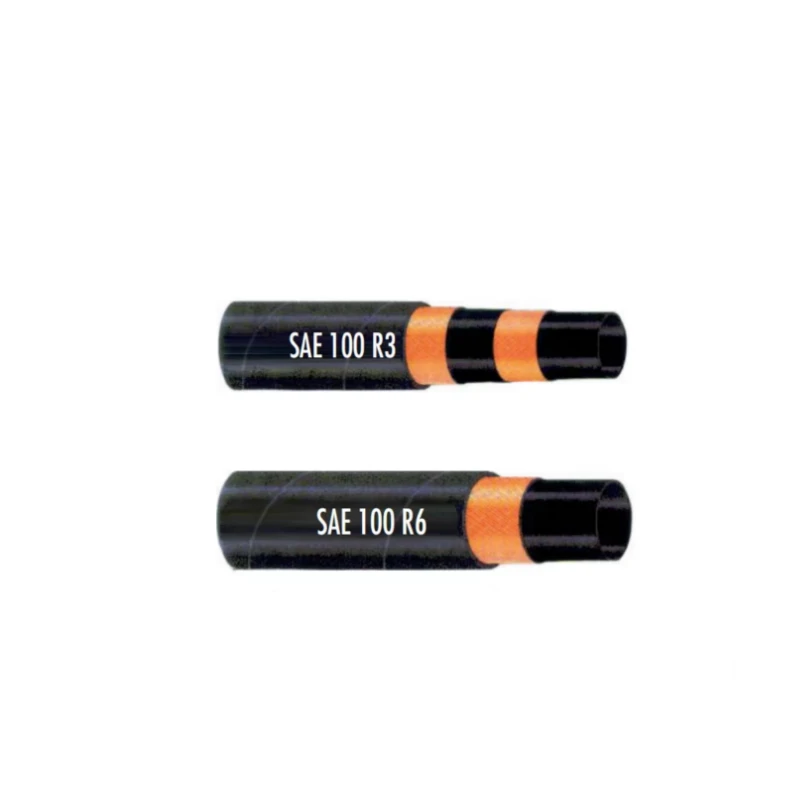
-
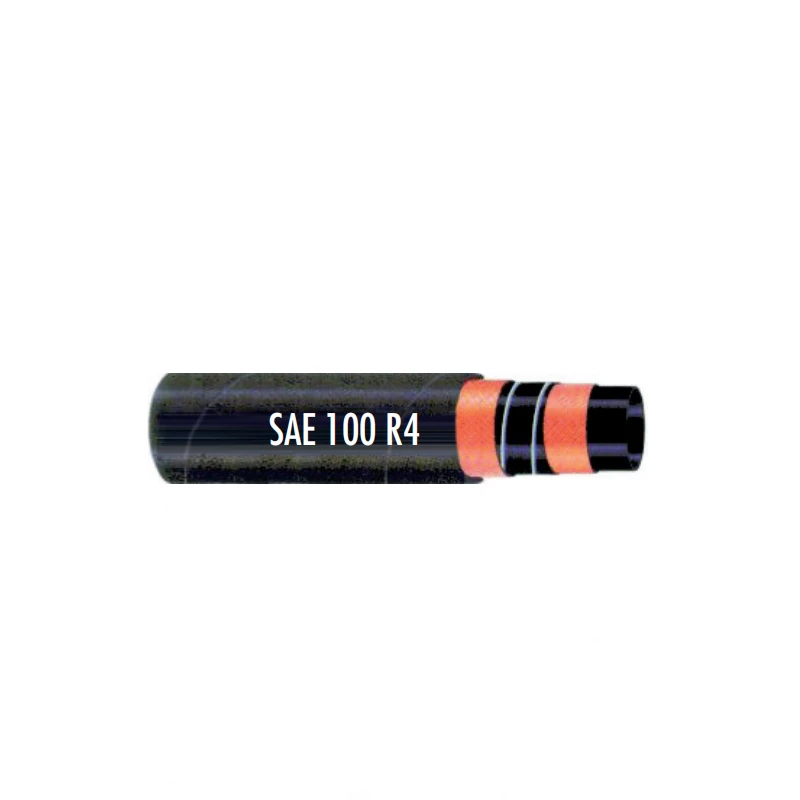
Textile Reinforced Hydraulic oil Suction Hose with embedded Steel Wire SAE 100 R4
-
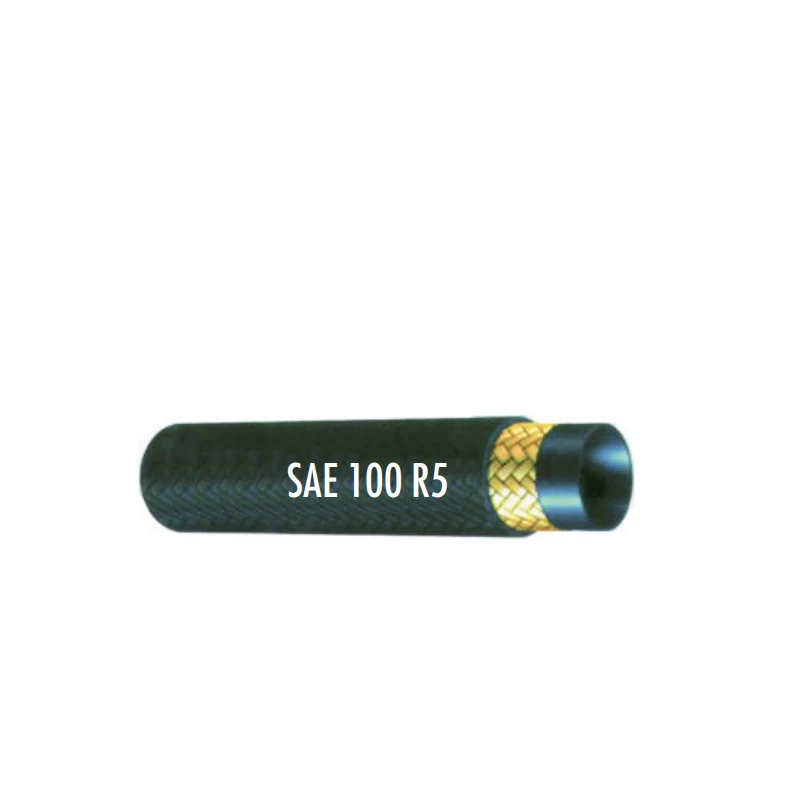
Single Wire Braid and Textile Covered Hydraulic Hose SAE 100 R5
-
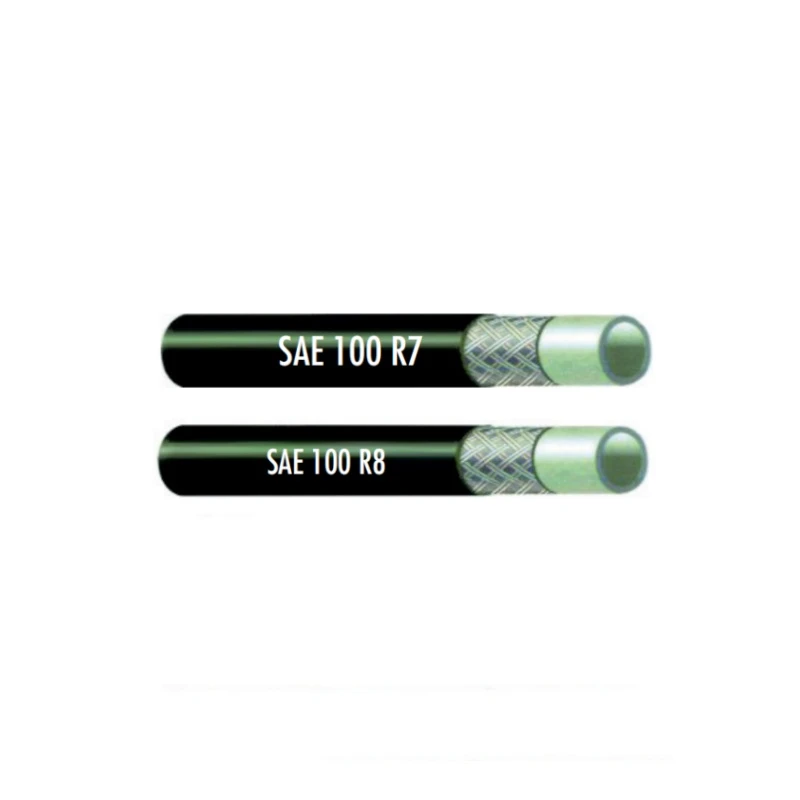
High Pressure Thermoplastic Hydraulic Hose SAE 100 R7 / EN855 R7 - SAE 100 R8 / EN855 R8
-
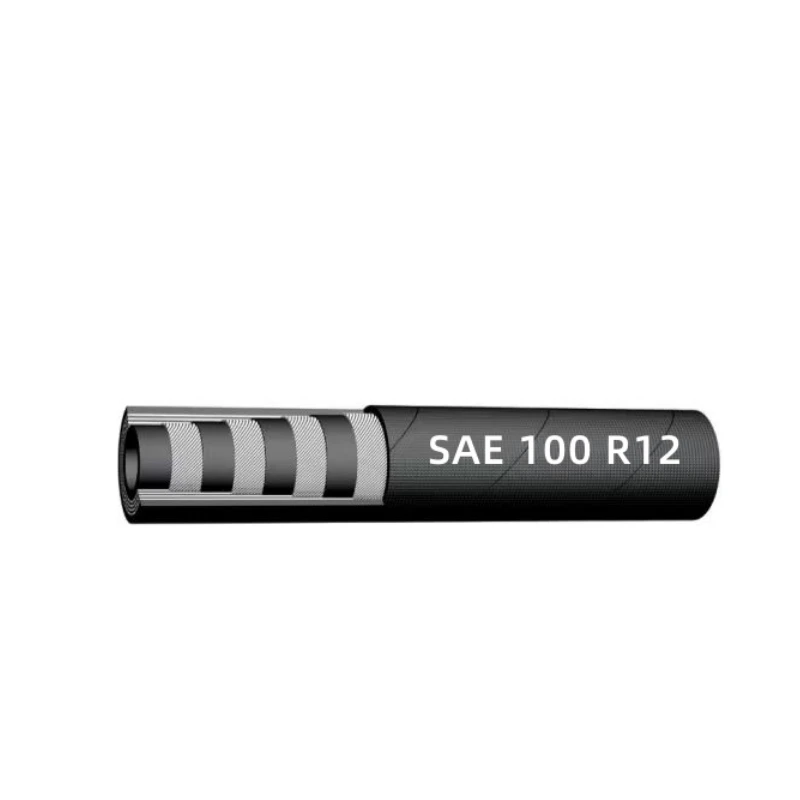
Heavy Duty Four-layer Steel Wire Spiral Reinforced Hydraulic Hose SAE100R9+R10+R12
-
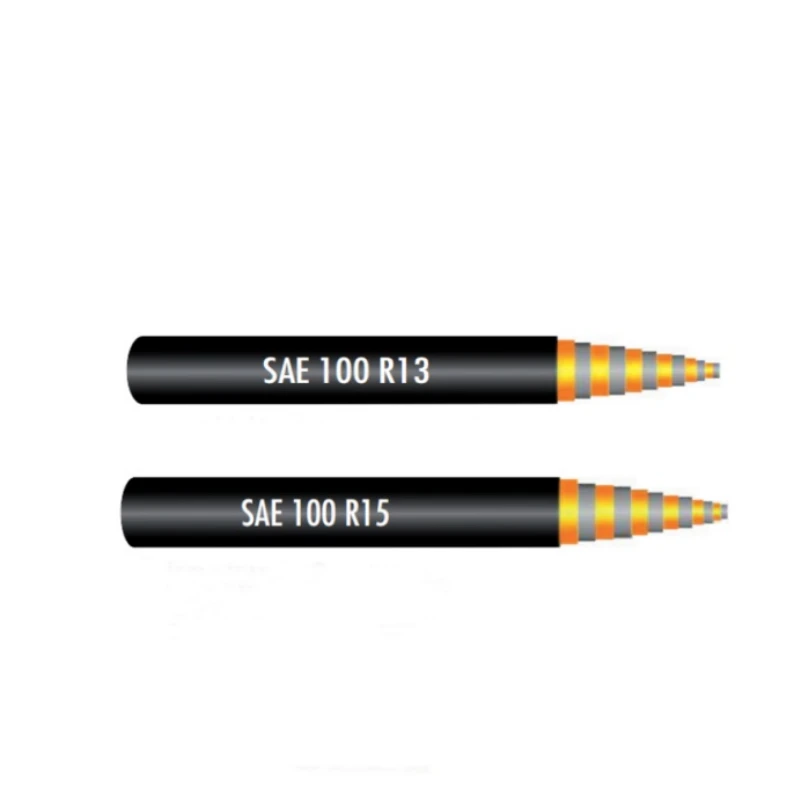
Heavy Duty Multi-layer Steel Wire Reinforced Hydraulic Hose SAE100R13 SAE100R15


