

Mar . 28, 2026 02:25 Back to list
Comprehensive Guide to Spiral Hydraulic Hose Protector Selection and Application
Understanding & Spiral Hydraulic Hose Protector: A Comprehensive Guide
Protecting hydraulic hoses is critical in a variety of industries, from construction and agriculture to manufacturing and oil & gas. Damage to these hoses can lead to costly downtime, environmental hazards, and even safety risks. A spiral hydraulic hose protector offers a robust and reliable solution to extend the life of your hoses and minimize potential problems. This article will explore the benefits, applications, types, and key considerations when choosing the right hose protector. We'll delve into how these protectors safeguard your investment and maintain operational efficiency.
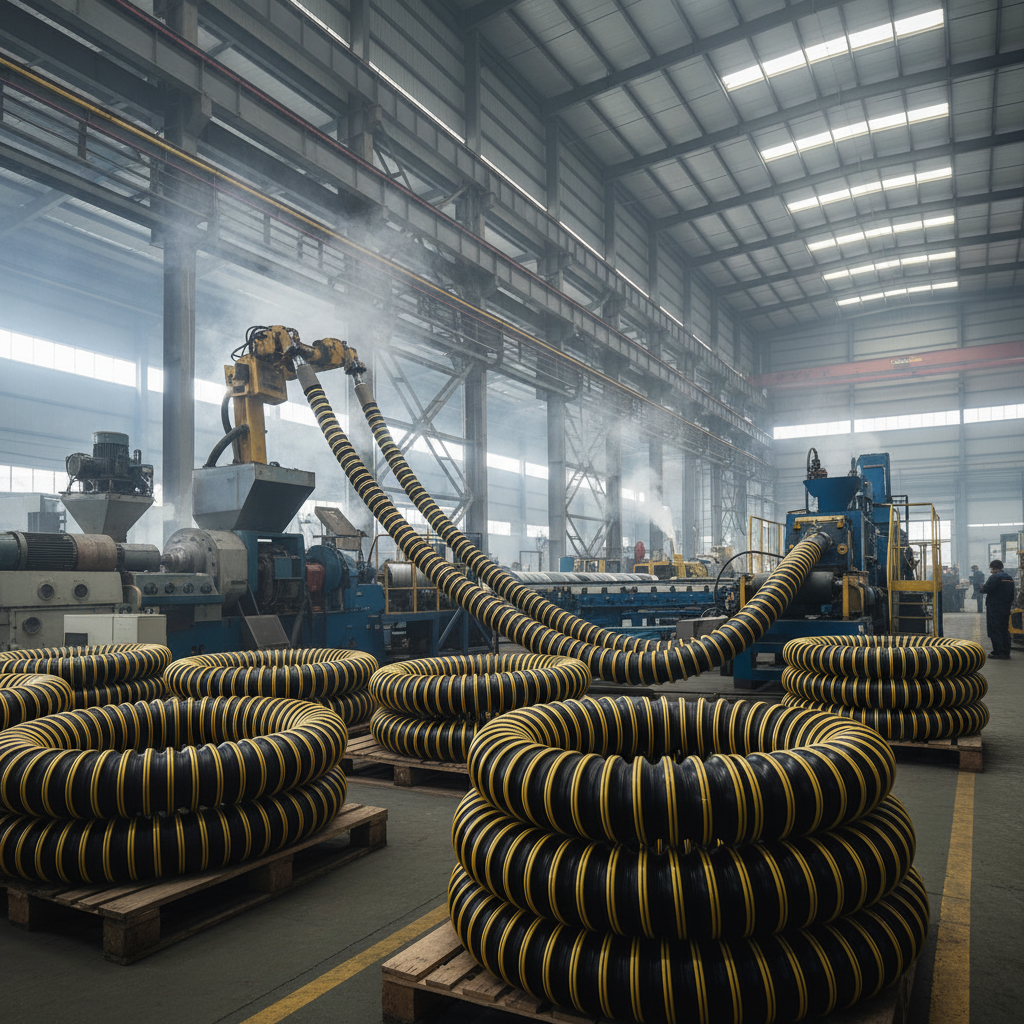
Why Use a Spiral Hydraulic Hose Protector?
Hydraulic hoses are susceptible to a range of damage, including abrasion, cuts, crushing, and exposure to extreme temperatures and chemicals. These factors can lead to leaks, burst hoses, and ultimately, system failure. A spiral hydraulic hose protector acts as a barrier against these threats, significantly extending the hose's lifespan. This reduces the frequency of replacements, lowers maintenance costs, and minimizes downtime. Furthermore, preventing leaks contributes to a safer and more environmentally responsible operation. Properly protected hoses also enhance the overall reliability and efficiency of hydraulic systems.
Key Benefits: Reduced downtime, Lower maintenance costs, Enhanced safety, Improved environmental protection, Increased hose lifespan.
Types of Spiral Hydraulic Hose Protectors
Several types of spiral hose protectors are available, each offering different levels of protection and suitability for various applications. Common materials include polyethylene (PE), polypropylene (PP), and nylon. PE protectors are lightweight and cost-effective, suitable for general-purpose applications. PP protectors offer increased abrasion resistance and UV stability. Nylon protectors provide the highest level of durability and are ideal for harsh environments. The spiral design allows for easy installation and removal, accommodating hoses of different diameters. Choosing the right material depends on the specific operating conditions and the severity of the potential hazards.
Material Comparison:
• Polyethylene (PE): Lightweight, Cost-effective, General purpose.
• Polypropylene (PP): Increased abrasion resistance, UV stability.
• Nylon: Highest durability, Ideal for harsh environments.
Choosing the Right Spiral Hydraulic Hose Protector: Key Considerations
Selecting the appropriate hose protector involves considering several factors. First, determine the hose diameter and choose a protector with a compatible inner diameter. Next, assess the operating environment. Consider exposure to abrasion, chemicals, UV radiation, and temperature extremes. For demanding applications, opt for a more durable material like nylon. The length of the protector should be sufficient to cover exposed sections of the hose. Finally, ensure the protector is easy to install and remove for maintenance. Investing in a high-quality protector tailored to your specific needs will provide the best long-term protection and cost savings.
Applications of Spiral Hydraulic Hose Protection
These protectors find application across diverse industries. In construction, they safeguard hoses on excavators, loaders, and other heavy equipment. Agricultural machinery, such as tractors and harvesters, benefit from protection against abrasion from soil and debris. Manufacturing facilities utilize them to protect hoses in automated systems and robotic applications. The oil and gas industry relies on robust protectors to withstand harsh environmental conditions and prevent leaks. Ultimately, any application where hydraulic hoses are exposed to potential damage can benefit from the use of a spiral hydraulic hose protector.
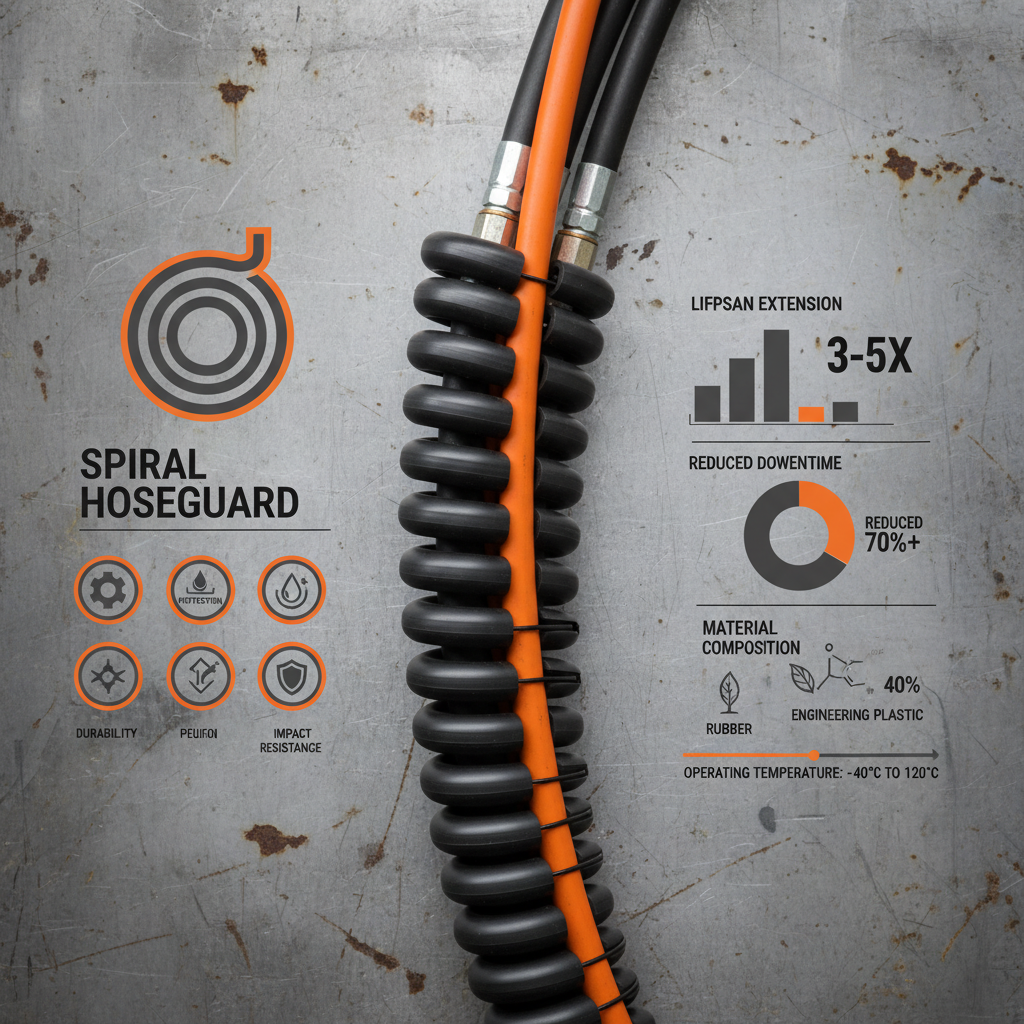
Product Specifications and Dimensions
JY Hose offers a comprehensive range of spiral hydraulic hose protectors in various sizes and materials. Below is a sample specification table:
Conclusion: Protecting Your Investment with Quality Hose Protectors
Investing in a spiral hydraulic hose protector is a proactive step towards preventing costly downtime and ensuring the longevity of your hydraulic systems. By choosing the right protector for your specific application, you can significantly reduce the risk of hose damage and maintain operational efficiency. JY Hose provides a wide selection of high-quality protectors to meet your needs.
Frequently Asked Questions (FAQs)
How do I install a spiral hydraulic hose protector?
Installation is typically straightforward. Simply stretch the spiral protector over the hose, ensuring it’s fully seated. The spiral design allows for easy application and removal. Some protectors may require a slight twisting motion to facilitate installation. It's important to ensure the protector is positioned correctly to provide maximum coverage and doesn't interfere with hose fittings or connections.
What is the recommended replacement schedule for hose protectors?
The replacement schedule depends on the severity of the operating environment and the level of wear and tear. Regularly inspect the protector for cracks, abrasion, or damage. If significant wear is observed, replace the protector immediately. As a general guideline, consider replacing protectors annually or more frequently in harsh conditions.
Can I use a hose protector on a damaged hose?
No. A hose protector is a preventative measure, not a repair solution. If a hose is already damaged, it should be replaced immediately. Applying a protector to a damaged hose will not restore its integrity and could potentially mask the damage, leading to a catastrophic failure.
What temperature range can these protectors withstand?
The temperature range varies depending on the material. Polyethylene (PE) typically withstands -40°C to 80°C, polypropylene (PP) from -20°C to 100°C, and nylon can withstand even higher temperatures, up to 120°C or more. Always check the manufacturer's specifications for the specific protector you are using.
Latest News
Steel Wire Reinforced Hydraulic Hose SAE 100 R1 / EN853 1SN S
NewsOct.17,2024
Two Layers Steel Wire Reinforced Hydraulic Hose SAE 100 R2 / EN853 2SN
NewsSep.03,2024
Textile Braid Reinforced Hydraulic Hose SAE100 R3+R6
NewsSep.03,2024
Textile Reinforced Hydraulic oil Suction Hose with embedded Steel Wire SAE 100 R4
NewsSep.03,2024
Single Wire Braid and Textile Covered Hydraulic Hose SAE 100 R5
NewsSep.03,2024
High Pressure Thermoplastic Hydraulic Hose SAE 100 R7 / EN855 R7 - SAE 100 R8 / EN855 R8
NewsSep.03,2024
Heavy Duty Four-layer Steel Wire Spiral Reinforced Hydraulic Hose SAE100R9+R10+R12
NewsSep.03,2024
Heavy Duty Multi-layer Steel Wire Reinforced Hydraulic Hose SAE100R13 SAE100R15
NewsSep.03,2024
Latest Products
-
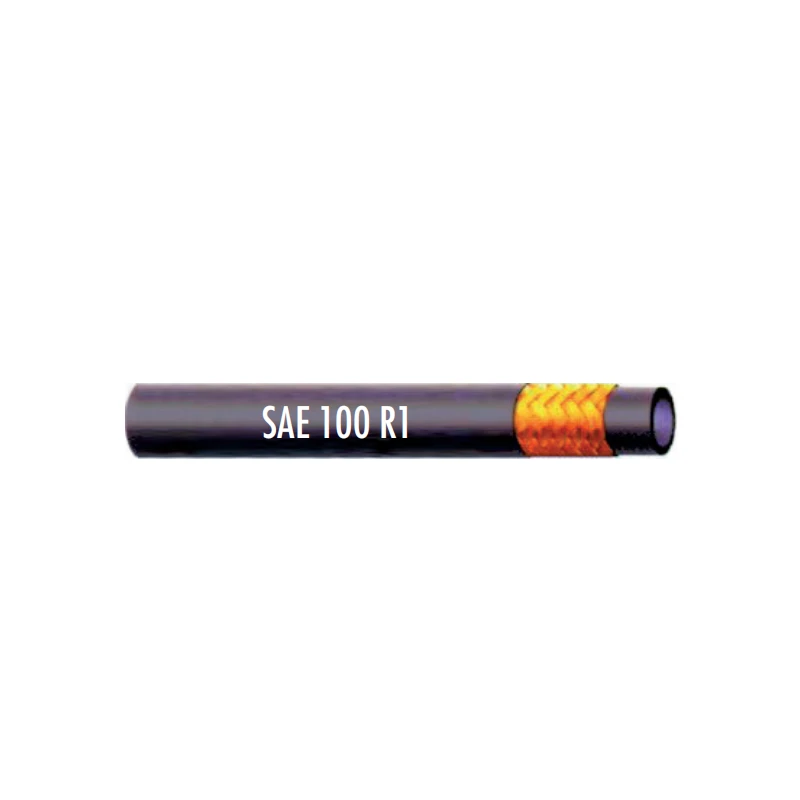
Steel Wire Reinforced Hydraulic Hose SAE 100 R1 / EN853 1SN S
-
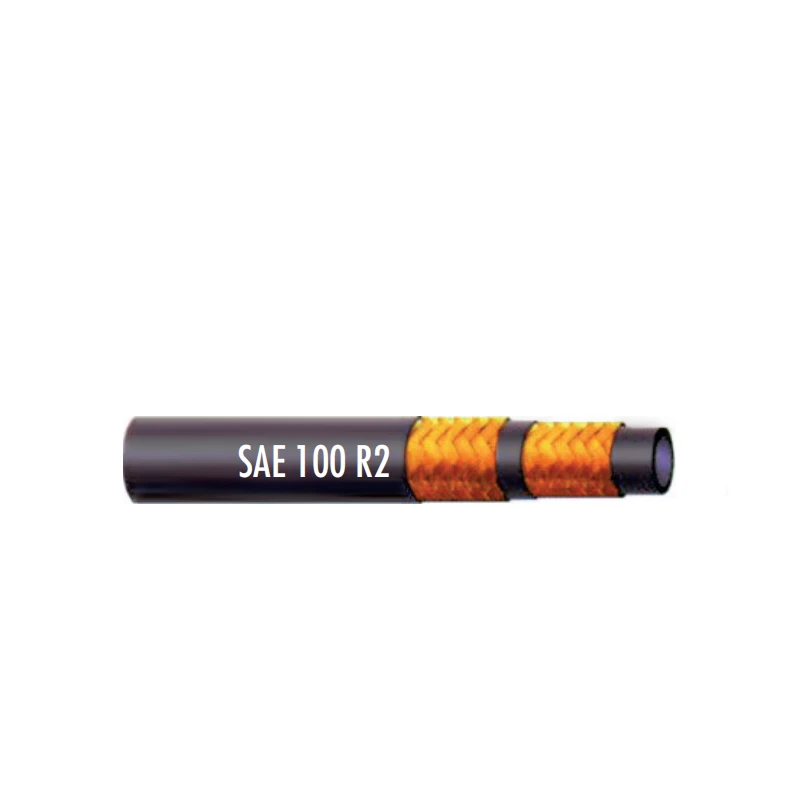
Two Layers Steel Wire Reinforced Hydraulic Hose SAE 100 R2 / EN853 2SN
-
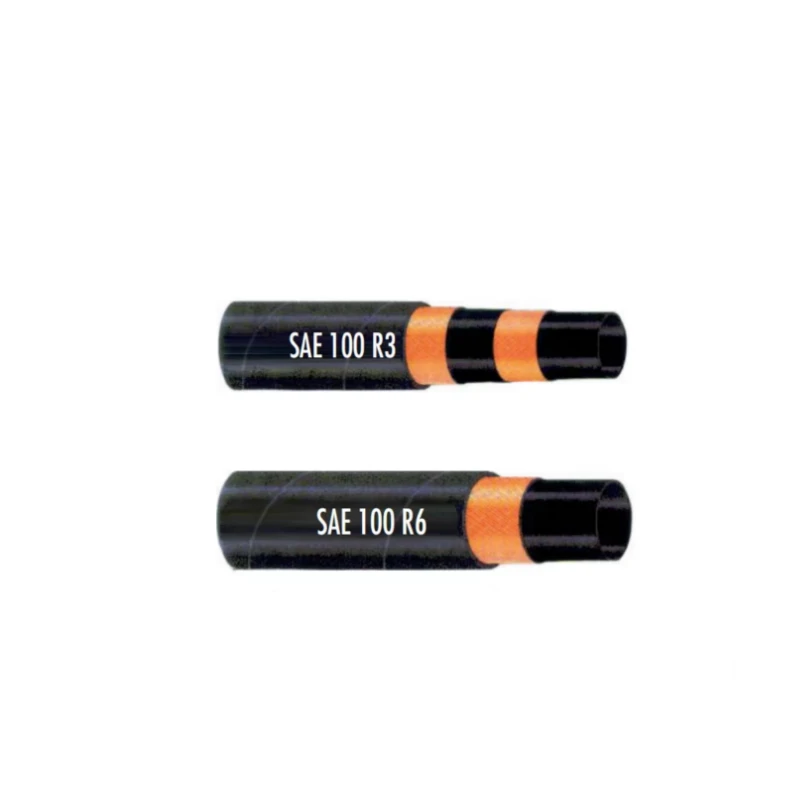
-
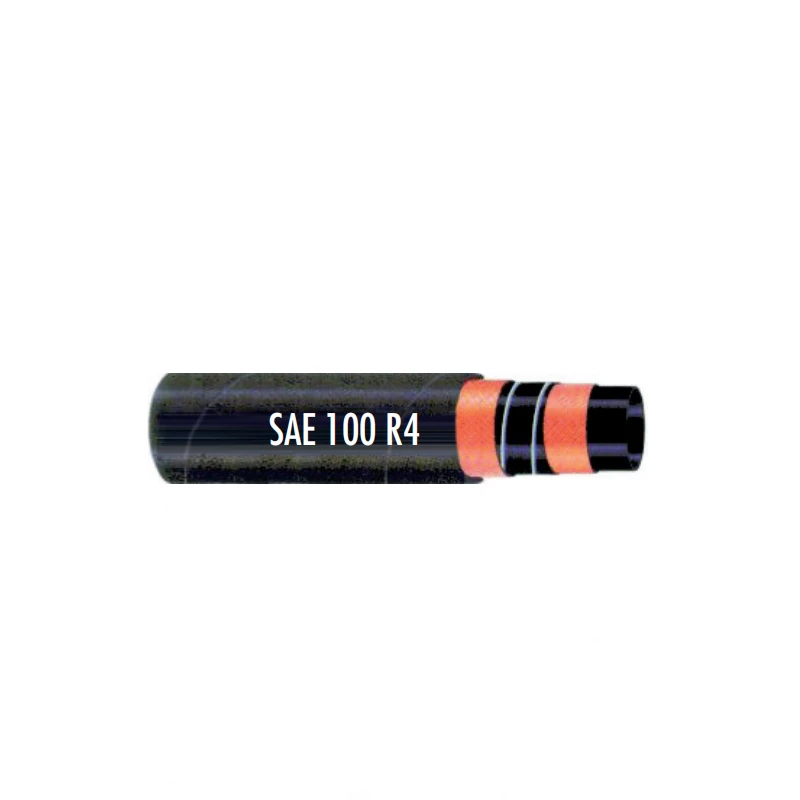
Textile Reinforced Hydraulic oil Suction Hose with embedded Steel Wire SAE 100 R4
-
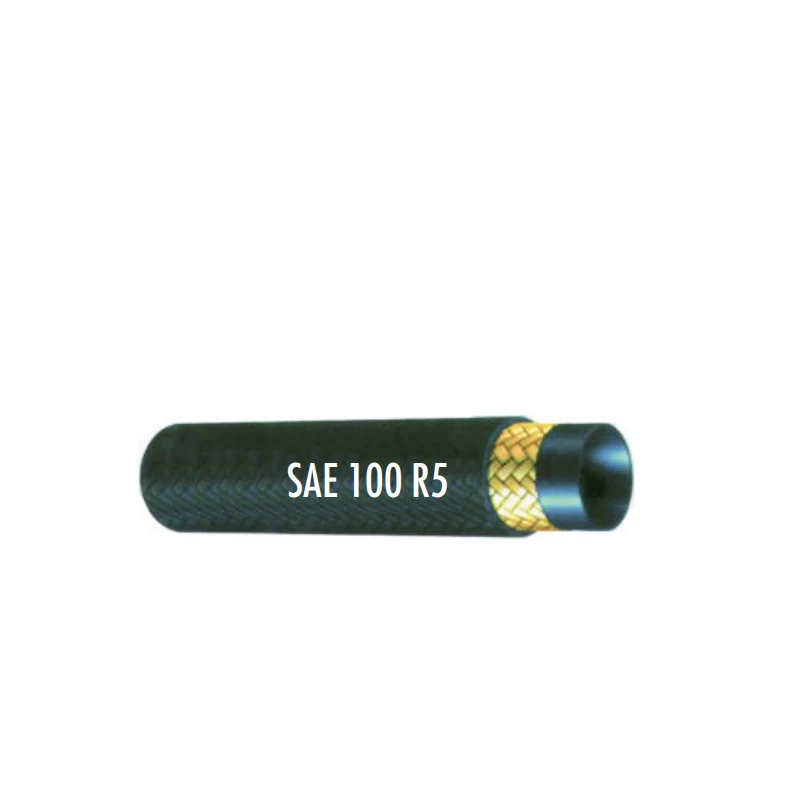
Single Wire Braid and Textile Covered Hydraulic Hose SAE 100 R5
-
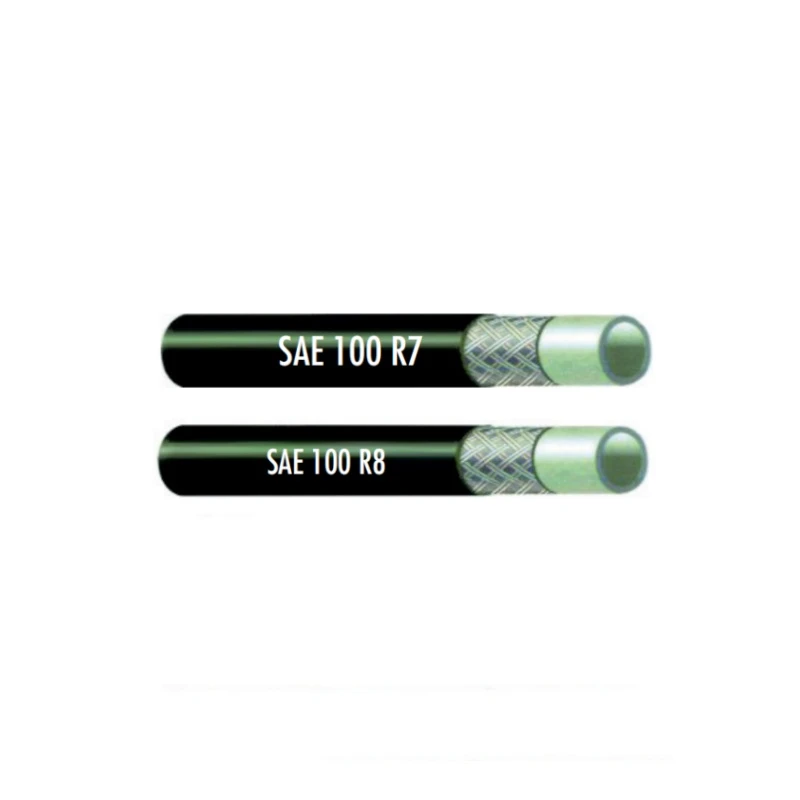
High Pressure Thermoplastic Hydraulic Hose SAE 100 R7 / EN855 R7 - SAE 100 R8 / EN855 R8
-
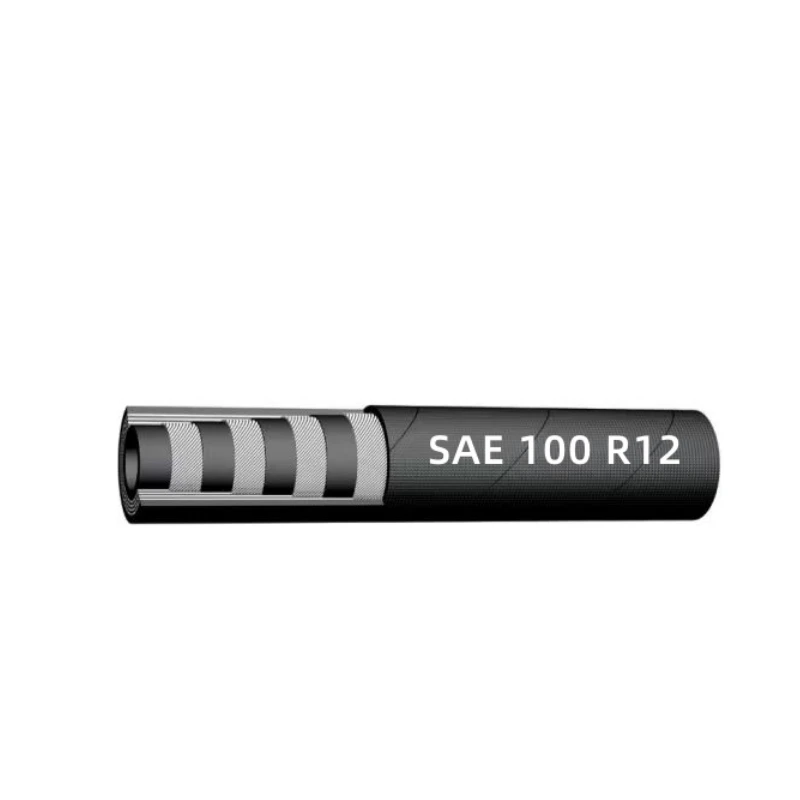
Heavy Duty Four-layer Steel Wire Spiral Reinforced Hydraulic Hose SAE100R9+R10+R12
-
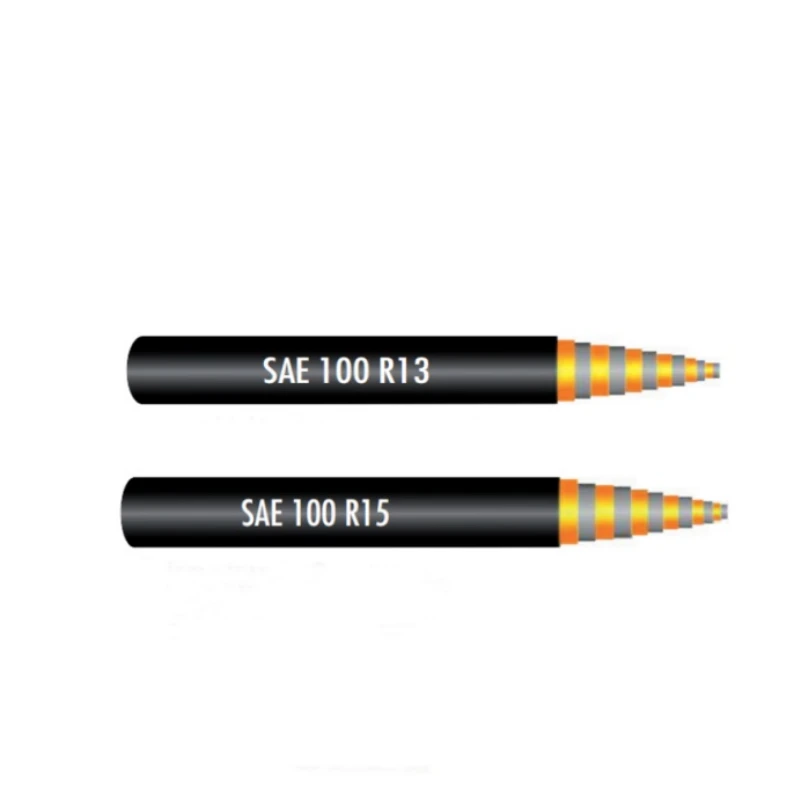
Heavy Duty Multi-layer Steel Wire Reinforced Hydraulic Hose SAE100R13 SAE100R15


