

Nov . 24, 2025 15:09 Back to list
Essential Guide to Lay Flat Pipe: Uses, Benefits, and Innovations
Understanding Lay Flat Pipe: Flexibility Meets Functionality
Picture this: a pipe that can roll out flat for storage but snap into shape when you need it. That’s a lay flat pipe in a nutshell — a simple concept, but it bridges complex challenges across industries and even humanitarian efforts worldwide. Why does this matter? Well, in an era of rapid infrastructure development, emergency response, and efficient water management, the lay flat pipe is quietly revolutionizing how we transport liquids and gases over distances. And getting familiar with what they offer can make a big difference to engineers, distributors, and planners alike.
The Global Context — Why Lay Flat Pipe Has A Place on Every Map
Globally, water scarcity affects over 2 billion people, according to the United Nations (UN Water, 2022). Adding to that, industrial expansion in remote regions demands flexible yet durable piping solutions. Lay flat pipes address these challenges by simplifying transportation and deployment, especially where traditional rigid pipes just won’t fit the bill.
Industries like agriculture, mining, and civil engineering increasingly rely on these pipes for irrigation, slurry handling, and temporary water transfer. On the humanitarian side, disaster relief teams often face the hurdles of rapid setup logistics, limited storage space, and unpredictable terrain — all problems lay flat pipes help mitigate.
Oddly enough, data from the International Organization for Standardization (ISO) shows a growth of nearly 12% annually in flexible piping units globally, largely driven by the demand for lay flat variants.
What Exactly Is Lay Flat Pipe?
Simply put, a lay flat pipe is a flexible hose or pipe that lies flat when not in use but expands into a round conduit when pressured with fluid. Made mostly from polyethylene or PVC composites, these pipes can be rolled or folded for easy transport and storage.
Think of it like a garden hose that folds neatly like a belt — but designed to carry large volumes of water, slurry, or even industrial chemicals safely. The connection to modern industry runs deep; whether it’s channeling clean irrigation water across farmland or funneling wastewater in mining operations, the lay flat pipe’s adaptability is crucial.
In humanitarian applications, these pipes help supply potable water fast in disaster zones or flood-affected areas — where permanent infrastructure just isn’t available immediately.
Core Factors Defining Lay Flat Pipe Effectiveness
1. Durability
Many engineers say the secret sauce lies in material quality. UV resistance, abrasion tolerance, and chemical inertness are common specs manufacturers highlight. A lay flat pipe built with high-density polyethylene (HDPE) can last years under harsh outdoor exposure without cracking or brittleness.
2. Scalability and Length
Available in rolls or custom lengths, these pipes can span hundreds of meters without joints — which reduces leak risks and installation time. That scalability adds huge value in large agricultural setups or industrial pipelines.
3. Cost Efficiency
Compared to rigid pipes, lay flat pipes cut shipping and storage costs drastically. Their lightweight nature saves on handling labor and transportation fuel too.
4. Flexibility
Flexibility is the name of the game. Sharp turns, uneven terrain, or compact storage pose little challenge for these pipes. Unlike rigid systems, they conform easily.
5. Easy Installation
Fast deployment translates to big savings in labor hours. Many users report being able to set up kilometers of piping in a day, which feels like a marketing line but is true in real terms.
6. Environmental Impact
Some newer lay flat pipes are made with recycled materials and can themselves be recycled, aligning with ISO environmental standards. This helps reduce waste and supports sustainability goals.
Lay Flat Pipe In Action: Real-World Global Uses
- Post-Disaster Relief: After typhoons or earthquakes in Southeast Asia, humanitarian NGOs deploy lay flat pipes to deliver clean drinking water quickly.
- Agriculture Across Africa: Irrigators in Kenya and Ethiopia depend on lay flat pipes for seasonal flood irrigation from rivers, enabling better crop yields.
- Mining Operations: In Australia and Canada, slurry and tailings are transported through heavy-duty lay flat pipes built to endure high abrasion.
- Remote Infrastructure: Oil and gas companies use these pipes for temporary water transfer in cold regions where traditional setups are impractical.
These examples show the versatility and reliability that lay flat pipes bring to diverse fields.
Advantages and Long-Term Value of Lay Flat Pipe
In cost terms, initial outlay is usually lower with lay flat pipes than rigid alternatives, and efficiency gains often balance the ledger quickly. From a sustainability lens, many users value that these pipes reduce plastic packaging waste and facilitate water conservation.
There’s also a human side — in emergency contexts, reliable water supply means safety, dignity, and health for affected populations, reinforcing trust in relief efforts.
Key Specifications of a Typical Lay Flat Pipe
| Specification | Value/Range |
|---|---|
| Material | High-density polyethylene (HDPE), PVC blends |
| Diameter Range | 25 mm to 500 mm |
| Operating Pressure | Up to 10 bar (varies by size) |
| Length | Custom rolls up to 500 meters |
| Temperature Range | -20°C to +60°C |
| UV Resistance | Enhanced with additives, suitable for outdoor use |
Comparing Leading Lay Flat Pipe Vendors
| Vendor | Material Options | Max Diameter | Special Features | Lead Time |
|---|---|---|---|---|
| Global Hose Inc. | HDPE, PVC | 400 mm | Custom colors, UV stabilized | 2–4 weeks |
| HydroFlex Ltd. | HDPE Only | 500 mm | High abrasion resistance | 3–5 weeks |
| EcoPipe Solutions | Recycled PE | 350 mm | Eco-certified, lightweight | 4 weeks |
Future Trends to Watch in Lay Flat Pipe Technology
Advances keep rolling (pun intended). Innovations in bio-based polymers promise lay flat pipes with lower carbon footprints. Coupled with smart sensors embedded inside the pipe walls, future systems could monitor flow, detect leaks, and report data remotely — ideal for precision agriculture and industrial safety.
Automation in deployment, via robotic unrolling or drone-assisted installation in hard-to-reach zones, is another exciting direction. Finally, evolving global standards in water management encourage manufacturers to build pipes that are not only durable but socially responsible.
Current Challenges & Smart Solutions
No product is perfect. Some users find lay flat pipes vulnerable to punctures or wear in rocky soil, while others note inconsistent quality across vendors. But solutions are emerging: reinforced pipe walls, protective nets for abrasion, and thorough pre-deployment testing protocols.
Purchasing through reliable suppliers with ISO-certified manufacturing helps avoid many headaches, not to mention consulting technical data sheets carefully to match the application.
FAQ: Common Questions About Lay Flat Pipe
- Q: How durable are lay flat pipes under UV exposure?
- A: Most lay flat pipes incorporate UV stabilizers allowing them to function outdoors for several years. However, high-altitude or very sunny climates may require additional protective measures or replacement timelines within 3–5 years.
- Q: What liquids can lay flat pipes transport safely?
- A: They’re mostly used for water, slurry, and some chemicals compatible with HDPE or PVC. For corrosive or hot liquids, specialized pipes with chemical-resistant layers are recommended.
- Q: Can lay flat pipes be repaired on-site if damaged?
- A: Yes, minor punctures or tears can often be fixed quickly using patch kits or clamps, which is part of why they are popular in field operations.
- Q: How are lay flat pipes connected or joined?
- A: Common methods include couplings, clamps, or welded joints depending on pipe size and pressure requirements, allowing modular setups.
- Q: Are lay flat pipes reusable after one deployment?
- A: Generally, yes. Proper cleaning and storage extend their lifespan. However, repeated use depends on the application and wear-and-tear severity.
Wrapping Up: Why Lay Flat Pipe Deserves Your Attention
Lay flat pipes might not grab headlines like flashy tech, but their impact quietly ripples through important sectors worldwide. From enabling efficient water distribution to supporting humanitarian aid, their benefits ripple out: cost savings, portability, and sustainability.
If you’re looking to future-proof your infrastructure or relief projects, embracing the advantages of lay flat pipes is a smart move. Don’t just take my word for it — check out detailed product info and supplier options at lay flat pipe.
Here's to piping the world to a better tomorrow…
References
Latest News
Steel Wire Reinforced Hydraulic Hose SAE 100 R1 / EN853 1SN S
NewsOct.17,2024
Two Layers Steel Wire Reinforced Hydraulic Hose SAE 100 R2 / EN853 2SN
NewsSep.03,2024
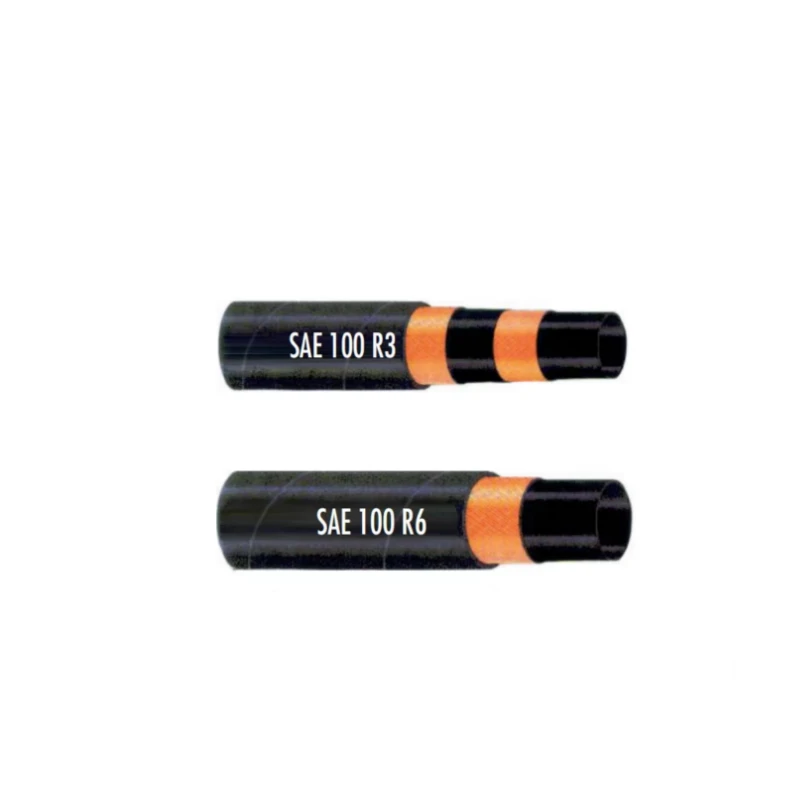
Textile Braid Reinforced Hydraulic Hose SAE100 R3+R6
NewsSep.03,2024
Textile Reinforced Hydraulic oil Suction Hose with embedded Steel Wire SAE 100 R4
NewsSep.03,2024
Single Wire Braid and Textile Covered Hydraulic Hose SAE 100 R5
NewsSep.03,2024
High Pressure Thermoplastic Hydraulic Hose SAE 100 R7 / EN855 R7 - SAE 100 R8 / EN855 R8
NewsSep.03,2024
Heavy Duty Four-layer Steel Wire Spiral Reinforced Hydraulic Hose SAE100R9+R10+R12
NewsSep.03,2024
Heavy Duty Multi-layer Steel Wire Reinforced Hydraulic Hose SAE100R13 SAE100R15
NewsSep.03,2024
Latest Products
-
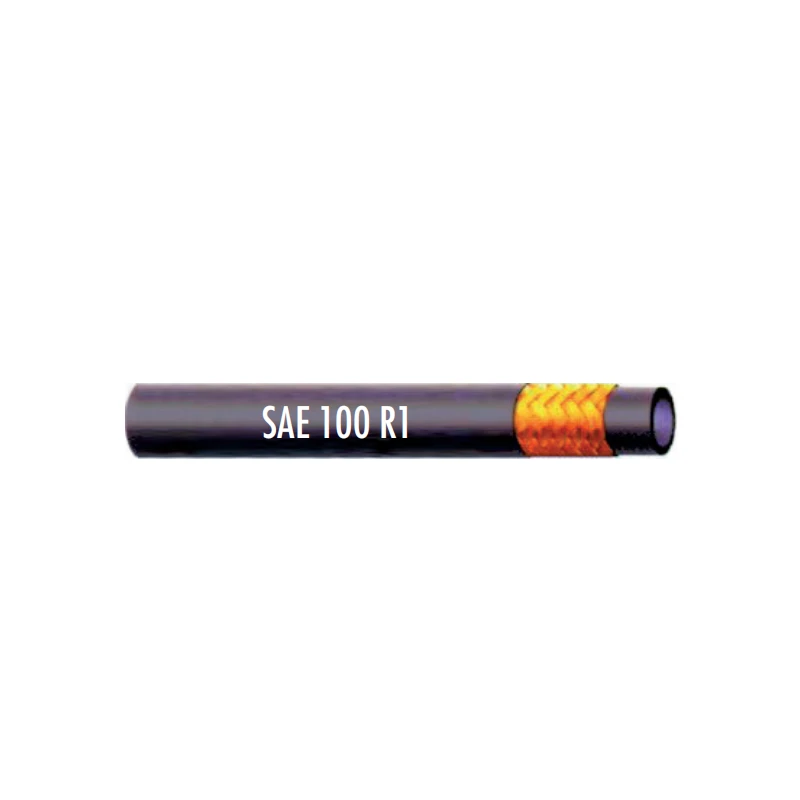
Steel Wire Reinforced Hydraulic Hose SAE 100 R1 / EN853 1SN S
-
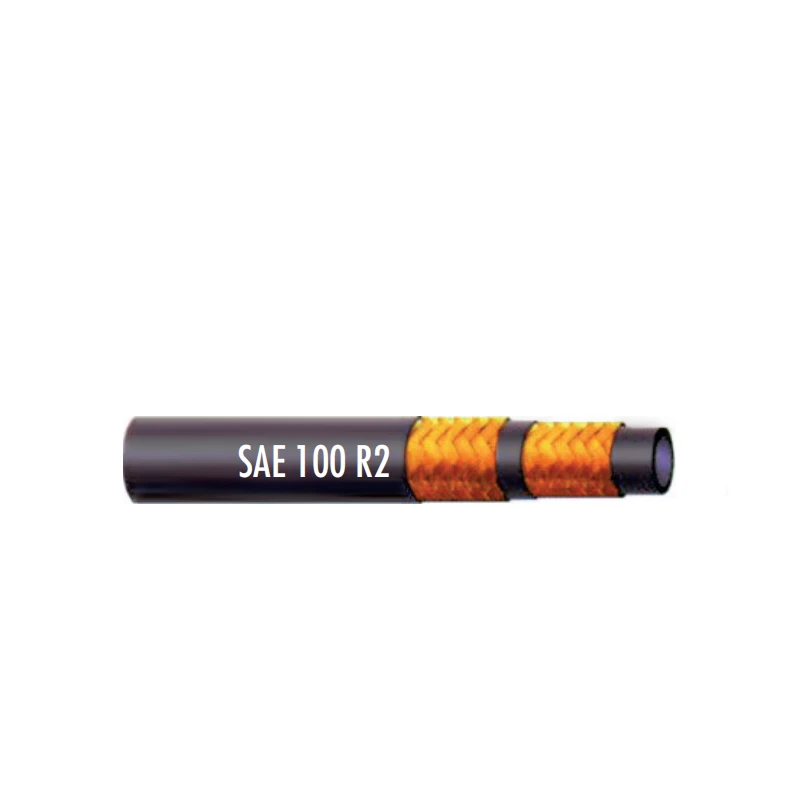
Two Layers Steel Wire Reinforced Hydraulic Hose SAE 100 R2 / EN853 2SN
-
-
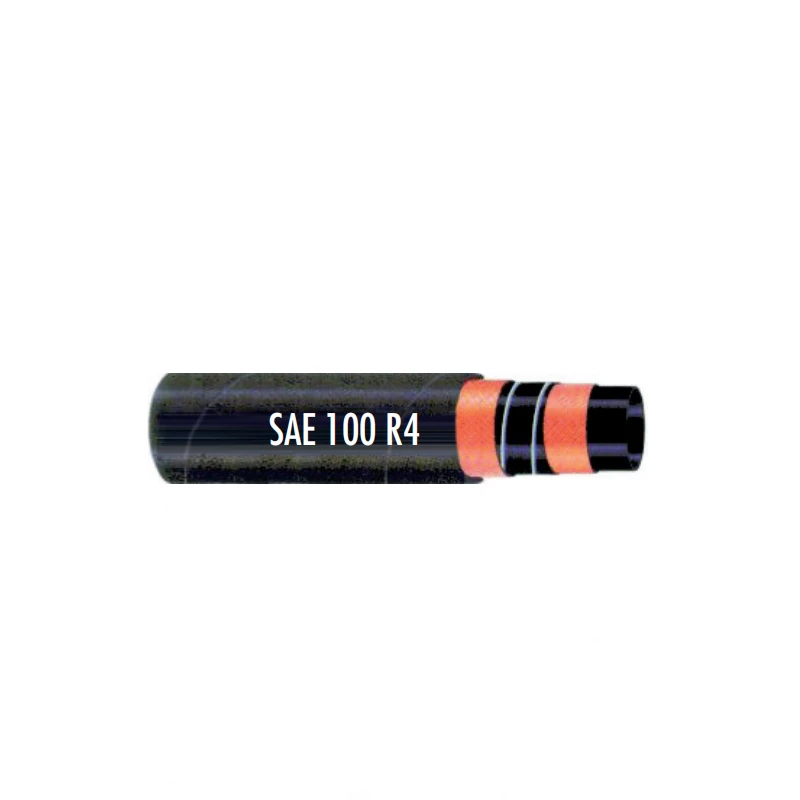
Textile Reinforced Hydraulic oil Suction Hose with embedded Steel Wire SAE 100 R4
-
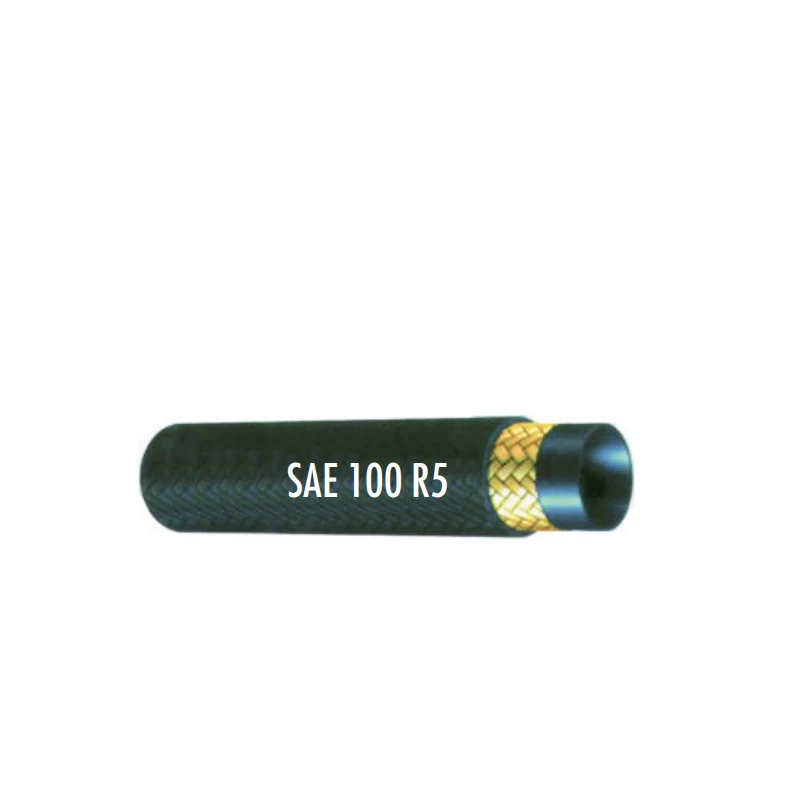
Single Wire Braid and Textile Covered Hydraulic Hose SAE 100 R5
-
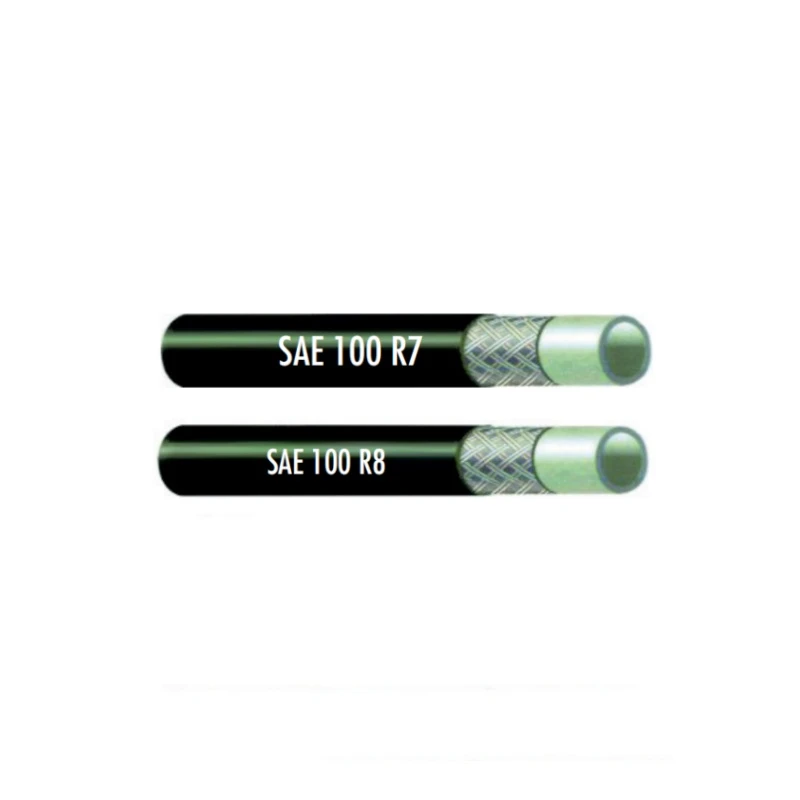
High Pressure Thermoplastic Hydraulic Hose SAE 100 R7 / EN855 R7 - SAE 100 R8 / EN855 R8
-
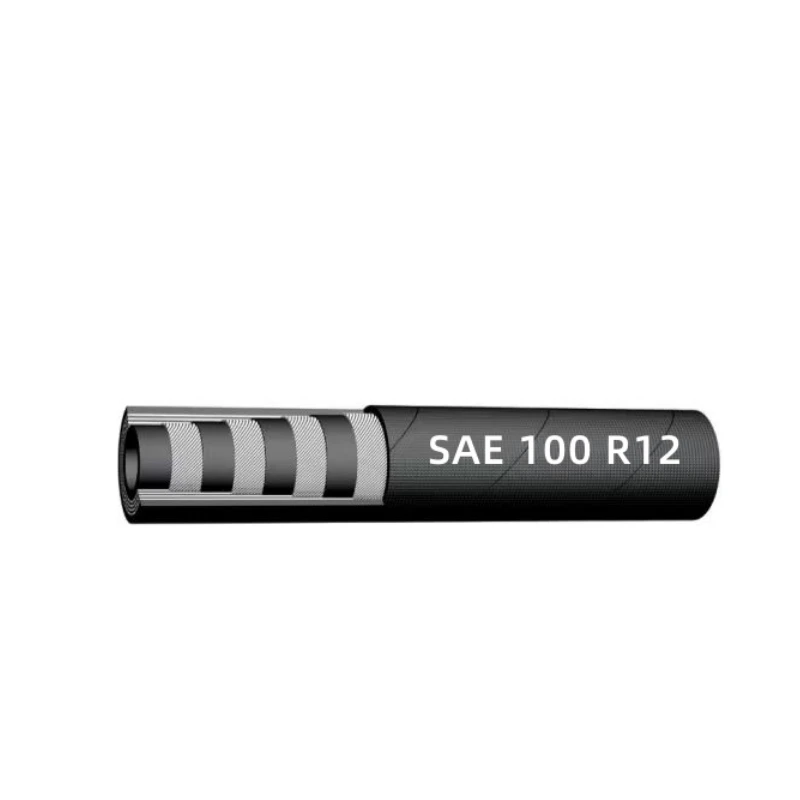
Heavy Duty Four-layer Steel Wire Spiral Reinforced Hydraulic Hose SAE100R9+R10+R12
-
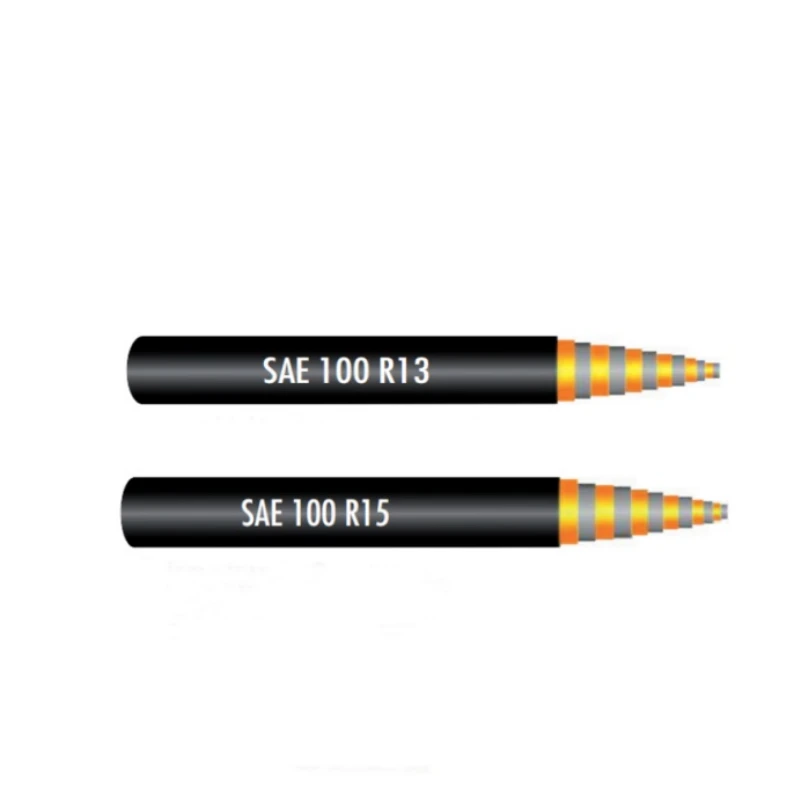
Heavy Duty Multi-layer Steel Wire Reinforced Hydraulic Hose SAE100R13 SAE100R15


